Emotional Compartmentalization: Signs, Causes, and How to Heal
Emotional Compartmentalization: When a Helpful Survival Skill Becomes an Emotional Floodgate
Most people have engaged in emotional compartmentalization at some point in their lives. A parent may set aside their own distress to care for an ill child. A nurse may continue working through a difficult shift despite receiving upsetting personal news. A police officer may respond professionally to a traumatic scene and only begin processing the emotional impact much later.
Although compartmentalization is sometimes portrayed as unhealthy, psychological research suggests it can be an adaptive coping strategy that allows individuals to function effectively under stressful conditions (Showers & Zeigler-Hill, 2007). In many circumstances, it is not only helpful but psychologically necessary.
Problems tend to arise when painful emotional experiences remain compartmentalized for years or decades without opportunities for processing and integration. This dynamic is particularly relevant in trauma therapy and Internal Family Systems (IFS) work, where individuals may experience emotional flooding as previously isolated emotional burdens finally have an opportunity to be heard.
What Is Emotional Compartmentalization?
Emotional compartmentalization refers to the ability to separate thoughts, feelings, memories, or experiences from immediate conscious awareness in order to maintain focus on current responsibilities.
Rather than fully experiencing every emotional reaction in the moment, the mind temporarily places certain feelings “on hold” while attending to more urgent demands.
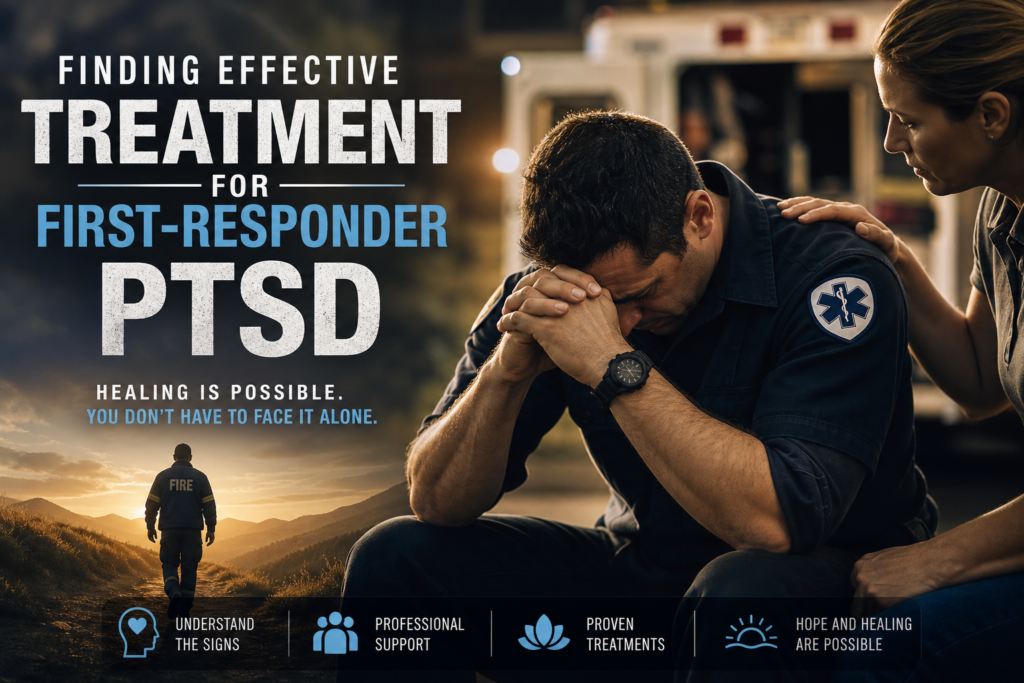
Imagine a firefighter responding to a serious accident. If they became completely immersed in fear, grief, or horror while attempting a rescue, their ability to perform effectively could be compromised. Instead, the nervous system prioritizes action. The emotional response is not eliminated—it is postponed.
From an evolutionary perspective, this makes sense. Human beings developed psychological mechanisms that support survival during periods of danger and stress. Compartmentalization is one of those mechanisms.
The key point is that compartmentalization does not mean emotions disappear. It simply means they are stored outside immediate awareness until the individual has sufficient safety, resources, or capacity to address them.
Why Compartmentalization Can Be Helpful & Even Necessary
Many people assume psychological health means remaining fully connected to every feeling at every moment. In reality, that would often make effective functioning impossible.
Adaptive compartmentalization allows people to:
* Focus during emergencies.
* Complete important responsibilities.
* Protect vulnerable family members.
* Maintain professional performance under pressure.
* Continue functioning during periods of crisis.
* Delay emotional processing until a safer time.
This is especially true for first responders, military personnel, healthcare professionals, and others who regularly encounter situations involving trauma, suffering, injury, or death.
Research examining first responders has found that emotion regulation strategies play an important role in psychological resilience and occupational functioning (Kshtriya et al., 2022). In many high-stress professions, the ability to temporarily set aside emotional reactions can be essential for effective performance.
In these circumstances, compartmentalization is not evidence of dysfunction. It is evidence of adaptation.
Healthy compartmentalization essentially says, “I cannot fully deal with this right now, but I will come back to it later.”
When Helpful Adaptations Become Long-Term Patterns
While compartmentalization can be highly effective in the short term, long-term reliance on this strategy can create challenges.
Individuals who have experienced chronic stress, childhood adversity, traumatic experiences, caregiving burdens, or years of demanding professional responsibilities often develop highly sophisticated internal systems designed to keep painful emotions separate from everyday awareness.
These systems frequently work remarkably well.
People build successful careers. They raise families. They support others. They become leaders in their communities.
Yet beneath the surface, unresolved emotional experiences may remain largely untouched.
Research on compartmentalization suggests that keeping positive and negative self-experiences separated can provide temporary stability but may also contribute to increased vulnerability when stressful experiences activate those isolated emotional states (Showers & Zeigler-Hill, 2007; Thomas et al., 2013).
Over time, the emotional material that has been compartmentalized does not disappear. It simply waits.
Understanding Exiles Through an IFS Lens
Internal Family Systems offers a particularly helpful framework for understanding compartmentalization.
According to IFS, painful emotions and experiences are often carried by “exiled” parts of the personality. These parts may hold feelings such as:
* Shame
* Fear
* Loneliness
* Grief
* Rejection
* Helplessness
* Worthlessness
Other parts of the system work hard to keep these emotional burdens out of awareness so the individual can continue functioning.
Importantly, the creation of exiles should not be viewed as evidence that something has gone wrong.
In many ways, exile formation represents the mind doing exactly what it was designed to do.
When emotional experiences exceed a person’s ability to cope, the system often organizes itself in a way that allows daily life to continue. Some parts carry the pain while others focus on achievement, caregiving, protection, responsibility, or productivity.
Without these adaptations, many people would not have been able to survive difficult childhoods, traumatic experiences, or years of overwhelming responsibility.
From this perspective, exiles are not signs of weakness.
They are signs of resilience.
Why Emotional Flooding Occurs During IFS Work
One of the most common experiences in trauma-focused therapy is emotional flooding.
Individuals who have appeared highly functional for years may suddenly experience overwhelming emotions once deeper therapeutic work begins.
Flooding can include:
* Intense sadness
* Powerful grief
* Shame
* Fear or panic
* Emotional overwhelm
* Physical sensations associated with emotional activation
* Rapid shifts in mood or emotional state
This experience can be alarming.
Many people worry that therapy is making them worse.
However, emotional flooding often reflects something very different.
When protectors begin to trust the therapeutic process, exiled parts may finally believe it is safe to share what they have been carrying. For some individuals, these parts have been waiting years—or even decades—for an opportunity to be heard.
Imagine a group of people who have been waiting outside a locked door for many years. When the door finally opens, everyone may try to enter at once.
The intensity is not necessarily new. Rather, the emotions are becoming accessible for the first time.
Reducing Emotional Flooding During Healing
While emotional flooding can be a normal part of trauma recovery, it is generally not the goal of therapy.
Effective trauma treatment aims to help individuals remain connected to difficult emotions without becoming overwhelmed by them.
Several approaches can help.
Respect Protective Parts
Protective parts often receive criticism for interfering with therapy.
In reality, they are usually attempting to prevent emotional overwhelm.
Developing curiosity toward protective parts rather than fighting them often leads to greater internal cooperation and stability. A skilled therapist will always attend to protective parts whenever concerns are raised in order to safely clear space to heal exiled parts.
Create Distance From Emotional States
One of the core principles of IFS involves helping individuals differentiate between themselves and their parts.
Rather than saying:
“I am terrified.”
It can be helpful to say:
“A part of me feels terrified.”
This small shift encourages greater Self-leadership and reduces emotional blending.
Strengthen Grounding Skills
Grounding techniques help maintain connection to the present moment during emotional activation.
Examples include:
* Controlled breathing
* Physical movement
* Sensory awareness exercises
* Orienting to the environment
* Mindful observation
Grounding helps keep the nervous system within a manageable range of activation while difficult emotions are explored.
Slow Down the Process
Trauma recovery is rarely a race.
Many individuals benefit from approaching painful experiences gradually rather than attempting to process everything at once.
The nervous system often heals more effectively through consistent, manageable exposure than through overwhelming emotional activation.
Build Internal Capacity
The stronger a person’s ability to regulate emotions, practice self-compassion, and maintain internal connection, the less likely they are to become flooded when painful material emerges.
Developing capacity often becomes just as important as processing trauma itself.
A More Compassionate Perspective
Many people discover exiled parts and immediately begin judging themselves.
They wonder why they are still carrying grief, shame, fear, or pain after so many years or why they have locked those emotions away.
A more helpful perspective is to remember that these emotional burdens survived because they served an important purpose.
Compartmentalization allowed life to continue.
Protectors kept the system functioning.
Exiles carried experiences that felt too overwhelming at the time.
These adaptations were not failures.
They were intelligent survival responses.
The goal of therapy is not to eliminate parts, criticize past coping strategies, or force emotional exposure. The goal is to help previously isolated experiences become integrated into a larger sense of self where they no longer need to remain hidden.
When emotional flooding occurs during IFS work, it may be helpful to remember that the system is not necessarily breaking down.
It may simply be communicating that parts who have waited a very long time are finally beginning to trust that someone is listening.
Seeking Support for Trauma, Emotional Flooding, and IFS Work
If you find yourself struggling with emotional flooding, unresolved trauma, dissociation, or overwhelming emotional reactions during therapy, you do not have to navigate the process alone. Working with a therapist who understands trauma, Internal Family Systems, emotional regulation, and the role of protective parts can help create the safety and pacing necessary for meaningful healing.
Healing does not require tearing down the walls that once protected you. Instead, it involves understanding why those walls were built, appreciating the role they served, and gradually helping all parts of your system feel safe enough to reconnect.
Contact us today to learn how trauma-informed therapy and IFS-informed treatment can help you move toward greater emotional balance, self-understanding, and lasting healing.
References
Kshtriya, S., Lawrence, J., Kobezak, H. M., Popok, P. J., & Lowe, S. (2022). Investigating strategies of emotion regulation as mediators of occupational stressors and mental health outcomes in first responders. International Journal of Environmental Research and Public Health, 19(12), 7009.
Showers, C. J., & Zeigler-Hill, V. (2007). Compartmentalization and integration: The evaluative organization of contextualized selves. Journal of Personality, 75(6), 1181–1204.
Thomas, J. S., Ditzfeld, C. P., & Showers, C. J. (2013). Compartmentalization: A window on the defensive self. Social and Personality Psychology Compass, 7(10), 719–731.
Prepared by Dr. Jennifer Barbera, PhD, Registered Psychologist
Dr. Jennifer Barbera PhD, C. Psych is a licensed psychologist with over 25 years of counselling experience. She has extensive clinical expertise supporting individuals and couples with anxiety, trauma, depression, addiction, and relationship challenges. Her work combines evidence-based approaches with practical strategies to help clients build resilience and improve well-being.