How to Tell PTSD From Moral Injury: Key Differences
Moral injury explained: how it differs from traditional PTSD, why police and first responders are at risk, and how therapy approaches like ACT and IFS support healing.
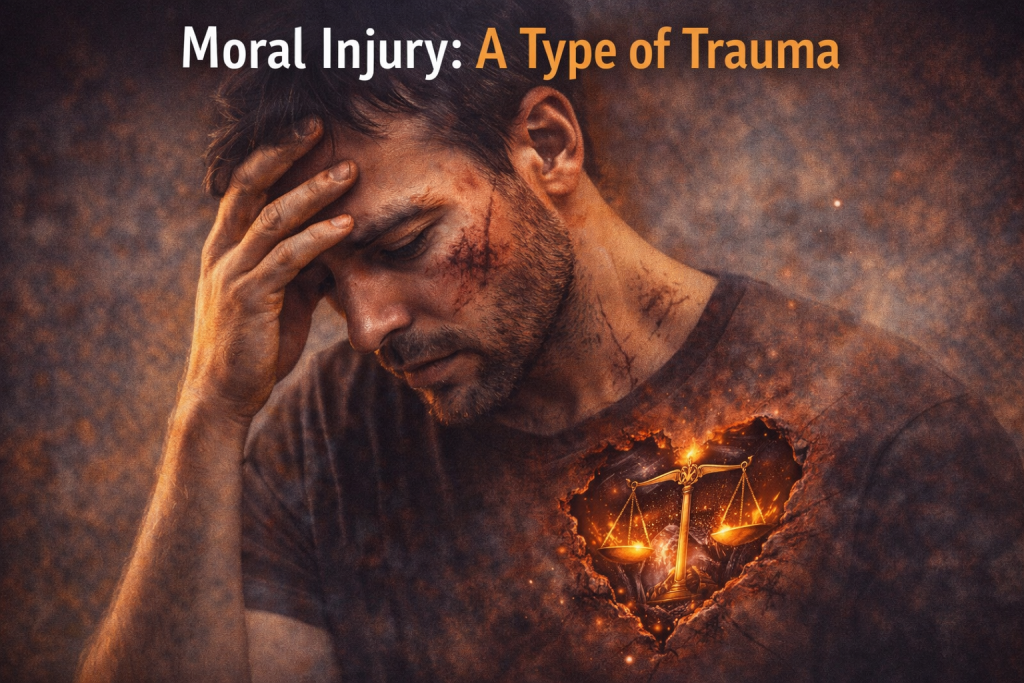
Moral injury is increasingly recognized as a distinct and deeply impactful form of psychological injury, particularly among police officers, first responders, military personnel, healthcare workers, and others who work in high-stakes systems.
While moral injury is often confused with PTSD, moral injury is not primarily a fear-based condition. Instead, it arises when a person is forced to act against, witness the violation of, or feel betrayed in relation to their deeply held moral values.
Search interest in moral injury in police, moral injury vs PTSD, and how to heal moral injury has grown rapidly as professionals and clinicians recognize that many forms of distress do not respond fully to traditional trauma treatments. Understanding moral injury is essential for effective healing.
What Is Moral Injury?
Moral injury occurs when someone experiences a profound rupture in their sense of right and wrong due to actions they took, failed to take, or were ordered or pressured to take. It can also arise from witnessing harm and being unable to prevent it, or from feeling betrayed by leaders, institutions, or systems that were supposed to uphold ethical standards.
Unlike PTSD, moral injury is not defined by threat to life or physical safety. Instead, it centres on guilt, shame, disgust, anger, grief, and a sense of moral disorientation. People often describe it as “losing who I thought I was” or “no longer trusting myself or the system.”
Common experiences associated with moral injury include:
• Persistent guilt or shame that does not lessen with reassurance
• Harsh self-judgment or moral self-condemnation
• Loss of meaning, purpose, or identity
• Anger toward institutions, leadership, or society
• Emotional numbing paired with strong moral emotions
• Withdrawal from relationships or community
Moral Injury vs PTSD: Key Differences
While moral injury and PTSD can co-occur, they are not the same condition, and confusing them can lead to incomplete treatment.
PTSD is primarily a fear-based nervous system injury. It is driven by threat, helplessness, and survival responses such as hypervigilance, avoidance, flashbacks, and physiological reactivity. The core question in PTSD is often: “Am I safe?”
Moral injury is values-based. It is driven by violations of conscience, identity, and meaning. The core questions are: “What kind of person am I?” and “Can I live with this?” and “what kind of world is this?”
In PTSD, the nervous system is stuck in danger mode. In moral injury, the moral compass itself has been injured. This is why approaches that focus solely on fear extinction or exposure may leave shame, guilt, and self-condemnation untouched.
Jobs at High Risk of Moral Injury
Certain professions carry a significantly higher risk of moral injury because they involve repeated exposure to ethical dilemmas, systemic constraints, and human suffering.
Police Officers
Police work is one of the highest-risk professions for moral injury. Officers are routinely placed in situations where there is no morally “clean” option. They may be required to enforce laws that conflict with their personal values, make split-second decisions with irreversible consequences, or follow directives that prioritize policy over humanity.
Common sources of moral injury in policing include:
• Using force in situations where all outcomes feel wrong
• Being unable to protect vulnerable individuals due to legal or systemic limits
• Enforcing laws that disproportionately harm marginalized groups
• Witnessing repeated trauma without the ability to meaningfully intervene
• Feeling betrayed by leadership, the justice system, or public narratives
Over time, this can lead to deep moral disillusionment rather than fear-based trauma alone.
Other High-Risk Professions
Moral injury is also common among:
• Military personnel and veterans
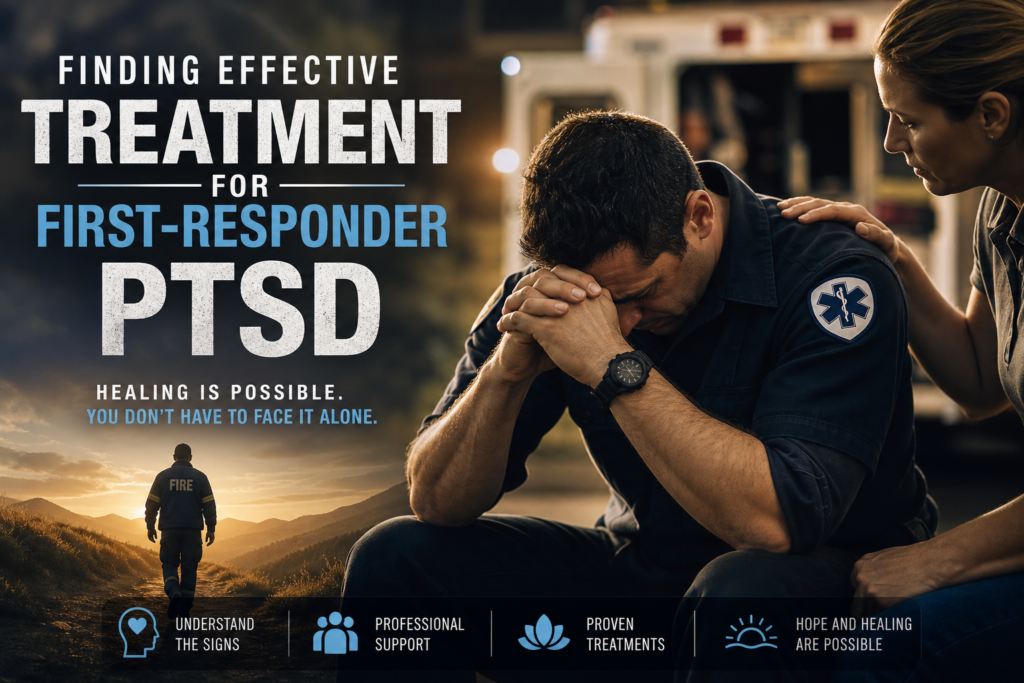
• Paramedics, firefighters, and emergency responders
• Healthcare workers, especially during crises or resource scarcity
• Child protection workers and social services professionals
• Corrections officers
• Journalists exposed to human suffering or injustice
Any role that forces individuals to repeatedly choose between competing harms, or operate within systems that violate personal values, carries moral injury risk.
Why Moral Injury Is So Hard to Heal
Moral injury is resistant to quick fixes because it attacks identity, not just symptoms. Many people with moral injury have already tried self-forgiveness, rational explanations, or reassurance, only to feel unchanged or even worse.
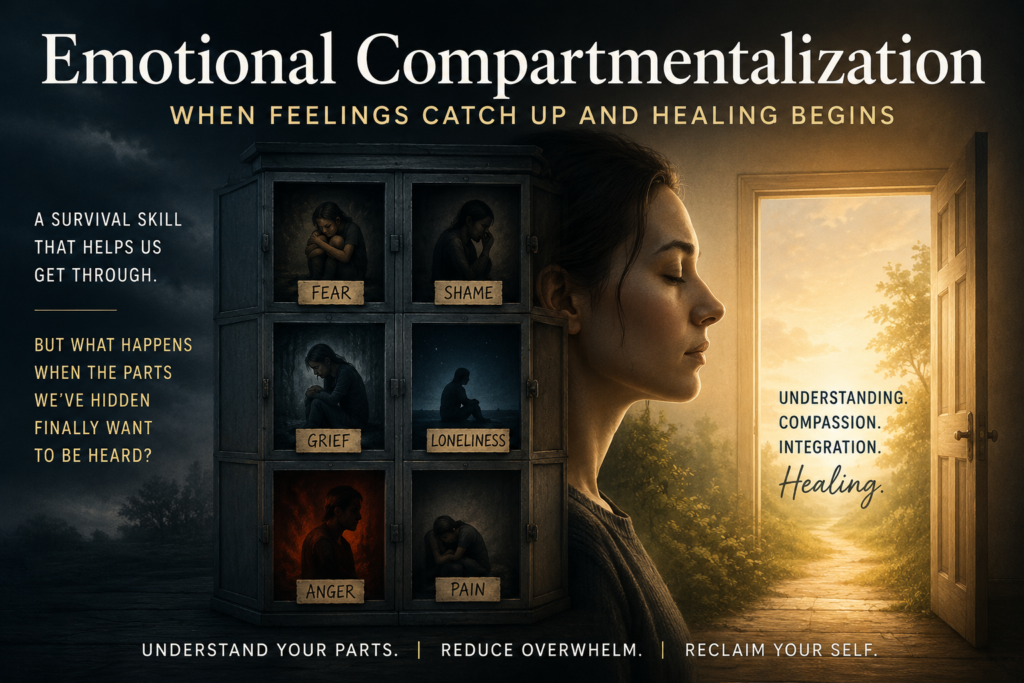
The inner experience often includes parts of the self that act as relentless moral prosecutors, insisting that punishment, withdrawal, or emotional numbing is necessary to prevent future harm. These protective strategies may reduce immediate pain, but they also block healing and connection.
Effective therapy must address both the nervous system and the moral meaning system.
Healing Moral Injury in Therapy
Acceptance and Commitment Therapy (ACT)
ACT is particularly well-suited for moral injury because it does not attempt to erase pain or argue away guilt. Instead, it helps clients change their relationship to painful moral emotions while reconnecting with values in a grounded, humane way.
In moral injury work, ACT focuses on:
• Differentiating responsibility from self-condemnation
• Making space for guilt and grief without letting them define identity
• Clarifying values that still matter, even after moral pain
• Committing to value-based action without requiring moral perfection
ACT helps answer the question: “How do I live a meaningful life while carrying moral pain?”
Internal Family Systems (IFS)
IFS offers a powerful framework for moral injury because it understands harsh self-judgment as a protective response rather than a flaw.
In IFS, moral injury is often held by:
• Exiled parts carrying shame, grief, or horror
• Manager parts that enforce rigid moral standards
• Firefighter parts that numb, withdraw, or suppress
IFS therapy helps clients unblend from these parts and access a compassionate, grounded Self that can witness what happened without collapsing into judgment or avoidance. Healing occurs not through letting go of previously necessary actions, but through understanding context, intention, limits, and humanity.
IFS allows moral repair by restoring internal trust and integrity.
Moral Repair, Not Moral Erasure
Healing moral injury does not mean forgetting, excusing, or minimizing what happened. It means integrating the experience in a way that restores dignity, responsibility, and connection.
Effective therapy supports:
• Grieving what was lost
• Acknowledging harm without totalizing shame
• Reclaiming values in realistic, human ways
• Rebuilding identity beyond a single moment or role
Why Moral Injury Awareness Matters
When moral injury is mislabelled as burnout, depression, or standard PTSD, people often feel misunderstood and alone. For police officers and other high-risk professionals, this can increase isolation, cynicism, and disengagement from help.
Recognizing moral injury allows for targeted, respectful, and effective treatment that honours both the pain and the values at stake.
Moral injury is not a weakness. It is evidence of a conscience operating under impossible conditions. Healing begins when we stop asking people to “get over it” and start helping them repair what was morally fractured.
If you or a loved one are suffering from the effects of moral injury, we invite you to contact us for support.
References:
Knobloch LK, Owens JL. Moral injury among first responders: Experience, effects, and advice in their own words. Psychol Serv. 2024 Aug;21(3):500-508.
Litz, B. T., Stein, N., Delaney, E., Lebowitz, L., Nash, W. P., Silva, C., & Maguen, S. (2009). Moral injury and moral repair in war veterans: A preliminary model and intervention strategy. Clinical Psychology Review, 29(8), 695–706.
Rimon A, Shelef L. Moral Injury Among Medical Personnel and First Responders Across Different Healthcare and Emergency Response Settings: A Narrative Review. Int J Environ Res Public Health. 2025 Jun 30;22(7):1055.
Prepared by Dr. Jennifer Barbera, PhD, Registered Psychologist
Dr. Jennifer Barbera PhD, C. Psych is a licensed psychologist with over 25 years of counselling experience. She has extensive clinical expertise supporting individuals and couples with anxiety, trauma, depression, addiction, and relationship challenges. Her work combines evidence-based approaches with practical strategies to help clients build resilience and improve well-being.