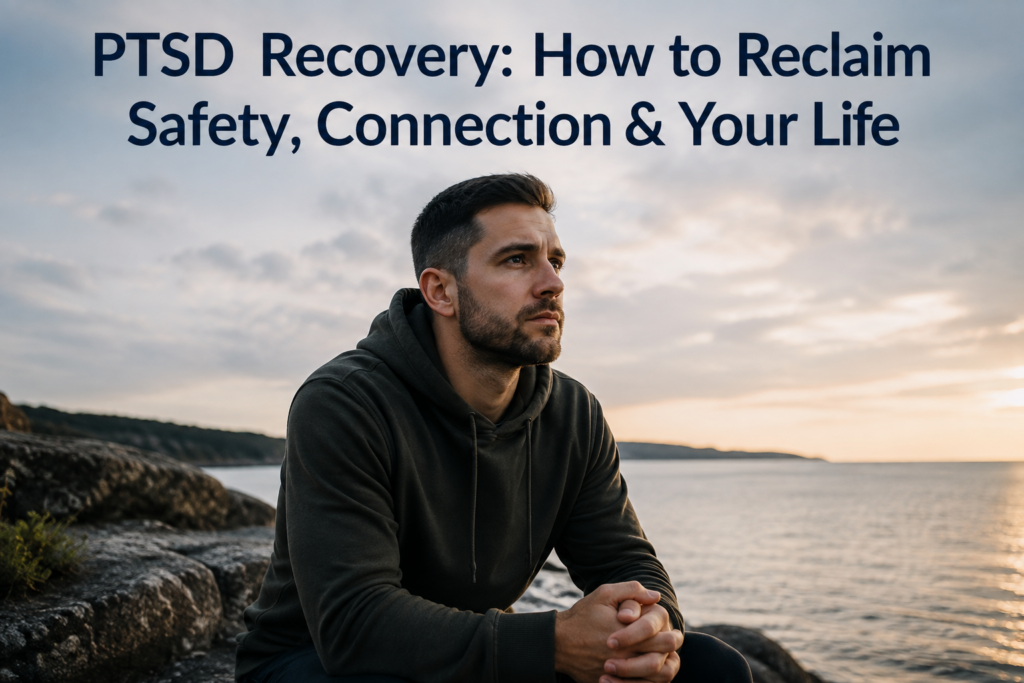
PTSD is not simply “something you need to get over.” It is a trauma-related condition that can change the way your nervous system responds to the world. When an experience…
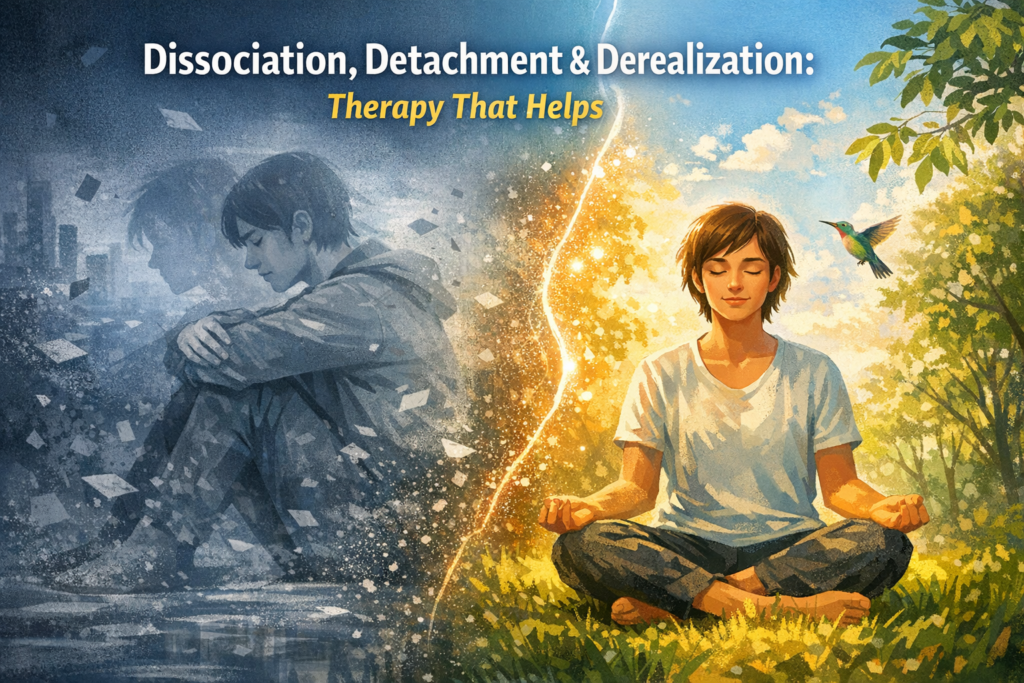
Learn the differences between dissociation, detachment, and derealization, and how ACT therapy, mindfulness, and psychological flexibility can help you reconnect with the present moment. Dissociation, Detachment & Derealization Explained Many…
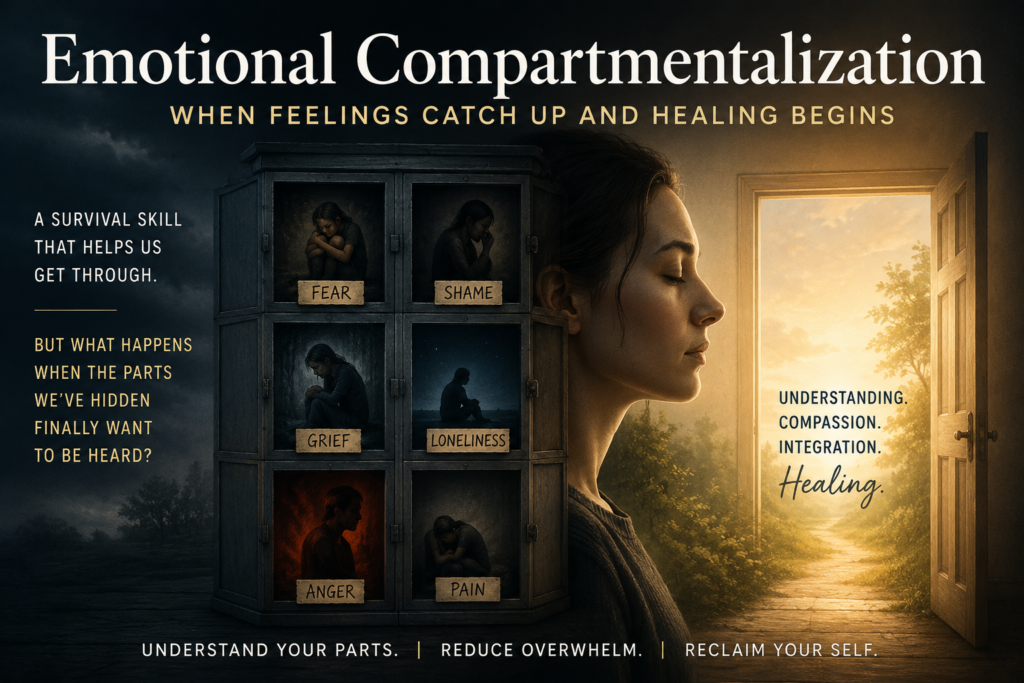
Emotional Compartmentalization: When a Helpful Survival Skill Becomes an Emotional Floodgate Most people have engaged in emotional compartmentalization at some point in their lives. A parent may set aside their…
When people think about trauma, they often imagine a single overwhelming event—a car accident, assault, natural disaster, or medical emergency. While these experiences can certainly lead to post-traumatic stress disorder…
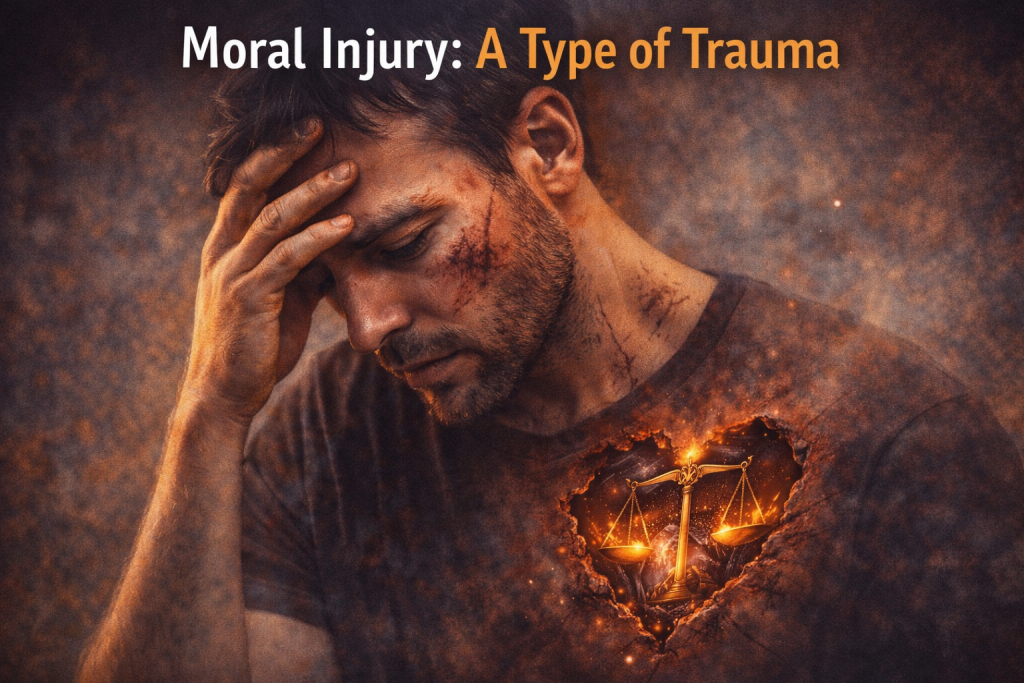
Moral injury explained: how it differs from traditional PTSD, why police and first responders are at risk, and how therapy approaches like ACT and IFS support healing. Moral injury is…
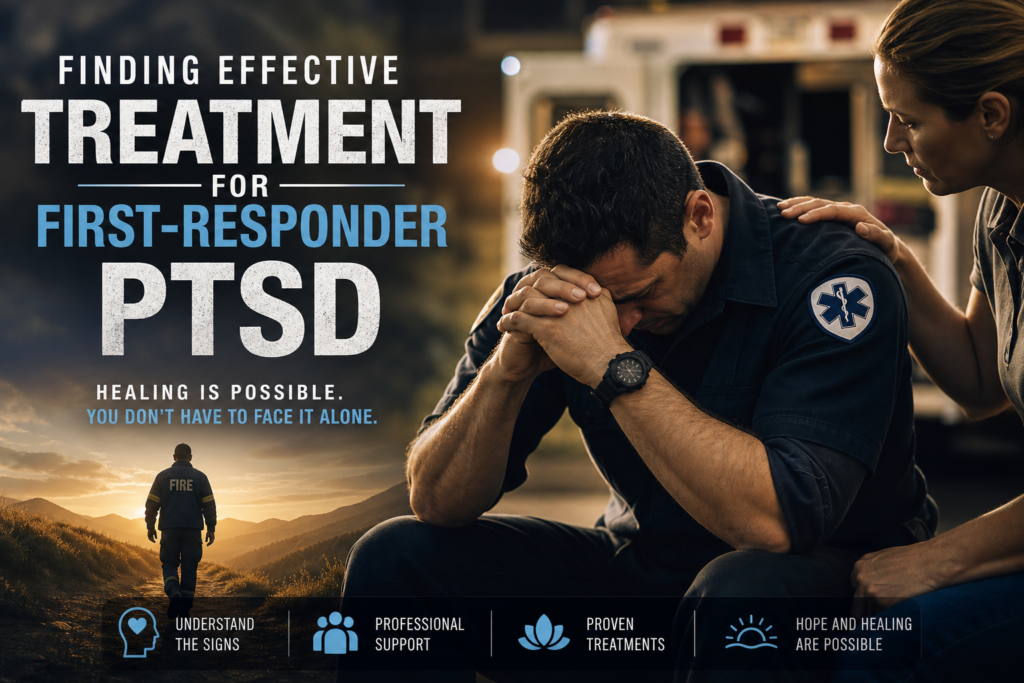
If you’re a first responder struggling after what you’ve seen, heard, or experienced on the job—you’re not alone. And just as important, there’s nothing weak about the way you’re feeling.…
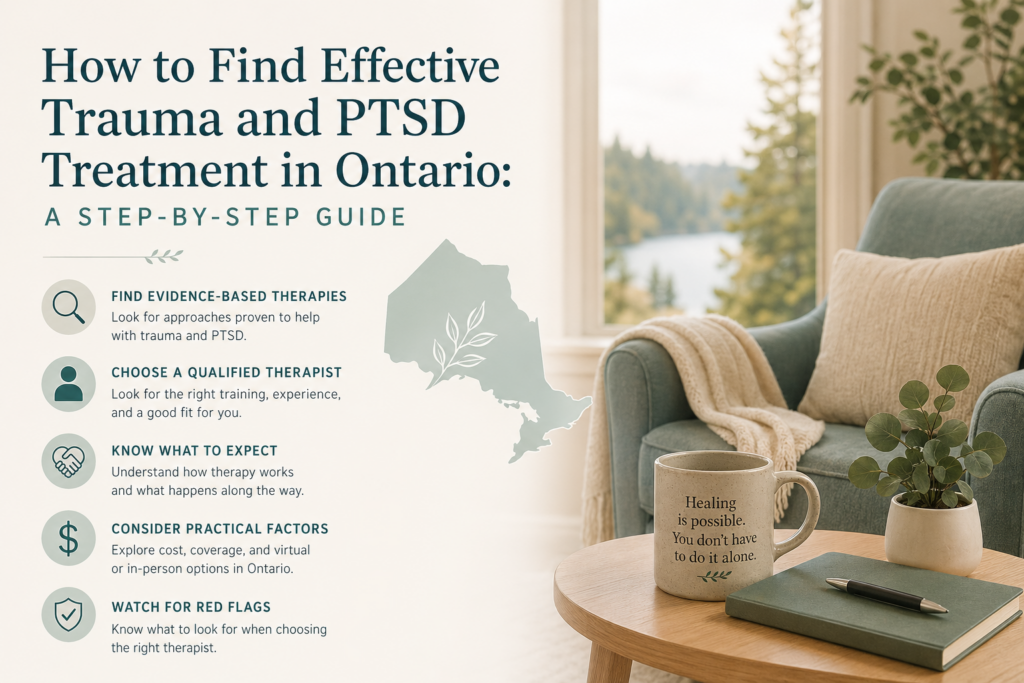
Finding the right help for trauma or post-traumatic stress disorder (PTSD) can feel overwhelming—especially when you’re already dealing with symptoms like anxiety, emotional numbness, sleep disruption, or hypervigilance. In Ontario,…
Trauma does not only create fear or anxiety—it can also lead to the opposite experience: emotional numbness and detachment. Many people living with post-traumatic stress describe feeling cut off from…
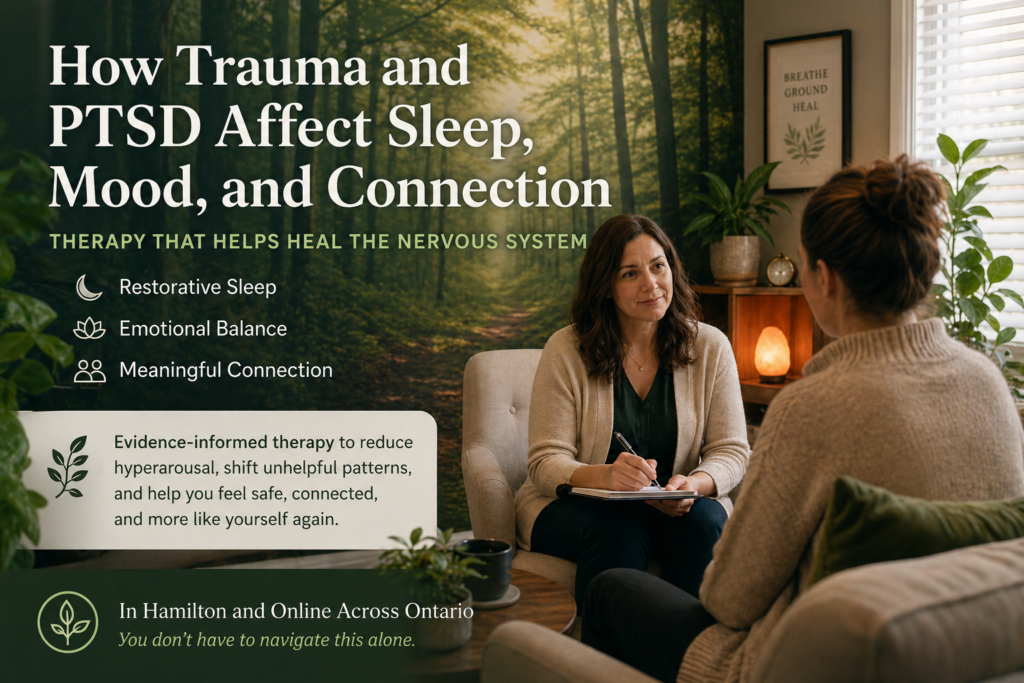
How PTSD Affects Mood and Arousal: Effective Therapy in Ontario Trauma does not simply live in memory—it reshapes how the body, brain, and nervous system function. For many individuals living…
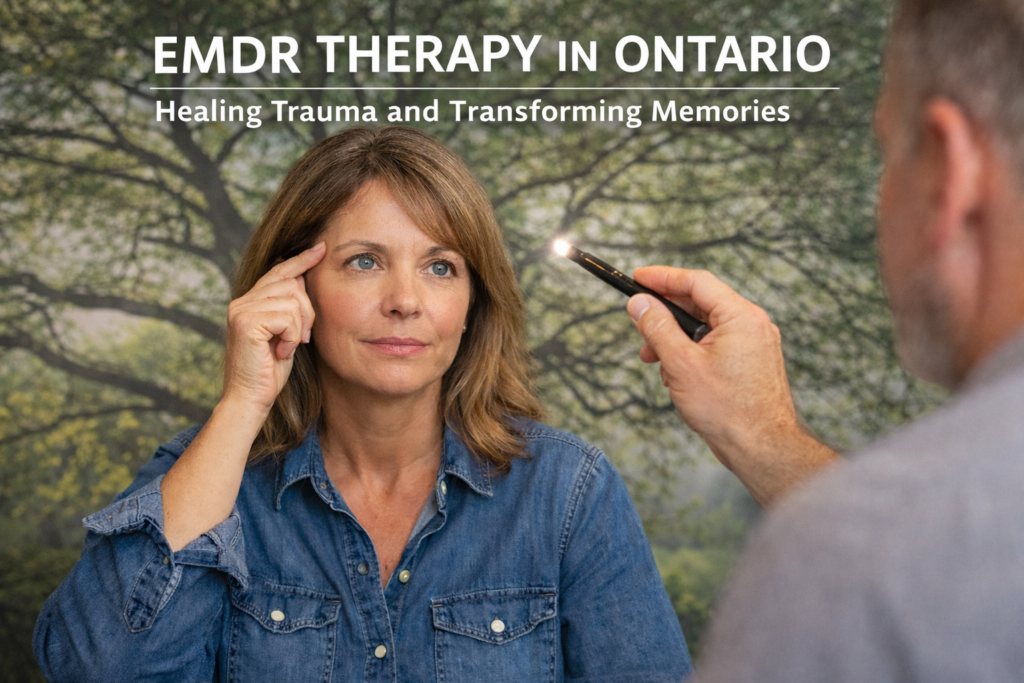
If you are searching for EMDR therapy in Ontario, you are likely looking for more than a general explanation—you want to understand how it actually works and whether it can…