Complex Trauma Therapy in Ontario: How to Find Effective Treatment
When people think about trauma, they often imagine a single overwhelming event—a car accident, assault, natural disaster, or medical emergency. While these experiences can certainly lead to post-traumatic stress disorder (PTSD), many individuals seeking therapy in Ontario have lived through something very different: years of repeated emotional, physical, sexual, relational, or developmental trauma.
This is often referred to as complex trauma or Complex PTSD (CPTSD).
Although trauma awareness has increased significantly in recent years, complex trauma remains one of the most misunderstood and frequently misdiagnosed mental health concerns. Effective treatment requires much more than a basic understanding of PTSD. It requires specialized training, ongoing clinical supervision, and expertise in working with dissociation, emotional dysregulation, self-harm, suicidality, attachment injuries, and deeply entrenched negative beliefs about oneself.
For individuals seeking therapy for complex trauma in Ontario, finding a clinician with appropriate training and supervision is a very important decision in the healing process.
Understanding the Difference Between PTSD and Complex Trauma
Research increasingly supports the distinction between PTSD and Complex PTSD (Cloitre et al., 2019). While both conditions involve exposure to traumatic events, their clinical presentation often differs significantly.
Traditional PTSD is typically characterized by:
* Intrusive memories or flashbacks
* Nightmares
* Avoidance of trauma reminders
* Hypervigilance
* Increased startle response
Complex trauma includes these symptoms but extends far beyond them. Individuals with complex trauma often struggle with what the ICD-11 describes as “disturbances in self-organization” (Cloitre, 2021).
These difficulties commonly include:
* Chronic emotional dysregulation
* Persistent shame and self-criticism
* Difficulties trusting others
* Attachment and relationship problems
* Identity confusion
* Dissociation
* Self-destructive coping behaviours
* Recurrent suicidal thoughts
* Chronic feelings of emptiness or hopelessness
Many clients describe feeling as though trauma has shaped not only what happened to them, but who they believe themselves to be.
Unlike single-incident trauma, complex trauma often develops within relationships that were supposed to provide safety, protection, and connection. Childhood abuse, neglect, emotional invalidation, domestic violence, chronic bullying, and repeated relational betrayals are common examples.
As a result, treatment must address both traumatic memories and the lasting impact trauma has had on personality development, emotional regulation, self-concept, and relationships.
Why Expertise and Clinical Supervision Matter
Complex trauma is not simply “more severe PTSD.”
It requires nuanced assessment and treatment planning.
Clients with complex trauma frequently present with symptoms that overlap with anxiety disorders, depression, obsessive-compulsive disorder, borderline personality disorder, dissociative disorders, substance use concerns, eating disorders, and somatic symptoms.
Without specialized training, clinicians may unintentionally focus on surface-level symptoms while missing the underlying trauma processes driving them.
For this reason, trauma clinicians benefit tremendously from consultation and supervision by psychologists with doctoral-level expertise and extensive experience treating complex trauma presentations.
A PhD-level psychologist with specialized trauma training can provide guidance regarding:
* Differential diagnosis
* Trauma formulation
* Risk assessment
* Dissociation management
* Self-harm intervention
* Suicide risk management
* Complex case conceptualization
* Treatment sequencing
* Ethical decision-making
Complex trauma treatment is rarely linear. Clients may experience periods of increased emotional distress, activation, dissociation, or crisis as therapy progresses. Having access to high-quality supervision helps ensure clinicians remain grounded, thoughtful, and responsive throughout the therapeutic process.
Research consistently demonstrates that therapist competence and adherence to evidence-based approaches significantly influence treatment outcomes.
Addressing Dissociation Safely
One of the most overlooked aspects of complex trauma is dissociation.
Dissociation can occur on a spectrum and may include:
* Feeling detached from oneself
* Emotional numbness
* Memory gaps
* Feeling unreal or disconnected from the environment
* Losing track of time
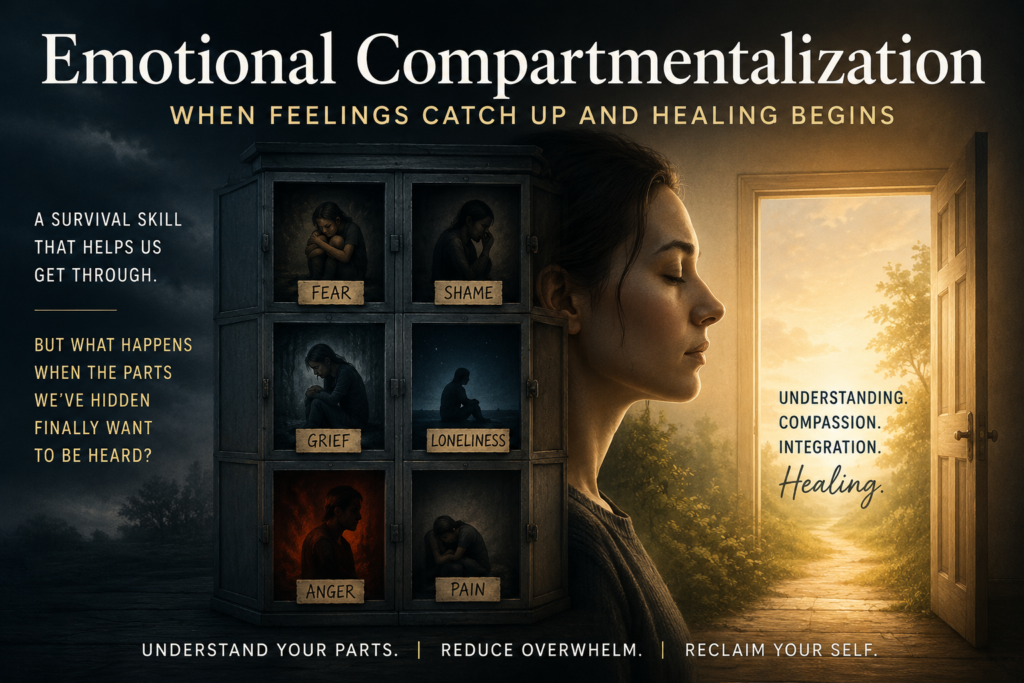
* Internal fragmentation or “parts” experiences
For some clients, dissociation developed as an adaptive survival strategy during overwhelming experiences.
Unfortunately, trauma processing approaches that move too quickly can sometimes increase dissociative symptoms.
Effective treatment often begins with helping clients develop:
* Grounding skills
* Emotional regulation strategies
* Present-moment awareness
* Body-based safety skills
* Internal communication and self-compassion
Only after sufficient stability has been established should deeper trauma processing typically occur.
Managing Self-Harm and Suicidality in Complex Trauma
Complex trauma is associated with elevated rates of self-harm, suicidal ideation, and chronic hopelessness.
Importantly, these experiences are often not simply attempts to die.
Many individuals report that self-harm functions as a way to:
* Regulate overwhelming emotions
* Escape emotional numbness
* Reduce self-directed anger
* Create a temporary sense of control
Similarly, suicidal thoughts may reflect profound emotional pain, despair, or a desire for relief rather than immediate intent.
Effective trauma therapy requires clinicians who are comfortable assessing risk while simultaneously understanding the trauma-related functions of these behaviours.
Clients benefit most when therapists can balance safety planning with compassionate exploration of the underlying emotional experiences driving self-destructive coping.
Evidence-Based Approaches for Complex Trauma
There is no single treatment that works for every person with complex trauma.
Instead, effective care often involves integrating multiple evidence-based approaches.
Cognitive Behavioural Therapy (CBT)
CBT remains one of the most researched trauma treatments available.
For complex trauma, CBT can help clients:
* Challenge trauma-related beliefs
* Reduce shame and self-blame
* Address avoidance patterns
* Develop healthier coping strategies
* Improve emotional regulation
Many survivors carry deeply ingrained beliefs such as:
* “I’m broken.”
* “I’m unlovable.”
* “Everything is my fault.”
CBT provides practical tools for identifying and restructuring these beliefs.
Acceptance and Commitment Therapy (ACT)
ACT has become increasingly valuable in trauma treatment.
Rather than attempting to eliminate painful thoughts and emotions, ACT teaches clients to develop a different relationship with them.
ACT helps individuals:
* Increase psychological flexibility
* Reduce experiential avoidance
* Clarify personal values
* Build meaningful lives despite ongoing emotional pain
For many trauma survivors, this approach reduces the exhausting struggle to suppress difficult memories and emotions.
Internal Family Systems (IFS)
IFS is an experiential approach that has gained substantial interest within trauma treatment.
IFS conceptualises the mind as consisting of different “parts” that developed to help the individual survive difficult experiences.
For example, a client may have:
* A highly self-critical part
* An anxious protector
* A numb or disconnected part
* A wounded child part carrying traumatic memories
Rather than fighting these experiences, IFS encourages curiosity, compassion, and internal healing.
Many clients with complex trauma find this framework particularly helpful because it reduces shame and creates a more compassionate understanding of their internal experiences.
Eye Movement Desensitisation and Reprocessing (EMDR)
EMDR is one of the most well-known trauma treatments available.
When used appropriately, EMDR can help individuals process traumatic memories that continue to feel emotionally unresolved.
For complex trauma, however, EMDR often requires careful preparation and pacing.
Clinicians experienced in complex trauma understand that stabilization, emotional regulation, and dissociation management frequently need to occur before intensive trauma reprocessing begins.
Finding An Effective Complex Trauma Therapist in Ontario
If you are seeking therapy for complex trauma in Ontario, consider asking potential therapists about:
* Their training in trauma treatment
* Experience working with complex trauma specifically
* Experience treating dissociation
* Approach to self-harm and suicide risk
* Use of evidence-based therapies
* Access to specialized consultation or supervision
* Training in EMDR, IFS, CBT, ACT, or other trauma-focused modalities
The therapeutic relationship itself is often one of the most important healing factors. Complex trauma develops within relationships, and recovery frequently occurs through safe, consistent, and trustworthy therapeutic relationships.
A Better Way Forward
Complex trauma affects far more than memories. It can shape emotional regulation, identity, relationships, self-worth, and the way individuals experience the world.
Fortunately, healing is possible.
With specialized treatment, evidence-based interventions, and clinicians who understand the unique challenges of complex trauma, individuals can move beyond survival and begin building lives characterized by safety, connection, resilience, and meaning.
Choosing a therapist with appropriate trauma expertise—and ideally one supported through ongoing consultation or supervision by an experienced doctoral-level psychologist—can significantly improve the quality and effectiveness of care. For many individuals, that level of specialized support becomes an essential foundation for long-term recovery.
To learn more about our experienced services for complex trauma CONTACT US today.
References
Cloitre, M. (2021). Complex PTSD: Assessment and treatment. European Journal of Psychotraumatology, 12(Suppl. 1), 1866423. https://doi.org/10.1080/20008198.2020.1866423
Cloitre, M., Shevlin, M., Brewin, C. R., Bisson, J. I., Roberts, N. P., Maercker, A., & Hyland, P. (2018). The International Trauma Questionnaire: Development of a self-report measure of ICD-11 PTSD and complex PTSD. Acta Psychiatrica Scandinavica, 138(6), 536–546. https://doi.org/10.1111/acps.12956
Cloitre, M., Hyland, P., Bisson, J. I., Brewin, C. R., Roberts, N. P., Karatzias, T., & Shevlin, M. (2019). ICD-11 posttraumatic stress disorder and complex posttraumatic stress disorder in the United States: A population-based study. Journal of Traumatic Stress, 32(6), 833–842. https://doi.org/10.1002/jts.22454
Prepared by Dr. Jennifer Barbera, PhD, Registered Psychologist
Dr. Jennifer Barbera PhD, C. Psych is a licensed psychologist with over 25 years of counselling experience. She has extensive clinical expertise supporting individuals and couples with anxiety, trauma, depression, addiction, and relationship challenges. Her work combines evidence-based approaches with practical strategies to help clients build resilience and improve well-being.