What Really Predicts Well-Being and Happiness?
The Harvard Study of Adult Development: What 85 Years of Research Reveals About Happiness, Mental Health, and Living Well
What if the secret to a happier, healthier life wasn’t found in wealth, achievement, intelligence, or even good genes—but in the quality of your relationships?
For decades, psychologists have searched for the ingredients of a meaningful life. While countless books promise happiness through success, productivity, or positive thinking, one of the most compelling answers comes from an extraordinary piece of research that has been quietly unfolding for more than 85 years.
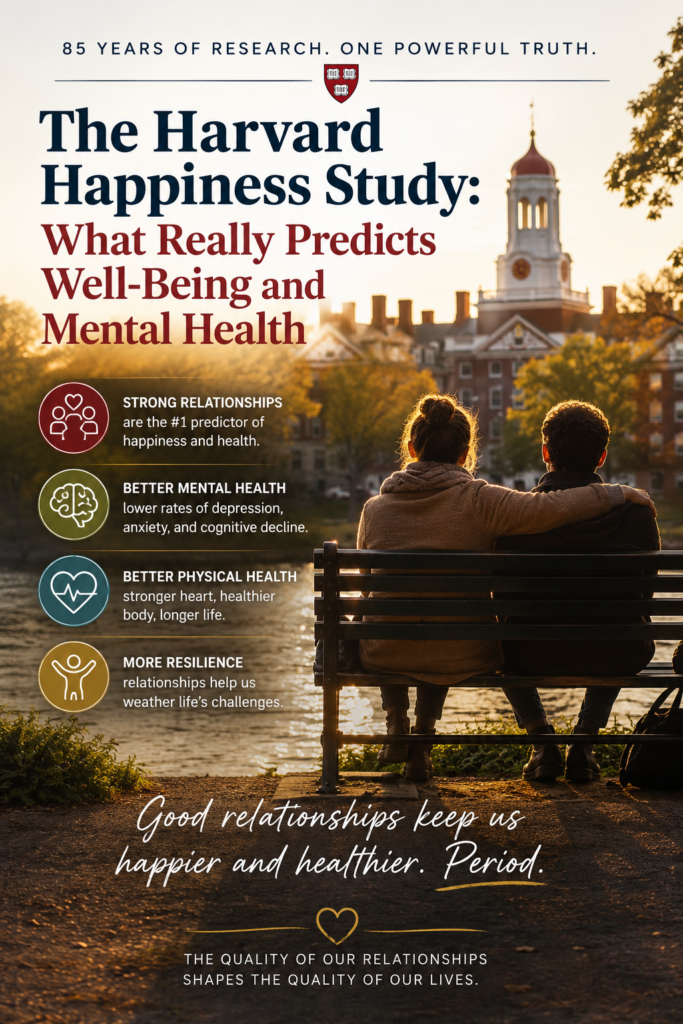
The Harvard Study of Adult Development is the longest-running scientific study of human happiness and flourishing ever conducted. Its findings have profoundly shaped our understanding of mental health, emotional well-being, and what truly allows people to thrive across the lifespan.
Perhaps its most famous conclusion is surprisingly simple:
Good relationships keep us happier and healthier. Period.
While deceptively straightforward, this insight carries profound implications—not only for our relationships with others but also for our relationship with ourselves.
An Unprecedented Window Into Human Life
The Harvard Study of Adult Development began in 1938 by following two very different groups of young men.
One group consisted of Harvard University sophomores from privileged backgrounds. The second included boys growing up in some of Boston’s most economically disadvantaged neighbourhoods.
Researchers originally expected the study to last only a few years.
Instead, it has continued for over eight decades, following participants through careers, marriages, parenthood, illness, retirement, and death. Today, researchers are studying not only the original participants but also many of their children.
Throughout the decades, investigators have collected an extraordinary amount of information including:
* Medical examinations
* Brain imaging
* Bloodwork
* Psychological assessments
* Personality testing
* Interviews
* Relationship quality
* Career satisfaction
* Physical health
* Mental health
* Life satisfaction
Few studies have ever captured such a comprehensive picture of what predicts flourishing across an entire lifetime.
The Biggest Surprise
Many people assume happiness comes from accumulating more:
* More money
* More success
* More status
* More possessions
* More accomplishments
While these factors can certainly make life easier, they turned out to be relatively weak predictors of long-term well-being.
Instead, the strongest predictor was something much more human.
The quality of people’s close relationships consistently predicted:
* Greater happiness
* Better physical health
* Lower rates of depression
* Better memory later in life
* Longer lifespan
* Greater resilience during adversity
Remarkably, relationship quality was a stronger predictor of healthy ageing than cholesterol levels or social class.
It’s Not About Having Hundreds of Friends
One common misconception is that happiness requires being highly social.
The Harvard findings suggest otherwise.
What matters isn’t the number of relationships—it is their quality.
One deeply supportive relationship often provides far more protection than dozens of superficial connections.
People who felt emotionally safe with spouses, partners, family members, or close friends tended to weather life’s inevitable stresses much more successfully.
Emotional security appeared to act almost like a psychological immune system.
Loneliness Is More Harmful Than We Often Realize
The study also highlighted another important finding.
Loneliness isn’t simply unpleasant.
It is genuinely harmful.
Chronic loneliness has been associated with:
* Increased anxiety
* Depression
* Sleep difficulties
* Cognitive decline
* Cardiovascular disease
* Earlier mortality
Humans evolved as intensely social creatures. Our nervous systems are designed to regulate through connection.
When meaningful connection is absent, our brains often remain in a heightened state of vigilance.
Stress hormones remain elevated.
The body becomes less efficient at repairing itself.
Mental health suffers.
This helps explain why isolation is increasingly recognized as a major public health concern.
Relationships Buffer Stress
Life inevitably includes:
* Loss
* Illness
* Conflict
* Financial stress
* Uncertainty
* Grief
The difference is often not whether adversity occurs—but whether we face it alone.
Supportive relationships help regulate our nervous systems during difficult experiences.
Talking with someone we trust can lower physiological stress responses, increase emotional regulation, improve problem-solving, and reduce feelings of overwhelm.
Connection literally changes how our brains respond to stress.
But There Is One Relationship the Harvard Study Doesn’t Explicitly Measure Enough
When discussing relationships, we naturally think about spouses, children, friends, or family.
Yet modern psychology increasingly recognizes another relationship that may influence all the others:
The relationship we have with ourselves.
If our inner dialogue is relentlessly critical…
If we constantly judge ourselves…
If we feel fundamentally inadequate…
…it becomes much harder to fully receive support from others.
People who struggle with chronic shame often dismiss compliments, fear rejection, or withdraw emotionally—even when surrounded by caring people.
In this way, the relationship with ourselves becomes the foundation upon which all other relationships are built.
Why Self-Compassion Matters
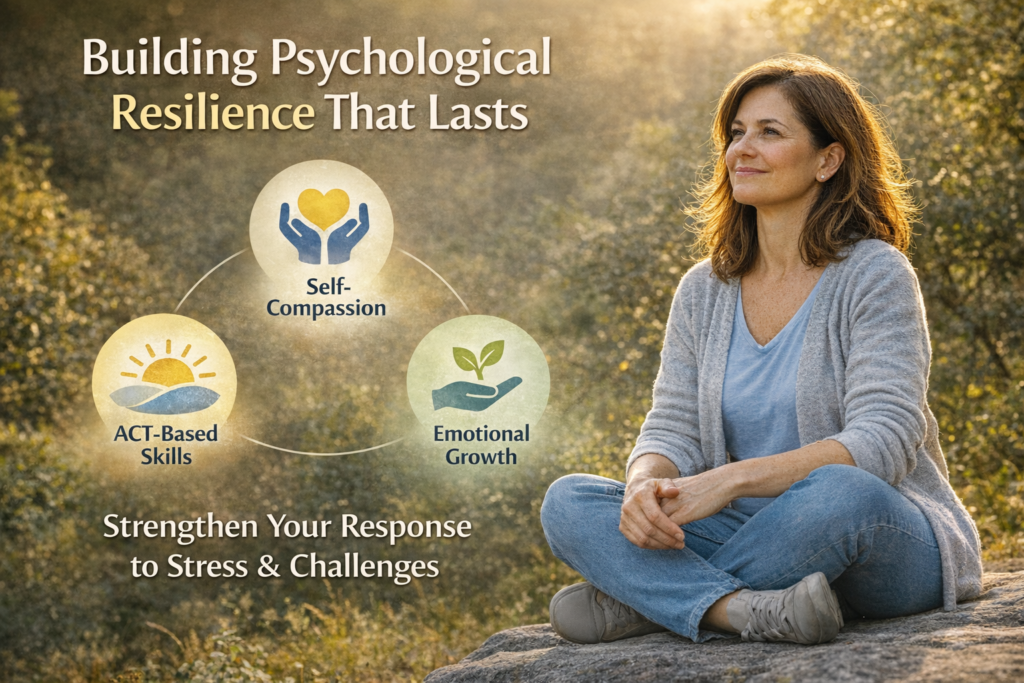
Research led by psychologist Kristin Neff has consistently shown that self-compassion predicts:
* Lower anxiety
* Lower depression
* Greater resilience
* Better emotional regulation
* Higher life satisfaction
Self-compassion is not self-pity or lowering standards.
Instead, it involves responding to ourselves with the same kindness we would naturally offer someone we love.
When we make mistakes, we acknowledge our humanity rather than attacking ourselves.
Ironically, people who practice self-compassion are often more motivated to grow because they are no longer paralysed by shame.
Internal Family Systems: Healing Your Inner Relationships
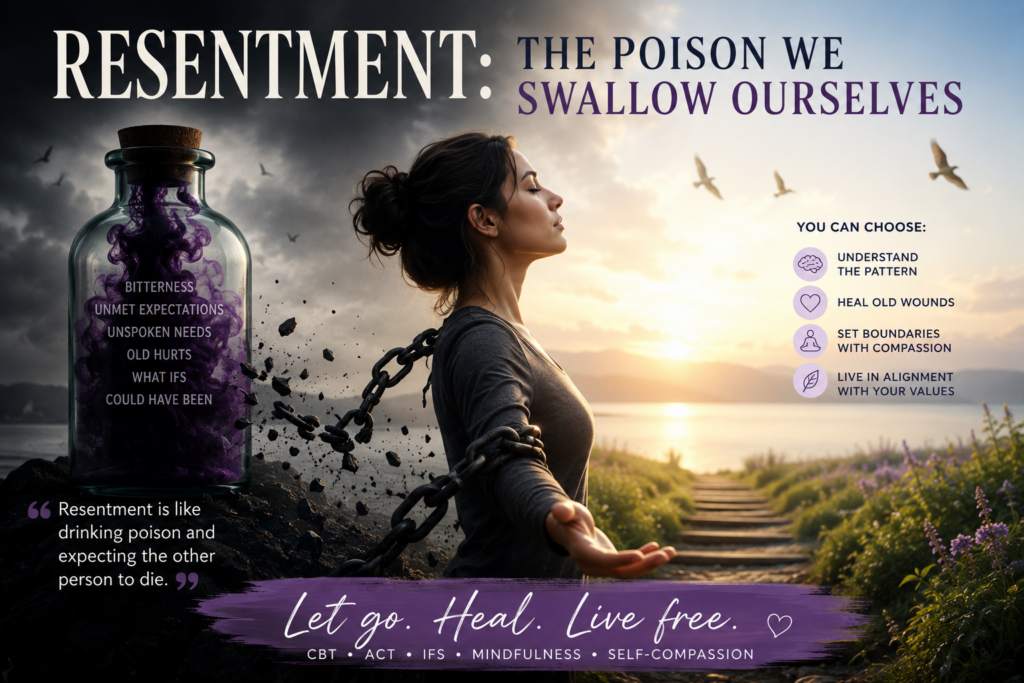
One therapeutic approach that beautifully complements the Harvard findings is Internal Family Systems (IFS).
IFS proposes that our minds consist of many different “parts.”
For example:
* An inner critic
* A perfectionist
* A people-pleaser
* An anxious protector
* A withdrawn part
* Hurt younger parts carrying painful experiences
Often these parts develop in response to difficult life experiences.
The inner critic may believe that harshness prevents failure.
The perfectionist may believe mistakes are dangerous.
The people-pleaser may fear abandonment.
Rather than trying to eliminate these parts, IFS helps us build compassionate relationships with them.
As our internal relationships become safer, our external relationships often improve as well.
We become less reactive.
Less defensive.
More authentic.
More emotionally available.
Acceptance and Commitment Therapy: Investing in What Matters
Acceptance and Commitment Therapy (ACT) offers another important perspective.
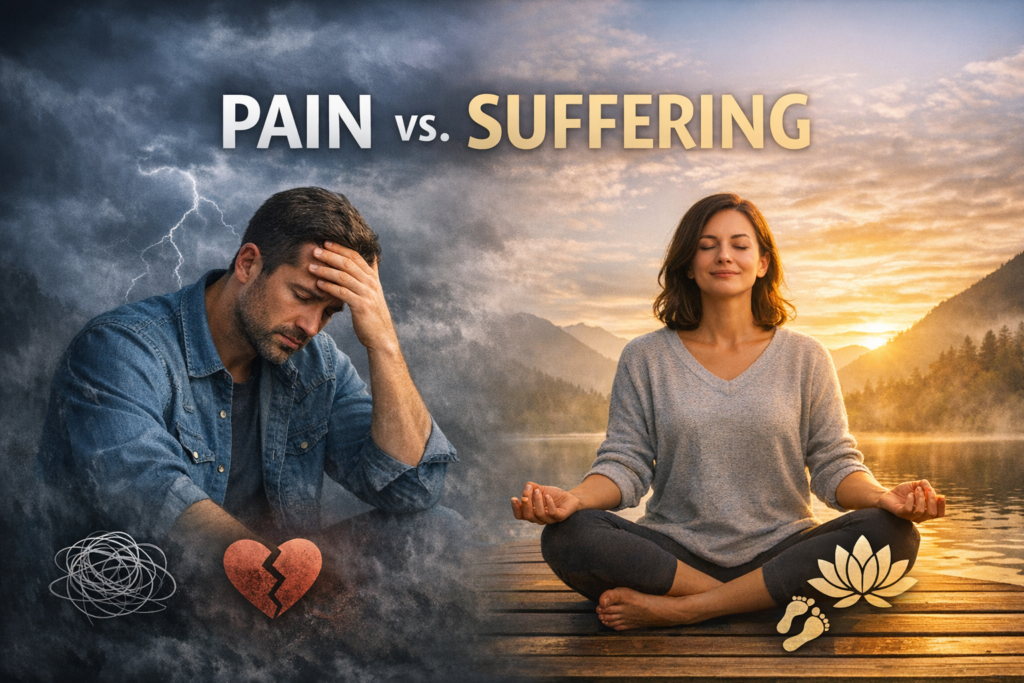
ACT recognizes that emotional pain is an unavoidable part of life.
Instead of trying to eliminate difficult emotions, ACT teaches us to make room for them while continuing to move toward what matters most.
If relationships are central to happiness, ACT asks an important question:
What small action can I take today that moves me toward connection?
Perhaps it means:
* Calling an old friend
* Having an honest conversation
* Spending uninterrupted time with your children
* Setting healthy boundaries
* Expressing appreciation
* Being fully present with your partner
Meaningful relationships are built through repeated small moments of connection rather than grand gestures.
Strong Relationships Require Emotional Skills
Healthy relationships do not happen automatically.
They depend on psychological skills that can be learned.
These include:
* Emotional awareness
* Self-regulation
* Communication
* Vulnerability
* Repair after conflict
* Healthy boundaries
* Compassion for ourselves and others
Therapy provides an opportunity to strengthen each of these capacities.
As emotional flexibility grows, relationships often become more satisfying—not because other people change first, but because we relate differently.
Happiness Is Less About Achievement Than Connection
Our culture often encourages us to postpone happiness.
“I’ll relax after this promotion.”
“I’ll be happy once I earn more.”
“I’ll enjoy life after everything settles down.”
The Harvard Study gently reminds us that life doesn’t work that way.
The moments that sustain us are rarely the ones that impress other people.
Instead, they are the ordinary moments of genuine connection:
A conversation over coffee.
Laughing with a friend.
Comforting a child.
Holding someone’s hand.
Feeling accepted exactly as we are.
These experiences nourish both psychological and physical health in ways success alone cannot.
The Takeaway
The Harvard Study of Adult Development offers one of the clearest messages modern psychology has ever produced:
The quality of our relationships shapes the quality of our lives.
That includes our relationships with partners, family, friends—and perhaps most importantly, ourselves.
If you struggle with self-criticism, emotional reactivity, loneliness, or relationship difficulties, therapy can help you cultivate the emotional skills that support lasting well-being. Approaches such as Internal Family Systems (IFS), Acceptance and Commitment Therapy (ACT), and self-compassion training can help you understand your inner world, respond to yourself with greater kindness, and build stronger, more authentic connections with others. CONTACT US today to learn more.
Happiness isn’t something we stumble upon or achieve once we’ve checked every box. It’s something we create through the relationships we nurture—both within ourselves and with the people who matter most.
References
Neff, K. D. (2003). Self-compassion: An alternative conceptualization of a healthy attitude toward oneself. Self and Identity, 2(2), 85–101.
Vaillant, G. E. (2012). Triumphs of experience: The men of the Harvard Grant Study. Belknap Press of Harvard University Press.
Waldinger, R. J., & Schulz, M. S. (2023). The good life: Lessons from the world’s longest scientific study of happiness. Simon & Schuster.
Waldinger, R. J., & Schulz, M. S. (2010). What’s love got to do with it? Social functioning, perceived health, and daily happiness in married octogenarians. Psychology and Aging, 25(2), 422–431.
Prepared by Dr. Jennifer Barbera, PhD, Registered Psychologist
Dr. Jennifer Barbera PhD, C. Psych is a licensed psychologist with over 25 years of counselling experience. She has extensive clinical expertise supporting individuals and couples with anxiety, trauma, depression, addiction, and relationship challenges. Her work combines evidence-based approaches with practical strategies to help clients build resilience and improve well-being.