Tag: common reactions to trauma
Emotional Compartmentalization: When a Helpful Survival Skill Becomes an Emotional Floodgate Most people have engaged in emotional compartmentalization at some point in their lives. A parent may set aside their…
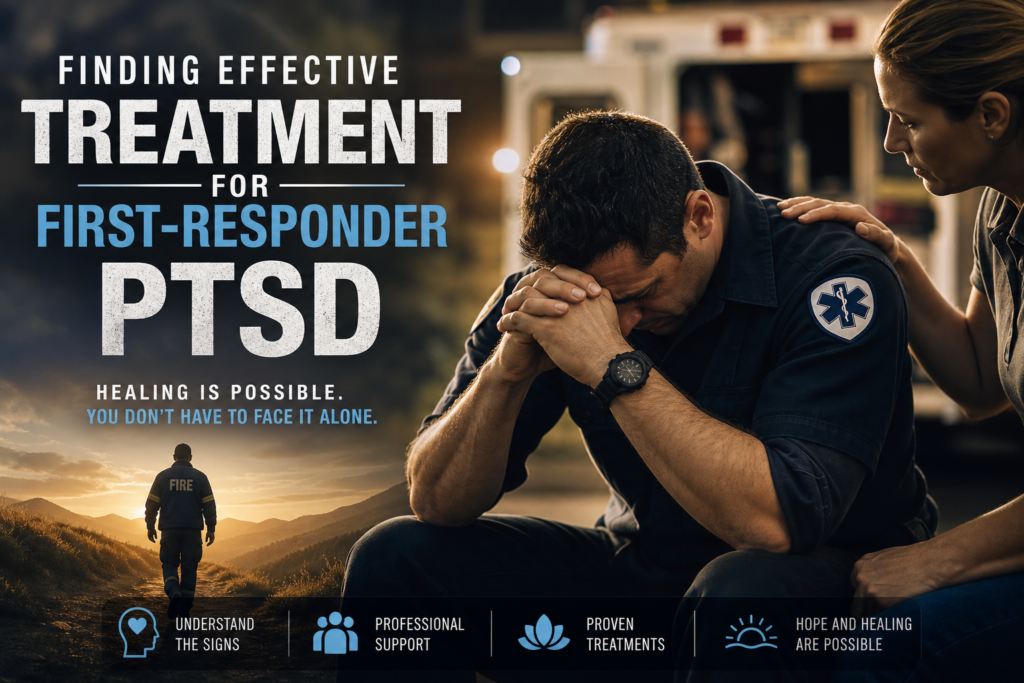
If you’re a first responder struggling after what you’ve seen, heard, or experienced on the job—you’re not alone. And just as important, there’s nothing weak about the way you’re feeling.…
Trauma does not only create fear or anxiety—it can also lead to the opposite experience: emotional numbness and detachment. Many people living with post-traumatic stress describe feeling cut off from…
How PTSD Affects Mood and Arousal: Effective Therapy in Ontario Trauma does not simply live in memory—it reshapes how the body, brain, and nervous system function. For many individuals living…
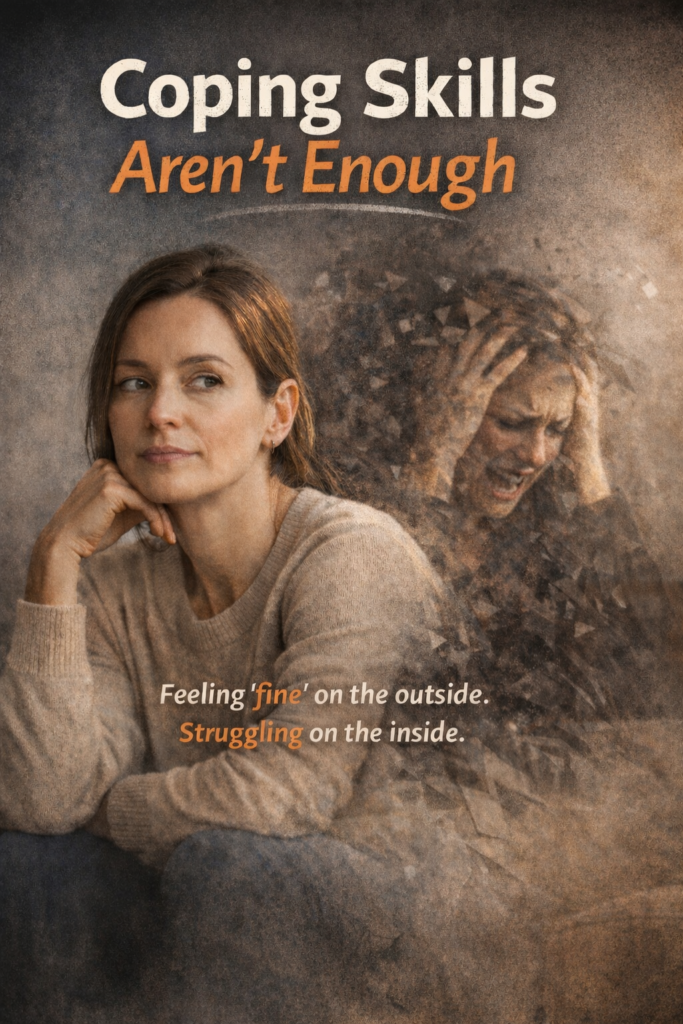
Most people come to therapy expecting to learn coping skills—and many do. Breathing exercises, grounding techniques, and distraction strategies can help reduce distress in the moment. These tools are widely…
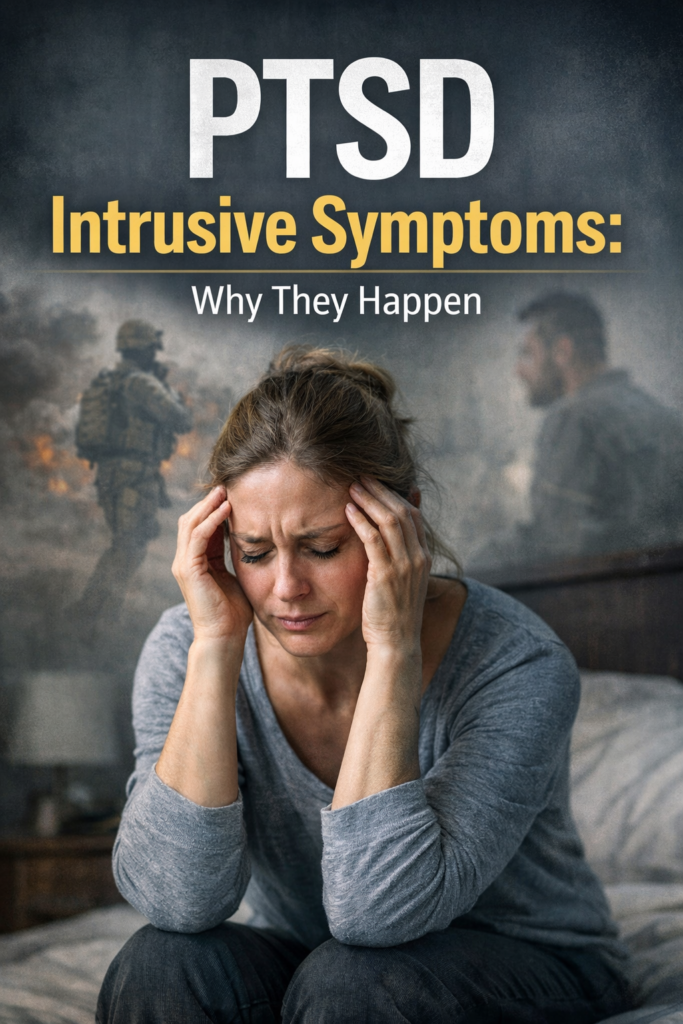
Learn what intrusion symptoms are, why they develop after trauma, and practical grounding strategies to manage them—plus when to seek professional support for lasting relief. Intrusion symptoms are one of…
Learn how to tell if you are ready for trauma processing. Explore stability vs. processing phases in trauma therapy, key readiness signs, and evidence-based guidance. Understanding Readiness for Trauma Processing…
Explore what hypervigilance is, how it connects to worry and trauma, and how evidence‑based approaches like ACT and IFS can support recovery and emotional regulation. What Is Hypervigilance and Why…
PTSD and Common Reactions to Trauma: Understanding What Happens After Trauma. What is trauma? Trauma is not defined only by what happened, but by how the nervous system experienced the…