Why Old Patterns Stick: Survival & Brain Prediction
Why Some Old Patterns Feel Non-Negotiable
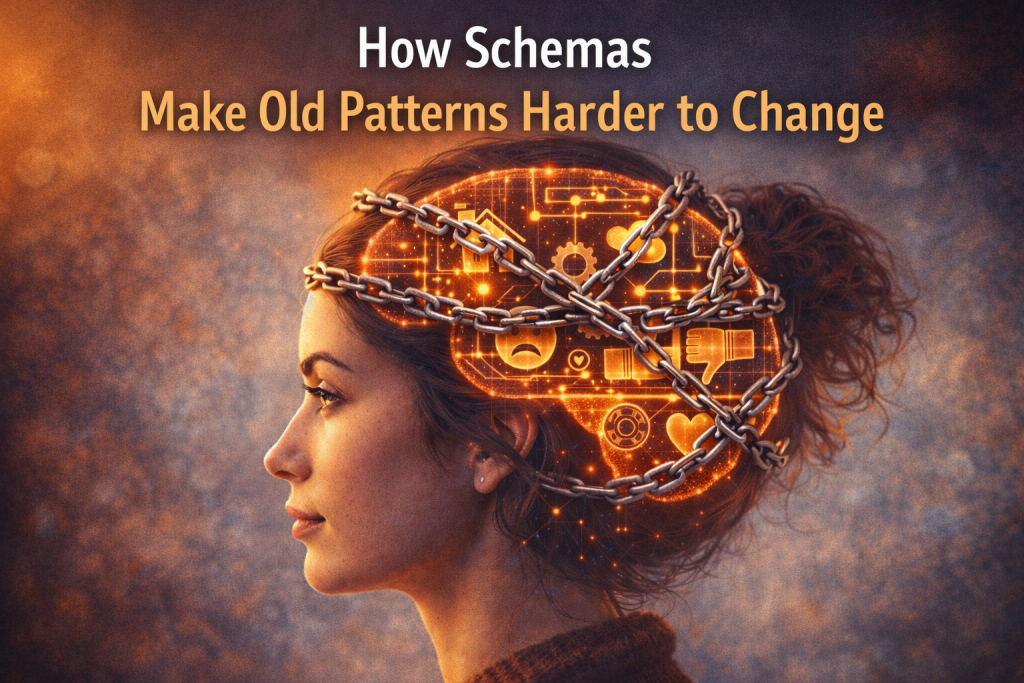
Many people become frustrated with themselves when old patterns don’t change, even after years of insight, therapy, or personal growth. You may understand why you react the way you do—and still feel unable to respond differently when it matters most.
This isn’t because you’re failing.
It’s because your nervous system learned some rules a long time ago.
How the Nervous System Learns What’s “Required”
Early in life, we learn how to stay safe and connected by trying different ways of responding. We express needs, pull away, comply, push back, or become invisible—and we notice what happens next.
If certain responses repeatedly led to:
• Needs being ignored
• Conflict escalating
• Punishment, rejection, or loss of connection
the nervous system learned a clear message:
Trying something different is dangerous.
At the same time, if one particular response helped reduce harm—even at a personal cost—that response became essential.
Over time, it stopped being a choice (where Self leads) and started feeling like a rule.
Why Change Can Trigger Anxiety or Shutdown
When an old pattern had to stay in place for a long time, your nervous system treats it as non-negotiable. Even small attempts to act differently—speaking up, setting boundaries, slowing down, relying on yourself, or trusting others—can bring up anxiety, guilt, or a sense that something bad is about to happen.
This reaction isn’t irrational.
Your body is responding as if survival is at stake.
That’s why insight alone often isn’t enough. These patterns weren’t learned through thinking—they were learned through lived experience.
When Protection Becomes Limiting
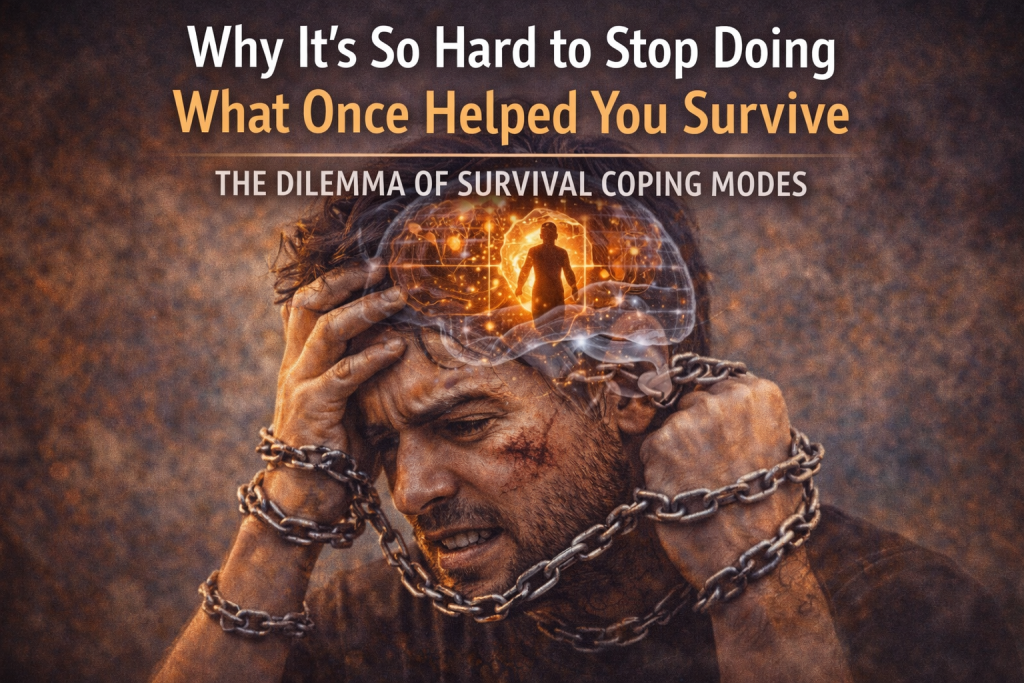
What once protected you may now limit you.
Old survival patterns can show up as:
• Always scanning for danger or worst-case outcomes
• Over-relying on others or feeling unable to cope alone
• Shutting down needs or emotions
• Feeling stuck in control, pressure, or self-criticism
These patterns are not flaws. They are signs of a system that adapted very carefully.
How Change Actually Happens
Your nervous system doesn’t let go of old rules because you decide to. It does so when it experiences something new repeatedly and safely:
• Needs being met without punishment
• Boundaries that don’t lead to loss
• Support that doesn’t come with control
• Choice where there once was none
Over time, your system learns that the old pattern is no longer required.
A Compassionate Reframe
You are not stubborn, broken, or resistant.
You are loyal to what once kept you safe.
Healing is not about forcing yourself to change—it’s about helping your nervous system learn that it no longer has to survive the way it once did.
And when safety becomes real, flexibility naturally follows.
To learn more about how progressive approaches to therapy can help you make more effective changes in how you think, feel and behave, contact us today.
Prepared by Dr. Jennifer Barbera, PhD, Registered Psychologist
Dr. Jennifer Barbera PhD, C. Psych is a licensed psychologist with over 25 years of counselling experience. She has extensive clinical expertise supporting individuals and couples with anxiety, trauma, depression, addiction, and relationship challenges. Her work combines evidence-based approaches with practical strategies to help clients build resilience and improve well-being.