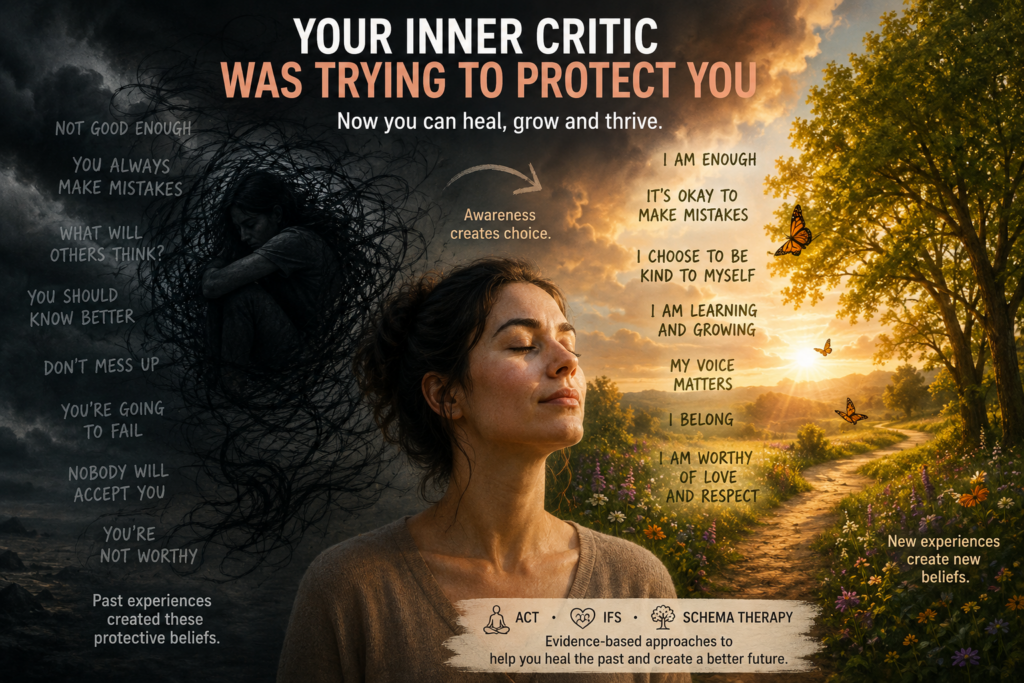
Why Your Inner Critic Thinks It’s Protecting You: How the Brain Learns to Predict Danger and How Healing Is Possible “Don’t make a mistake.” “You’re going to embarrass yourself.” “You…
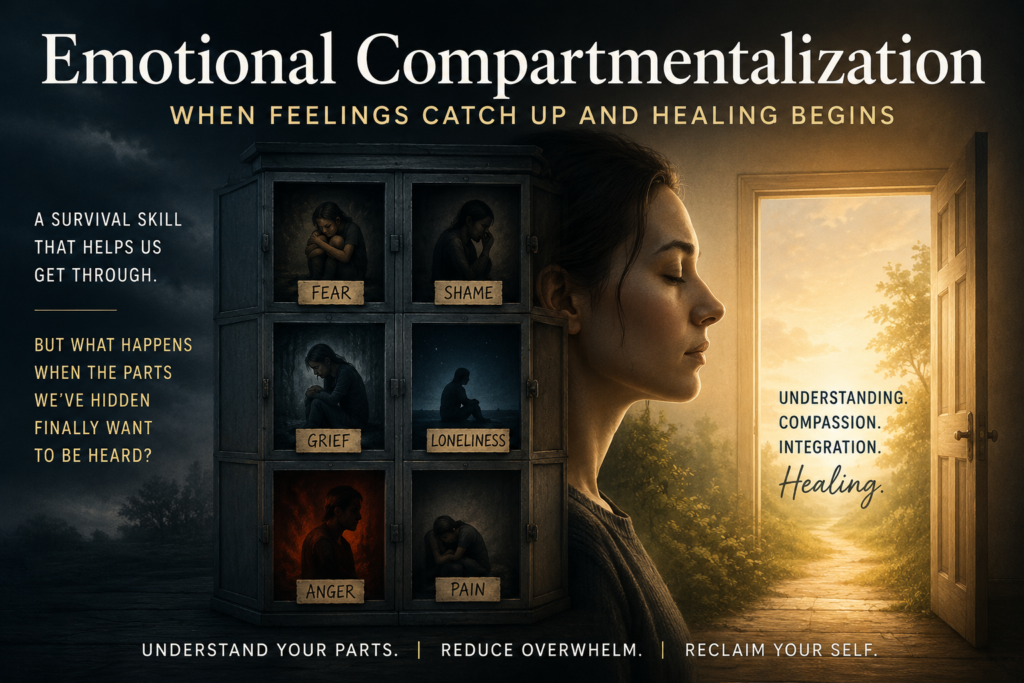
Emotional Compartmentalization: When a Helpful Survival Skill Becomes an Emotional Floodgate Most people have engaged in emotional compartmentalization at some point in their lives. A parent may set aside their…
When Disapproval Feels Unbearable: How Emotional Tolerance Shapes Our Relationships Many relationship conflicts don’t begin with anger. They begin with discomfort—a feeling of being criticized, misunderstood, disapproved of, or seen…
When people think about trauma, they often imagine a single overwhelming event—a car accident, assault, natural disaster, or medical emergency. While these experiences can certainly lead to post-traumatic stress disorder…
The “If Only” Trap: Understanding Regret as a Psychological Stuck Point Most people can recall a moment when they have thought, “If only I had said something different.” “If only…
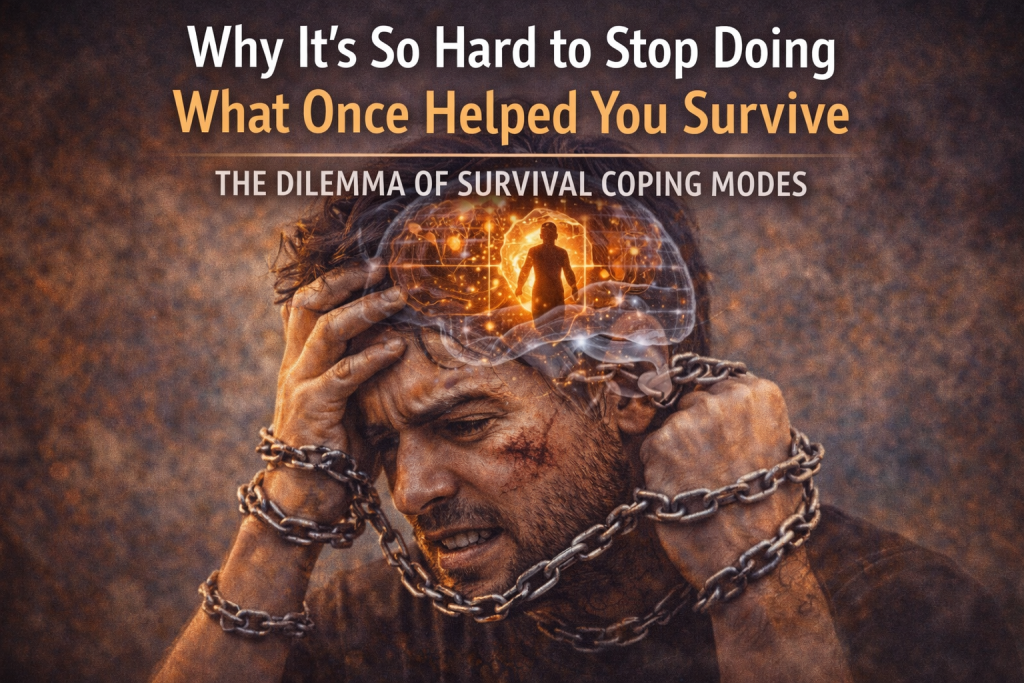
When needs go unmet, the nervous system treats survival coping modes as non-negotiable. Learn why old patterns persist despite insight or effort. When Survival Becomes Non-Negotiable: Why the Nervous System…
Discover the difference between self-criticism and self-reflection. Learn how shifting to self-reflection can boost resilience, reduce shame, and improve mental well-being. Self-Criticism vs. Self-Reflection: Transforming How You Talk to Yourself…
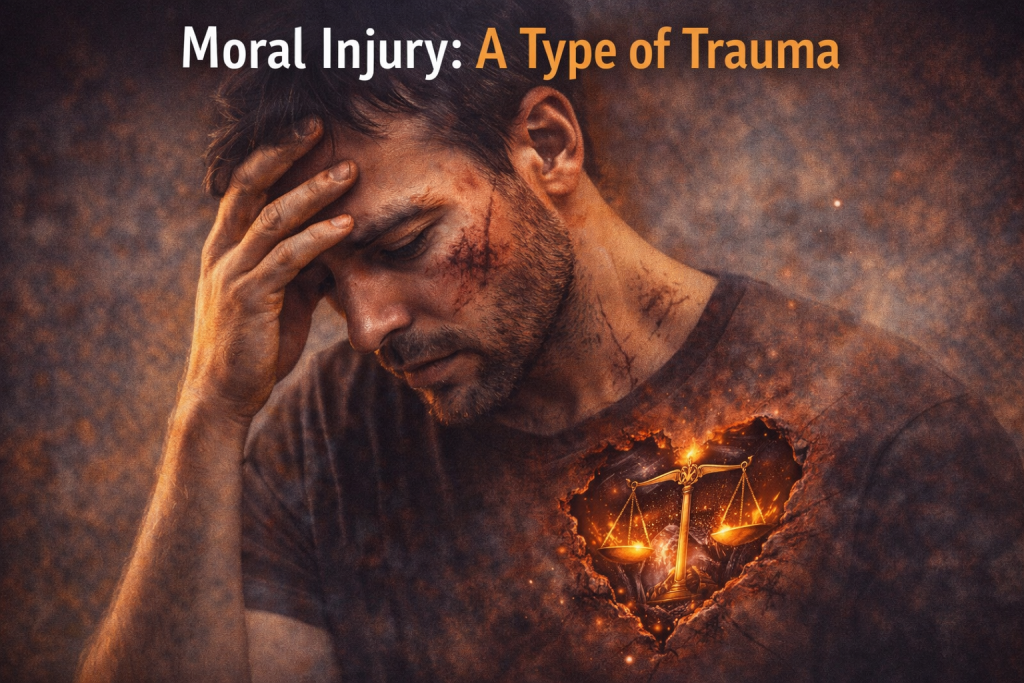
Moral injury explained: how it differs from traditional PTSD, why police and first responders are at risk, and how therapy approaches like ACT and IFS support healing. Moral injury is…
Chronic Shame and Self-Criticism: 3 Evidence-Based Approaches That Help Chronic shame and self-criticism can feel like constant, invisible weights—undermining confidence, relationships, and overall well-being. Yet with the right therapeutic approach,…
Low self-confidence often develops from early experiences and core beliefs that shape how we see ourselves. Learn how CBT, ACT, and IFS therapy in Ontario can help rebuild confidence by…