Technology can either overwhelm or transform life with ADHD. Many people download dozens of apps hoping to “get organized,” only to abandon them within days. The issue isn’t a lack…
Understanding trauma requires more than identifying symptoms—it requires asking a different question. As the book What Happened to You? powerfully reframes it: “What happened to you?” rather than “What’s wrong…
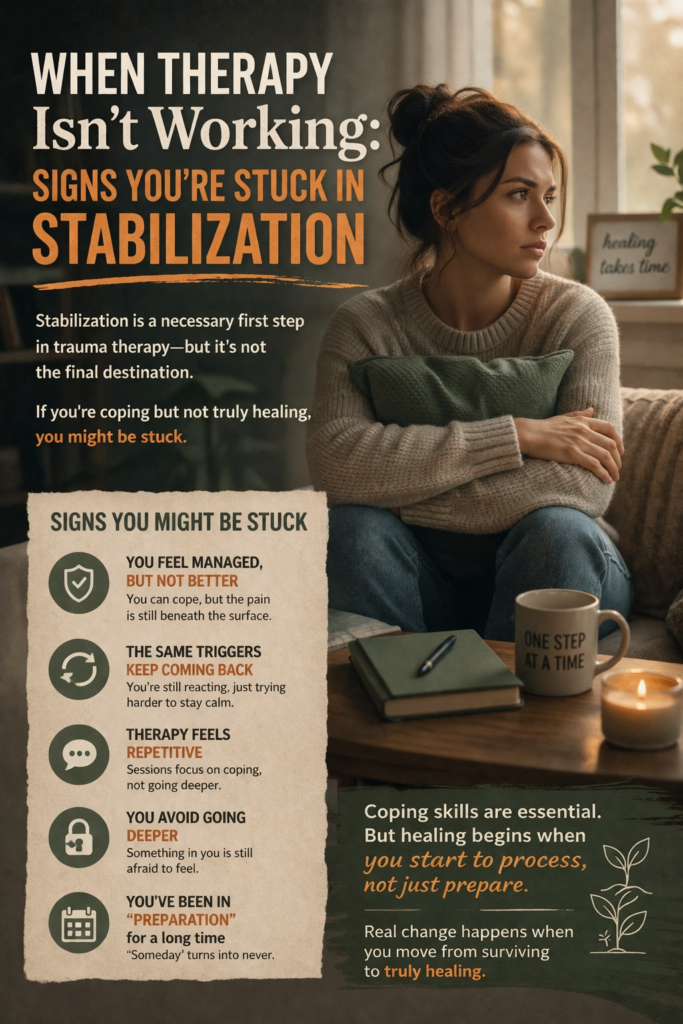
Many people begin trauma therapy with a sense of hope. They learn grounding techniques, develop coping skills, and begin to feel more in control of their emotions. In the early…
Most people come to therapy expecting to learn coping skills—and many do. Breathing exercises, grounding techniques, and distraction strategies can help reduce distress in the moment. These tools are widely…
Learn what intrusion symptoms are, why they develop after trauma, and practical grounding strategies to manage them—plus when to seek professional support for lasting relief. Intrusion symptoms are one of…
Learn how to tell if you are ready for trauma processing. Explore stability vs. processing phases in trauma therapy, key readiness signs, and evidence-based guidance. Understanding Readiness for Trauma Processing…
EMDR Therapy in Hamilton, Ontario: How It Helps You Move Beyond Trauma and Anxiety If you’ve ever felt stuck replaying distressing memories, overwhelmed by anxiety that doesn’t fully make sense,…
Discover the hidden signs of childhood trauma in adults, including overlooked emotional and behavioural patterns shaped by early maladaptive schemas—and how to begin healing. Childhood trauma does not always present…
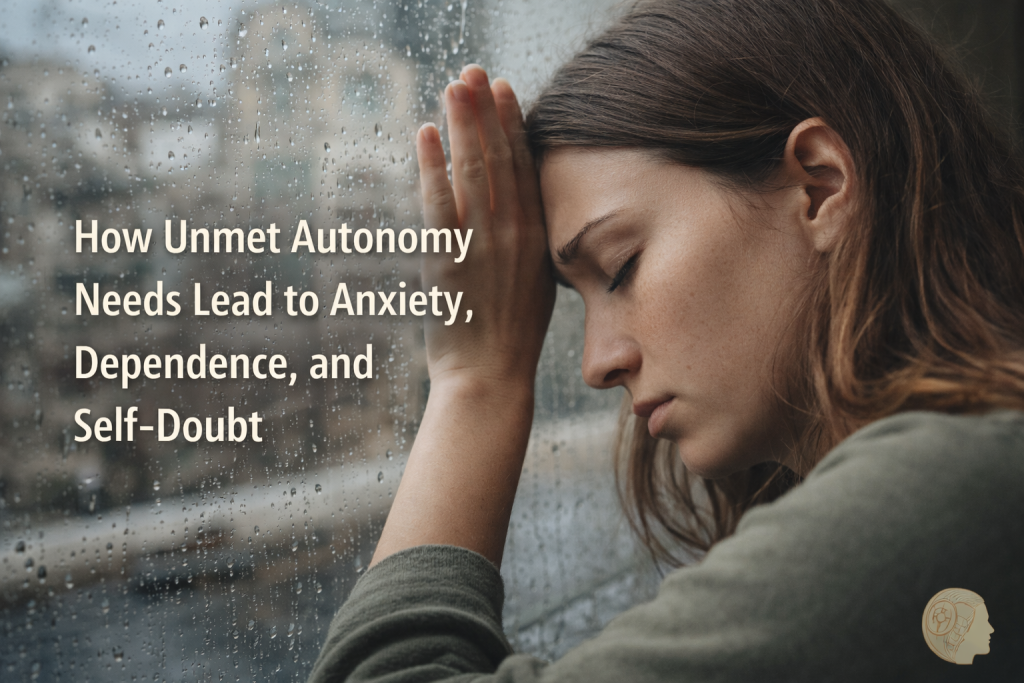
When Autonomy, Confidence, and Identity Are Undermined: A core emotional need in childhood is the development of autonomy, competence, and a stable sense of identity. This need allows a child…
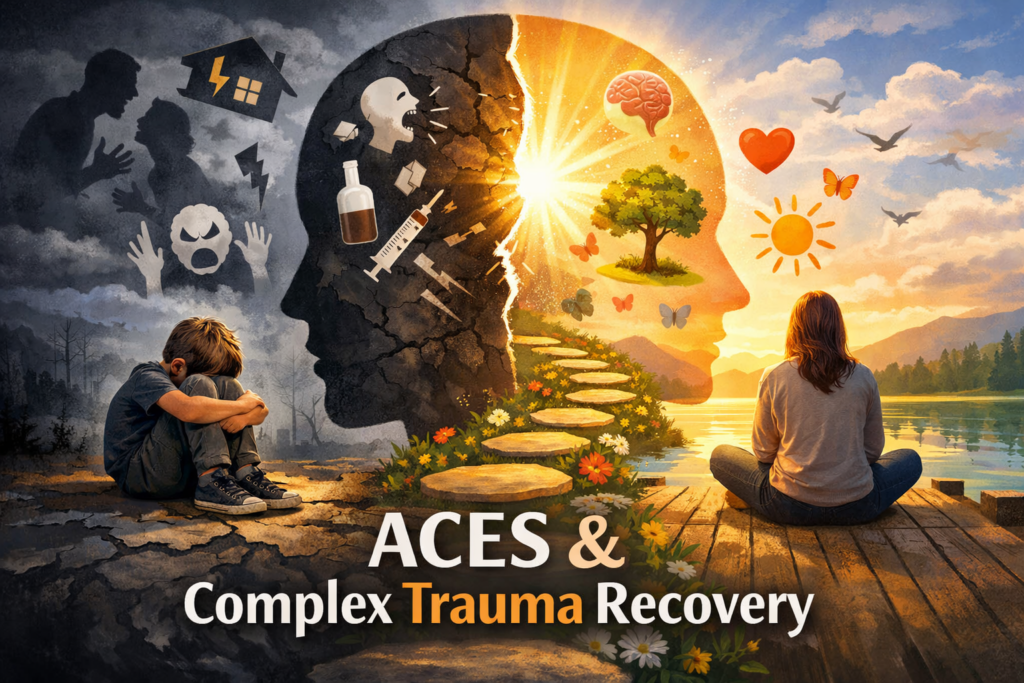
Adverse Childhood Experiences (ACEs) are one of the most important frameworks for understanding how early life stress can shape both mental and physical health across the lifespan. In clinical practice,…