How to Find Therapy that Works for Stress in Hamilton & Ontario
Looking for therapy for stress in Hamilton or across Ontario? Learn what stress is, why it’s so common, and how psychological flexibility skills can help you cope more effectively.
What Is Stress, Really?
Stress is often misunderstood as simply “feeling overwhelmed,” but in psychological terms, it is a complex mind-body response to perceived demands that exceed our ability to cope. It involves activation of the nervous system, shifts in attention, and changes in behaviour—all designed to help us respond to challenges.
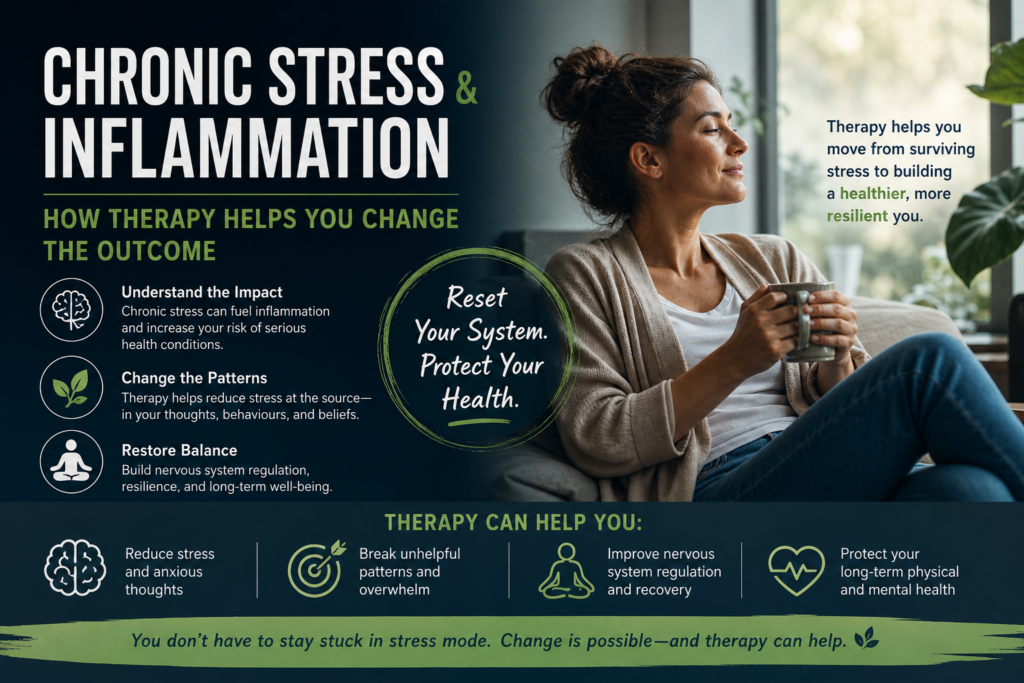
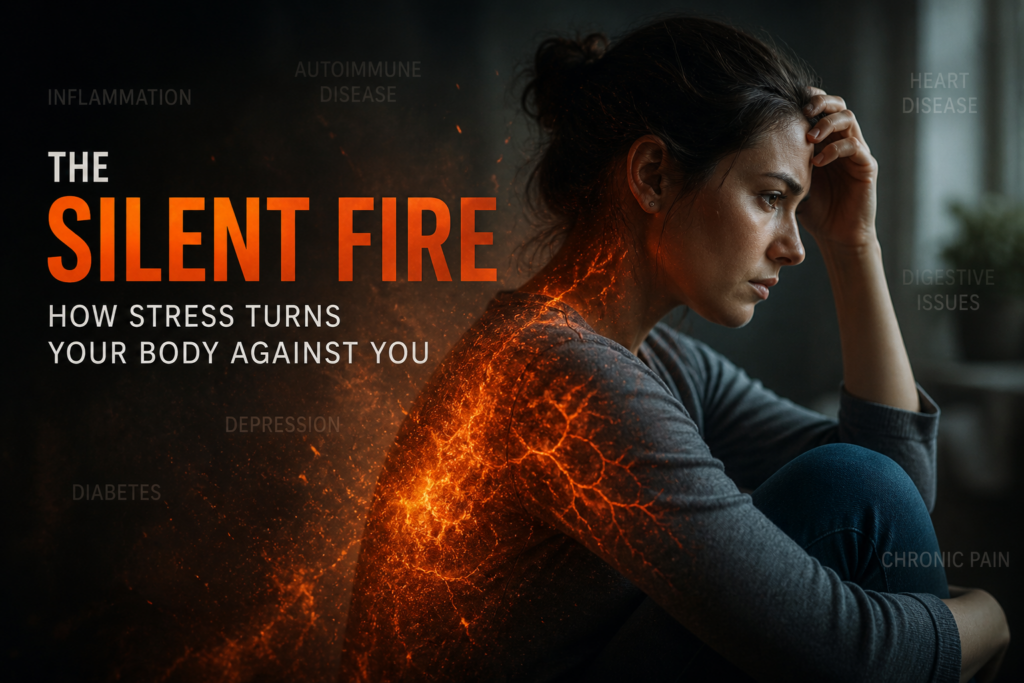
In short bursts, stress can be adaptive. It helps us focus, mobilize energy, and respond quickly. But when stress becomes chronic—lingering for weeks, months, or years—it starts to erode both mental and physical health. Research consistently shows links between prolonged stress and anxiety, depression, cardiovascular issues, and impaired immune functioning (McEwen, 2007).
This is where therapy for stress in Hamilton and across Ontario becomes not just helpful—but often necessary.
To learn more about the differences between anxiety and stress, read our previous post Stress Vs Anxiety: How to Tell the Difference.
Why Stress Feels So Intense in North America
It’s not just you—modern life in North America is uniquely structured to amplify stress.
Many people are navigating:
* Constant digital stimulation and little true downtime
* Productivity-focused cultures that reward overextension
* Financial pressures, including housing and cost of living
* Social comparison driven by social media
* Reduced community connection and increasing isolation
These factors create what psychologists sometimes call a “chronic threat environment”—not because we are in physical danger, but because our nervous system is rarely given a chance to fully reset.
Even when people try to “relax,” their minds remain active—planning, worrying, or replaying events. Over time, this pattern trains the brain to stay in a heightened state of alertness.
Therapy for stress in Ontario increasingly focuses on helping individuals not just reduce stressors (which is often limited), but change how they relate to stress internally.
The Problem With “Eliminating Stress”
A common misconception is that the goal of therapy is to eliminate stress entirely. That’s not realistic—and it can actually make things worse.
When people believe they shouldn’t feel stressed, they often:
* Become frustrated with themselves
* Avoid situations that trigger stress
* Try to suppress or control their internal experiences
Ironically, these strategies tend to increase stress over time (Hayes et al., 1999).
What works better is a shift in approach—one grounded in psychological flexibility.
Psychological Flexibility: A More Effective Approach
Psychological flexibility is the ability to stay present, open, and engaged—even in the presence of difficult thoughts, emotions, or sensations—and to take actions aligned with your values.
It’s one of the most well-supported processes in modern psychotherapy, particularly within Acceptance and Commitment Therapy (ACT).
Instead of trying to control stress, psychological flexibility helps you:
* Notice stress without being overwhelmed by it
* Reduce avoidance behaviours
* Respond intentionally rather than react automatically
* Stay connected to what matters most
This doesn’t mean stress disappears—but it stops running the show.
Key Skills That Help You Cope With Stress
Effective stress therapy in Hamilton and across Ontario often includes building the following psychological flexibility skills:
1. Cognitive Defusion
Learning to step back from thoughts rather than getting entangled in them. For example, shifting from “I can’t handle this” to “I’m noticing I’m having the thought that I can’t handle this.”
2. Acceptance
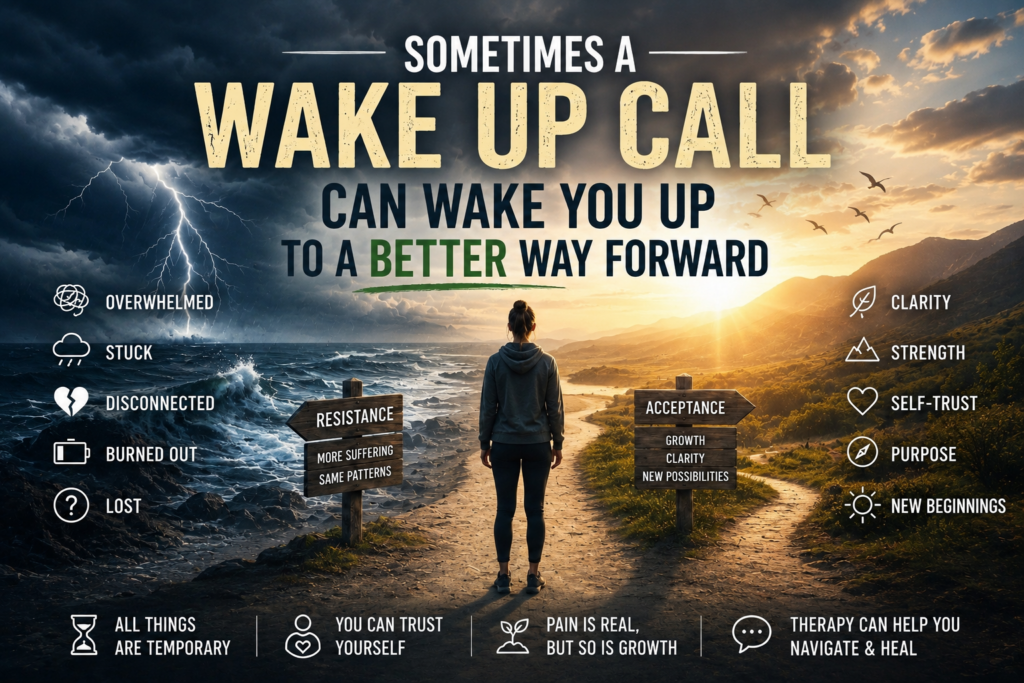
Making space for uncomfortable emotions instead of fighting them. This reduces the secondary stress that comes from resistance.
3. Present-Moment Awareness
Grounding attention in the here and now, rather than being pulled into worry about the future or rumination about the past.
4. Values Clarification
Identifying what truly matters to you—so your actions are guided by meaning, not just stress avoidance.
5. Committed Action
Taking small, consistent steps toward your values, even when stress is present.
These skills are not quick fixes. They require practice—but they create lasting change in how people relate to stress.
What to Expect From Therapy for Stress in Ontario
If you’re searching for therapy for stress in Hamilton or online across Ontario, a high-quality approach will typically include:
* A clear understanding of your specific stress patterns
* Identification of maintaining factors (e.g., avoidance, perfectionism)
* Skill-building focused on psychological flexibility
* Practical strategies tailored to your daily life
* A collaborative, non-judgmental therapeutic relationship
Importantly, therapy should feel active and purposeful—not just a place to vent, but a space to develop real, usable skills.
When Stress Becomes a Signal to Act
Stress isn’t always something to “get rid of.” Often, it’s a signal that something in your life needs attention—whether that’s boundaries, workload, relationships, or unmet needs.
The goal of therapy is not to silence that signal, but to help you respond to it more effectively.
If stress is interfering with your sleep, relationships, work, or overall well-being, it’s worth taking seriously.
And if you’ve been trying to manage it on your own without lasting success, that’s not a failure—it’s a sign you may need a different approach.
Taking the Next Step
If you’re feeling stuck in cycles of overwhelm, avoidance, or constant mental pressure, evidence-based therapy can help you build a more sustainable way forward. Whether you’re looking for therapy for stress in Hamilton or online across Ontario, we invite you to CONTACT US today to begin developing the skills that actually make a difference.
References
Hayes, S. C., Strosahl, K. D., & Wilson, K. G. (1999). Acceptance and commitment therapy: An experiential approach to behaviour change. Guilford Press.
McEwen, B. S. (2007). Physiology and neurobiology of stress and adaptation: Central role of the brain. Physiological Reviews, 87(3), 873–904.
Kabat-Zinn, J. (2003). Mindfulness-based interventions in context: Past, present, and future. Clinical Psychology: Science and Practice, 10(2), 144–156.
American Psychological Association. (2020). Stress in America™ survey. APA.
Prepared by Dr. Jennifer Barbera, PhD, Registered Psychologist
Dr. Jennifer Barbera PhD, C. Psych is a licensed psychologist with over 25 years of counselling experience. She has extensive clinical expertise supporting individuals and couples with anxiety, trauma, depression, addiction, and relationship challenges. Her work combines evidence-based approaches with practical strategies to help clients build resilience and improve well-being.