How to Find Depression Counselling Online in Ontario
Many people searching for online therapy in Ontario for depression or psychological services for anxiety and depression quietly struggle with the same painful question:
“Why am I not happy when I feel like I’m trying so hard to be?”
According to Dr. Jennifer Barbera PhD, C. Psych, the problem is often not a lack of effort—but the unrealistic expectation that humans are supposed to feel happy most of the time.
In modern Western culture, happiness is frequently presented as the ultimate goal. Social media, advertising, and self-help messaging often imply that lasting happiness can be achieved if we improve ourselves enough, find the right relationship, earn more money, or create the perfect lifestyle. While there is nothing wrong with wanting happiness, constantly pursuing it can unintentionally worsen depression, anxiety, shame, and self-criticism.
For many individuals seeking virtual therapy for depression, one of the most important steps in healing is learning that emotional pain is part of being human—not proof that something is wrong with them.
Why the Constant Pursuit of Happiness Can Hurt Mental Health
Most people naturally prefer feeling joyful over feeling sad or anxious. However, problems arise when happiness is treated as a permanent emotional state instead of a temporary human experience.
Humans are not biologically designed to feel excited, content, or joyful all the time. Emotional experiences naturally shift throughout the day and across life circumstances. Much like changing weather patterns, emotions move through cycles of happiness, boredom, stress, disappointment, anxiety, sadness, and calm.
Expecting constant happiness is similar to expecting sunshine every single day. It ignores the reality of human emotional functioning and often creates disappointment when difficult emotions inevitably arise.
Research supports this idea. Studies have found that excessively valuing happiness may actually increase emotional distress and depressive symptoms (Ford & Mauss, 2014). People who believe they should always feel good often become more self-critical when they experience normal emotions such as sadness, frustration, or fear.
This cycle commonly appears in people seeking therapy for depression online, especially those who feel exhausted from trying to “fix” themselves emotionally.
The Link Between Unrealistic Happiness Expectations and Depression
One of the most damaging myths about happiness is the belief that emotionally healthy people should feel positive most of the time.
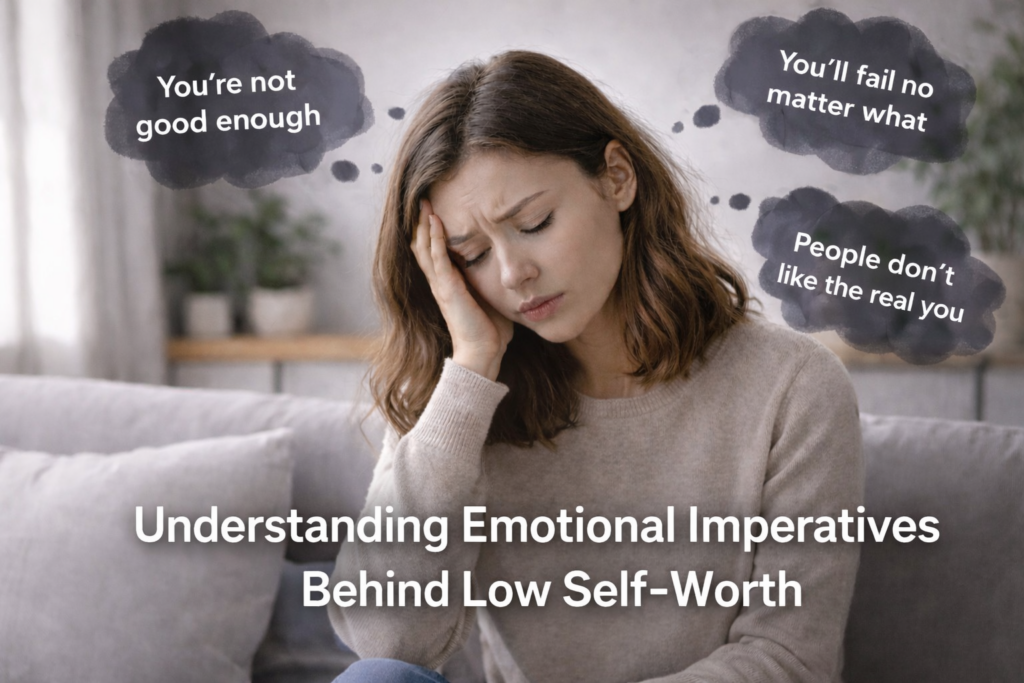
When individuals internalize this message, they may begin interpreting normal emotional struggles as evidence of personal failure. Thoughts such as:
* “Why can’t I just be happy?”
* “Other people seem fine.”
* “I should be grateful.”
* “Something must be wrong with me.”
can fuel shame, hopelessness, and depressive thinking.
Research in psychology has consistently shown that experiential avoidance—or trying to suppress or eliminate difficult emotions—is associated with increased depression and anxiety (Hayes et al., 2006). In other words, fighting emotions often intensifies emotional suffering.
Many people who begin online counselling for depression are surprised to learn that healing is not about eliminating sadness entirely. Instead, effective therapy often focuses on building emotional flexibility, self-compassion, and resilience.
Social Media and the Illusion of Constant Happiness
Social media can significantly intensify the happiness trap.
People are repeatedly exposed to carefully curated images of success, excitement, beauty, relationships, vacations, and achievement. These “snapshot moments” rarely show the full reality of stress, grief, insecurity, conflict, loneliness, or disappointment that exists behind the scenes.
This creates unrealistic social comparisons and can reinforce the belief that others are happier, more successful, or emotionally healthier.
Research has linked problematic social comparison on social media with depressive symptoms, lower self-esteem, and reduced psychological well-being (Vogel et al., 2014).
For individuals already vulnerable to depression or anxiety, constant exposure to idealized lifestyles can increase feelings of inadequacy and emotional exhaustion.
Why Chasing Happiness Often Backfires
Ironically, the harder someone tries to force happiness, the more distressed they may become when happiness naturally fades.
Joy and excitement are emotionally intense states that involve heightened nervous system activation. Because of this, they are temporary by nature. Humans cannot remain in a constant state of emotional elevation.
When people expect happiness to last indefinitely, they often become disappointed by normal emotional fluctuations. This disappointment can evolve into frustration, self-blame, or hopelessness.
Research by Gruber, Mauss, and Tamir (2011) suggests that rigidly pursuing happiness can paradoxically reduce well-being and contribute to emotional difficulties.
This is one reason many therapists now emphasize emotional acceptance and values-based living rather than constant positivity.
What Actually Supports Long-Term Mental Health?
Rather than focusing exclusively on “feeling happy,” many evidence-based approaches to psychotherapy encourage people to build a meaningful and psychologically flexible life.
This means learning to:
* tolerate difficult emotions without judging yourself,
* stop fighting every uncomfortable feeling,
* reduce harsh self-criticism,
* stay connected to personal values,
* build supportive relationships,
* engage in meaningful activities even during emotional pain,
* and practice self-compassion during difficult moments.
Approaches such as Acceptance and Commitment Therapy (ACT), Cognitive Behavioural Therapy (CBT), and mindfulness-based interventions have substantial evidence supporting their effectiveness for depression and anxiety (Cuijpers et al., 2013; Hayes et al., 2006).
For many people accessing online psychological services for depression, therapy becomes less about “becoming happy” and more about creating a life that feels authentic, connected, and meaningful.
Practical Ways to Step Out of the Happiness Trap
Here are several strategies that may help reduce the pressure to constantly feel happy:
1. Normalize Emotional Ups and Downs
Remind yourself that all humans experience a full range of emotions. Sadness, anxiety, anger, embarrassment, disappointment, and uncertainty are normal parts of life, especially a well-lived or rich and meaningful life.
2. Watch for “Should” Thinking
Notice thoughts such as:
* “I should be happier.”
* “I shouldn’t feel this way.”
* “I should be coping better.”
These thoughts often increase shame and emotional suffering.
3. Reduce Social Comparison
Be cautious about comparing your inner struggles to other people’s online highlights.
4. Focus on Meaning Instead of Constant Positivity
Ask yourself:
* What kind of person do I want to be?
* What matters most to me?
* What relationships, values, or goals give my life meaning?
5. Seek Professional Support
If feelings of sadness, hopelessness, anxiety, emotional numbness, or self-criticism are interfering with daily life, professional support can help.
Working with a psychologist through online or in-person therapy for depression can provide evidence-based strategies to improve emotional resilience, coping skills, and overall mental well-being.
Online Therapy for Depression and Anxiety
Many people prefer virtual therapy services because they offer privacy, convenience, accessibility, and flexibility. Online therapy can be particularly helpful for individuals who:
* have demanding schedules,
* live in underserved areas,
* struggle with motivation or energy,
* experience social anxiety,
* or prefer receiving support from home.
Research has shown that online cognitive behavioural therapy can be highly effective for treating depression and anxiety disorders (Andersson et al., 2014).
The goal of therapy is not to eliminate all painful emotions. The goal is to help people build healthier relationships with their emotions, reduce suffering, and create fuller, more meaningful lives.
A Better Way Forward
The endless pursuit of happiness can unintentionally become a psychological trap. When people believe they should always feel positive, normal emotional struggles can begin to feel like personal failures.
Mental health is not about feeling happy all the time. It is about learning to navigate the full range of human emotions with greater self-awareness, flexibility, compassion, and resilience.
Often, when people stop trying so hard to force happiness, they create more space for peace, connection, meaning, and genuine moments of joy to arise naturally.
If you are struggling with depression, anxiety, emotional overwhelm, or chronic self-criticism, professional psychological support may help you move toward a healthier and more balanced relationship with your emotions- CONTACT US today to set up an appointment.
References
Andersson, G., Cuijpers, P., Carlbring, P., Riper, H., & Hedman, E. (2014). Guided internet-based vs. face-to-face cognitive behavior therapy for psychiatric and somatic disorders: A systematic review and meta-analysis. World Psychiatry, 13(3), 288–295.
Cuijpers, P., Berking, M., Andersson, G., Quigley, L., Kleiboer, A., & Dobson, K. S. (2013). A meta-analysis of cognitive-behavioural therapy for adult depression. Canadian Journal of Psychiatry, 58(7), 376–385.
Ford, B. Q., & Mauss, I. B. (2014). The paradoxical effects of pursuing positive emotion: When and why wanting to feel happy backfires. In J. Gruber & J. T. Moskowitz (Eds.), Positive emotion: Integrating the light sides and dark sides (pp. 363–381). Oxford University Press.
Gruber, J., Mauss, I. B., & Tamir, M. (2011). A dark side of happiness? How, when, and why happiness is not always good. Perspectives on Psychological Science, 6(3), 222–233.
Hayes, S. C., Luoma, J. B., Bond, F. W., Masuda, A., & Lillis, J. (2006). Acceptance and commitment therapy: Model, processes and outcomes. Behaviour Research and Therapy, 44(1), 1–25.
Vogel, E. A., Rose, J. P., Roberts, L. R., & Eckles, K. (2014). Social comparison, social media, and self-esteem. Psychology of Popular Media Culture, 3(4), 206–222.
Prepared by Dr. Jennifer Barbera, PhD, Registered Psychologist
Dr. Jennifer Barbera PhD, C. Psych is a licensed psychologist with over 25 years of counselling experience. She has extensive clinical expertise supporting individuals and couples with anxiety, trauma, depression, addiction, and relationship challenges. Her work combines evidence-based approaches with practical strategies to help clients build resilience and improve well-being.