
Understanding Attachment and How to Heal It
Learn what attachment is, how early unmet needs shape attachment styles, and how therapy approaches like IFS, inner child work, and schema therapy can help you heal and build secure…

Boundaries explained: what boundaries are, the different types, and why healthy boundaries matter for mental health, relationships, and self-respect.
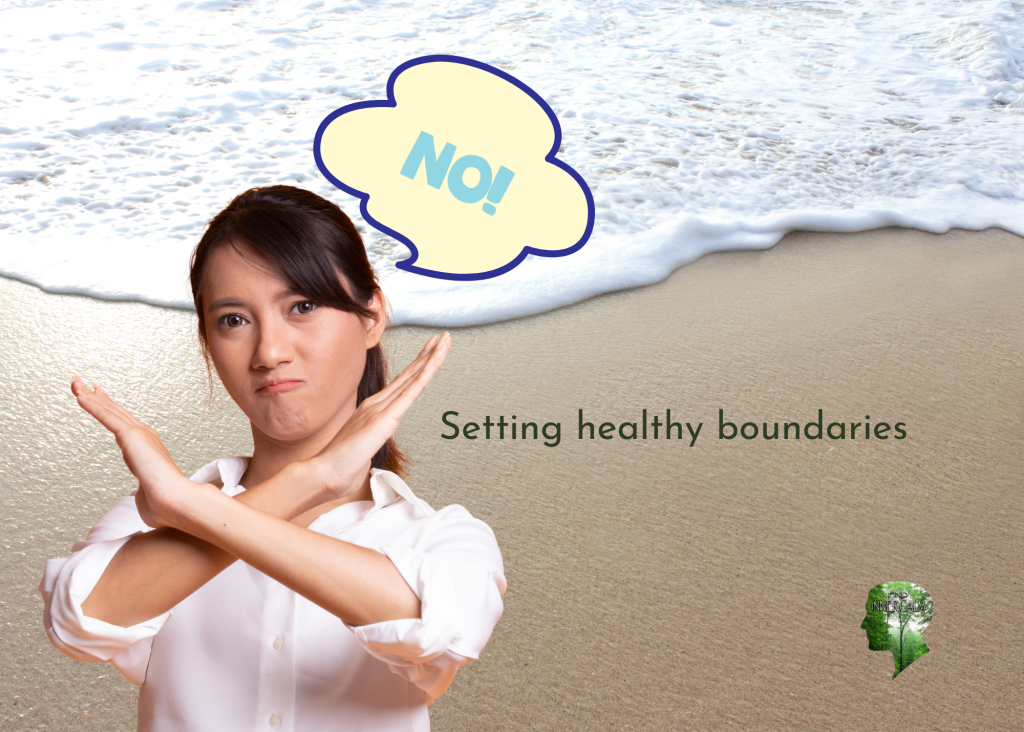
As Dr. Brené Brown succinctly puts it, boundaries are simply “what’s okay and what’s not okay.” While the concept may sound straightforward, setting and maintaining healthy boundaries can be one of the most challenging—and most important—skills for protecting your mental health and sustaining healthy relationships.
Boundaries help define how much of ourselves we are willing to give, what we feel comfortable with, and how we expect to be treated by others. Without clear boundaries, relationships can become confusing, draining, or even harmful.
Where Do Our Boundaries Come From?
Our ability to set boundaries is often shaped early in life. What we observed and experienced growing up plays a powerful role in how we relate to limits as adults.
If personal boundaries were ignored or violated in your family, you may now struggle to speak up for your own needs. You might have learned that saying “no” is selfish, that your comfort should come second to keeping the peace, or that expressing emotions is a sign of weakness. In contrast, some families discourage vulnerability altogether, which can lead to overly rigid boundary-setting.
Personality traits also influence boundary comfort. For example, individuals high in agreeableness may find it harder to assert limits. People with anxious attachment styles often fear rejection or abandonment and may fall into people-pleasing patterns, resulting in weaker boundaries.
Although many people aim for healthy boundaries, past experiences can pull us toward extremes.
Are You Living at One End of the Boundary Spectrum?
Porous Boundaries
If you struggle to say “no,” often people-please, or tend to overshare, you may have porous boundaries. These boundaries are too open, making it easy for others to cross your limits.
People with porous boundaries often fear rejection, conflict, or disapproval. As a result, they may sacrifice their own comfort, time, or emotional well-being to keep others happy.
Rigid Boundaries
At the other end of the spectrum are rigid boundaries. These boundaries are overly strict and can involve keeping people at a distance, avoiding vulnerability, or having difficulty trusting others.
While rigid boundaries can create a sense of control or safety, they often come at the cost of intimacy, emotional connection, and meaningful relationships.
What Do Healthy Boundaries Look Like?
Healthy boundaries exist in the middle of this spectrum. They allow you to stay open and connected without losing your sense of self.
When you have healthy boundaries, you are able to:
• Say “no” without excessive guilt
• Share thoughts and feelings appropriately
• Protect your time and energy
• Communicate needs clearly and respectfully
• Respect the boundaries of others
Setting healthy boundaries is not about being selfish or shutting people out. It is about honouring your well-being while remaining engaged and connected with others.
Physical Boundaries
These relate to personal space, touch, and physical needs. Choosing who can hug you or how close someone stands are examples of physical boundaries.
Emotional Boundaries
Emotional boundaries involve separating your feelings from others’. If you feel responsible for someone else’s happiness—or guilty when they’re disappointed—your emotional boundaries may need strengthening.
Mental Boundaries
Mental boundaries protect your thoughts, values, and opinions. Respecting differing viewpoints, even when you disagree, reflects healthy mental boundaries.
Time Boundaries
Time boundaries help manage energy and prevent burnout. Saying “no” to commitments when you’re overwhelmed is one way of protecting this boundary.
Digital Boundaries
Digital boundaries involve deciding when and how you are available online. Examples include limiting social media use or not responding to work emails outside of work hours.
Why Boundaries Matter for Mental Health
Boundaries are essential for maintaining healthy relationships and protecting your overall well-being. They clarify expectations, define roles, and communicate what behaviours are acceptable—and what are not.
When boundaries are clear and consistent, people are less likely to feel resentful, overwhelmed, or emotionally drained. Instead, boundaries foster mutual respect, emotional safety, and genuine connection.
At their core, boundaries are an act of self-care. They help sustain your energy, protect your mental health, and affirm your worth—without requiring you to sacrifice meaningful relationships.
If you’re just beginning your boundary-setting journey, start small. Pay attention to moments when something feels “off,” and practise giving yourself permission to speak up. Your needs are valid, and learning to set boundaries is one of the most empowering steps you can take for your mental health.
Ready to Strengthen Your Boundaries?
If setting boundaries feels difficult or brings up anxiety, guilt, or relationship concerns, professional support can help. Contact us to learn more about psychotherapy services in Hamilton and online across Ontario, or to book an appointment.
References
Arts, F. A. (2018). Boundaries with Brené Brown. Vimeo.
Ray, R. (2021). Setting boundaries. Macmillan Publishers Australia.
Stanek, C. (2025). “More than just a therapist”: Psychotherapist perspectives of the impact of boundary-setting on therapeutic alliances in youth residential treatment facilities. Residential Treatment for Children & Youth, 1–31.
Tawwab, N. G. (2021). Set boundaries, find peace: A guide to reclaiming yourself. Penguin.
Prepared by Debra Schlegel, Mpsy
Edited by Dr. Jennifer Barbera, PhD, Registered Psychologist
Dr. Jennifer Barbera PhD, C. Psych is a licensed psychologist with over 25 years of counselling experience. She has extensive clinical expertise supporting individuals and couples with anxiety, trauma, depression, addiction, and relationship challenges. Her work combines evidence-based approaches with practical strategies to help clients build resilience and improve well-being.