Grief Counselling in Ontario: What Actually Helps After Loss
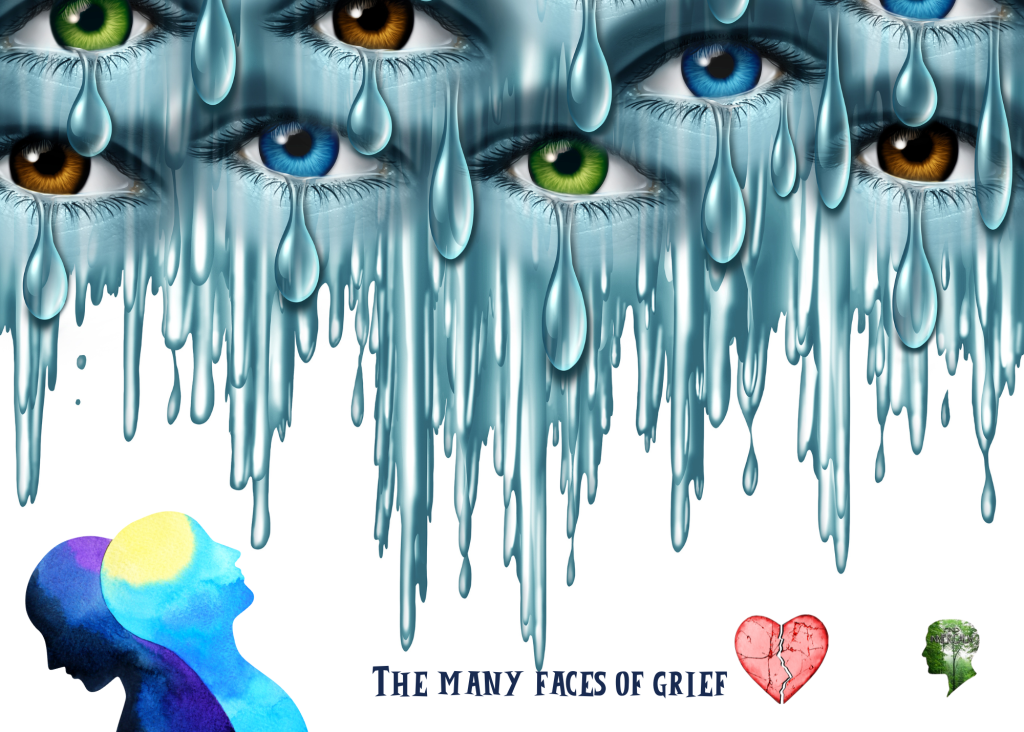
Grief is one of the most universal human experiences, yet it is also one of the most misunderstood. Many people are told that grief simply takes time, that it follows predictable stages, or that support alone is enough. While these ideas can be comforting, modern psychological research tells a more nuanced story. In recent years, the field has made significant advances in understanding when grief resolves naturally, when it becomes “stuck,” and what forms of therapy are most effective in helping people heal.
This matters because not all grief is the same—and not all therapy for grief is equally helpful.
Not All Grief Follows the Same Path
For many individuals, grief gradually softens over time. The intensity of emotions decreases, and people begin to re-engage with life while still maintaining a connection to the person they lost. However, research now clearly shows that a significant minority of people experience a more persistent and impairing form of grief.
This condition, formally recognized as Prolonged Grief Disorder (PGD), involves ongoing yearning, difficulty accepting the loss, emotional numbness, and a sense that life has lost its meaning. The inclusion of PGD in diagnostic systems such as the DSM-5-TR reflects a growing recognition that grief can, in some cases, become a distinct clinical concern requiring targeted intervention (American Psychiatric Association, 2022).
Importantly, this does not pathologize grief. Instead, it allows clinicians to differentiate between adaptive grief and forms of suffering that may benefit from specialized care.
Why Accurate Assessment Matters in Grief Therapy
One of the most important developments in grief research is the emphasis on differential diagnosis. Symptoms of prolonged grief often overlap with depression, anxiety, trauma-related disorders, and even burnout. For example, withdrawal, low mood, sleep disruption, and difficulty concentrating can appear across multiple conditions.
Without careful assessment, grief can be misinterpreted, leading to treatment approaches that do not address the underlying issue. For instance, treating prolonged grief as depression alone may overlook the central role of loss-related processes such as yearning, avoidance of reminders, or difficulty integrating the reality of the loss.
Clinicians trained in psychopathology and evidence-based assessment are better equipped to identify these distinctions and tailor treatment accordingly (Boelen et al., 2020). This is a key factor in ensuring that therapy is not only supportive, but effective.
The Limits of “Support Alone”
A common assumption is that any form of emotional support will help individuals process grief. While support is valuable, recent research suggests that it is not always sufficient—particularly for those experiencing more complex or prolonged grief reactions.
For example, a recent randomized controlled trial examining a web-based grief intervention found that while participants reported high satisfaction, the intervention did not significantly outperform basic psychoeducation in reducing grief symptoms (Litz et al., 2025). This finding highlights an important distinction: feeling supported is not the same as experiencing meaningful clinical improvement.
This does not mean that supportive counselling has no place. Rather, it suggests that for individuals with more persistent or impairing grief, structured, evidence-based approaches are often necessary.
What Actually Works: Evidence-Based Therapy for Grief
The strongest evidence to date supports structured, evidence-based approaches to grief therapy—particularly cognitive behavioural therapy (CBT) and increasingly, acceptance and commitment therapy (ACT). Grief-focused CBT helps individuals process the reality of the loss, gradually approach avoided memories or situations, and work through unhelpful beliefs such as guilt, self-blame, or a loss of meaning. These interventions are specifically adapted for grief and have been shown to be more effective than non-specific supportive approaches (Boelen et al., 2020; Doering & Eisma, 2023).
At the same time, ACT offers a complementary and increasingly researched approach. Rather than focusing on changing thoughts, ACT helps individuals develop psychological flexibility—the ability to make space for painful emotions like grief while still engaging in meaningful, value-driven action. Early research, including feasibility trials and systematic reviews, suggests that ACT can reduce grief-related distress and improve functioning, particularly by helping individuals shift their relationship to painful internal experiences rather than attempting to eliminate them (Davis et al., 2020; Jones et al., 2021).
Emerging qualitative and clinical research also highlights that ACT may be especially helpful in supporting individuals to live alongside grief, rather than feeling stuck in a struggle against it (Willi et al., 2024).
Increasingly, clinicians are integrating CBT and ACT principles—combining structured processing of the loss with acceptance, mindfulness, and values-based action—to provide a more flexible and individualized approach to grief therapy.
Grief as a Long-Term Health Issue
Another emerging insight is that unresolved grief is not only an emotional experience—it can also have long-term impacts on physical and mental health.
Longitudinal research has found that individuals with persistent grief symptoms may experience increased healthcare utilization and elevated health risks for years following a loss (Lundorff et al., 2017; recent longitudinal extensions, 2025). This reinforces the idea that addressing grief effectively is not simply about emotional relief, but about overall well-being.
For clinicians and clients alike, this underscores the importance of not dismissing ongoing grief as something that will inevitably resolve on its own.
The Future of Grief Therapy: Personalized and Integrative Care
Perhaps the most important shift in the field is the move toward personalized treatment. Rather than applying a one-size-fits-all model, clinicians are increasingly focused on understanding the specific processes maintaining a person’s grief.
For some, avoidance of reminders may be central. For others, it may be unresolved guilt, trauma, or a loss of identity and meaning. Effective therapy targets these underlying mechanisms directly.
This approach aligns with broader trends in mental health care, emphasizing:
• Individualized case formulation
• Integration of multiple therapeutic modalities
• Flexibility in pacing and focus
It also reflects a deeper understanding of grief—not as something to “get over,” but as something to integrate into one’s life in a meaningful and sustainable way.
Moving Beyond Outdated Ideas About Grief
Many people come to therapy with beliefs shaped by outdated models, such as the idea that grief follows fixed stages or that time alone heals all wounds. While these ideas can provide a framework, they often fail to capture the complexity of real-life grief.
Modern research offers a more accurate and compassionate perspective:
• Grief is highly individual
• Some forms of grief require more than time and support
• Effective therapy involves targeted, evidence-based intervention
Understanding these distinctions can make the difference between feeling stuck and beginning to move forward.
Seeking Effective Support
If you or someone you care about is struggling with grief that feels persistent, overwhelming, or confusing, it may be helpful to seek professional support. Therapy can provide not only a space to process emotions, but also structured approaches that address the underlying patterns keeping grief stuck.
Our practice offers evidence-based therapy for grief, including support for prolonged and complex grief reactions. We focus on careful assessment, individualized treatment planning, and integrating approaches that are grounded in current research.
We also offer flexible options, including virtual therapy across Ontario as well as the possibility of combining virtual and in-person sessions depending on your needs.
If you’re ready to take the next step, we encourage you to CONTACT US. Healing from grief does not mean forgetting—it means finding a way to carry your loss while continuing to live your life.
References
American Psychiatric Association. (2022). Diagnostic and statistical manual of mental disorders (5th ed., text rev.).
Boelen, P. A., Smid, G. E., & de Keijser, J. (2020). Cognitive-behavioral variables mediate the impact of violent loss on post-loss psychopathology. Journal of Anxiety Disorders, 72, 102233.
Canny, A., Gillanders, D., Burnett, T., Swash, B., Spiller, J., Harrop, E., Selman, L. E., Reed, N., & Finucane, A. (2025). A qualitative study of bereavement support volunteers’ views and experiences on an online Acceptance and Commitment Therapy-based (ACT) training programme. PLoS One. 2025 Dec 8;20(12):e0337321.
Davis, E. L., Deane, F. P., Lyons, G. C. B., & Barclay, G. D. (2020). Is higher acceptance associated with less grief? A preliminary study of acceptance and commitment therapy processes in bereavement. Journal of Contextual Behavioral Science, 18, 29–36.
Doering, B. K., & Eisma, M. C. (2023). Treatment for complicated grief: State of the science and ways forward. Current Opinion in Psychiatry, 36(5), 345–350.
Jones, S., Morris, R., & Joffe, H. (2021). The effectiveness of acceptance and commitment therapy for bereavement: A systematic review. Journal of Contextual Behavioral Science, 20, 1–12.
Litz, B. T., et al. (2025). Evaluating a web-based intervention for grief: A randomized controlled trial. Journal of Medical Internet Research, 27, e68662.
Lundorff, M., Holmgren, H., Zachariae, R., Farver-Vestergaard, I., & O’Connor, M. (2017). Prevalence of prolonged grief disorder in adult bereavement: A systematic review and meta-analysis. Journal of Affective Disorders, 212, 138–149.
Willi, G., Knefel, M., & Maercker, A. (2024). Acceptance and commitment therapy for prolonged grief: A qualitative study of therapeutic processes and outcomes. Frontiers in Psychology, 15, 10900636.
Prepared by Dr. Jennifer Barbera, PhD, Registered Psychologist
Dr. Jennifer Barbera PhD, C. Psych is a licensed psychologist with over 25 years of counselling experience. She has extensive clinical expertise supporting individuals and couples with anxiety, trauma, depression, addiction, and relationship challenges. Her work combines evidence-based approaches with practical strategies to help clients build resilience and improve well-being.