Signs of High-Functioning Burnout (When You’re Coping, but Not Okay)
From the outside, things look fine.
You’re getting things done. You’re showing up for work, for your family, for other people. You’re reliable. Capable. Maybe even the one others depend on.
But internally, something feels off.
You’re tired in a way that rest doesn’t fix. Your mind doesn’t shut off. Small things feel harder than they should. And even when life looks “good on paper,” it doesn’t feel that way.
This is often what high-functioning burnout looks like.
If you’re in Hamilton or anywhere in Ontario and wondering about burnout, high functioning burnout is something many adults experience—especially those balancing demanding work, caregiving, and ongoing stress.
What is high-functioning burnout?
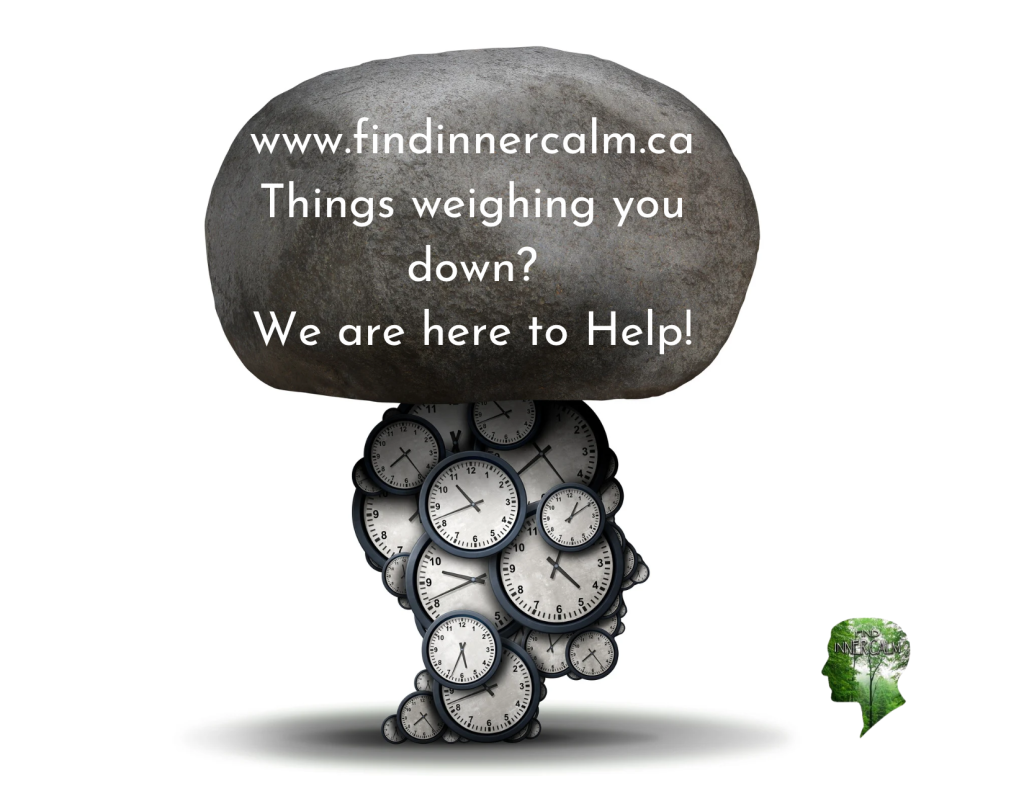
Burnout isn’t just about being busy or overworked. It’s a state of chronic emotional, cognitive, and physical depletion.
High-functioning burnout is more subtle. Instead of shutting down completely, you keep going—but at a cost. You push through exhaustion, override your own needs, and stay outwardly competent while feeling increasingly disconnected, overwhelmed, or flat.
Because you’re still functioning, it can be hard to recognize. And it’s often missed by others—and by yourself.
Get Support for Burnout, Stress, and Overthinking in Hamilton or Online Across Ontario
If you’re noticing these patterns and want support, therapy can help you respond differently to burnout, stress, and overthinking. Sessions are available in Hamilton (in-person) and online across Ontario, providing flexibility no matter where you are.
Evidenced based help is available. Book a consultation.
Common signs of high-functioning burnout
1. You feel mentally exhausted, even when you rest
You might get enough sleep, take time off, or try to relax—but the sense of fatigue lingers. This isn’t just physical tiredness. It’s a kind of cognitive and emotional fatigue where your mind feels constantly “on” (Maslach & Leiter, 2016).
2. You can’t turn your mind off
Your thoughts keep looping:
• replaying conversations
• anticipating problems
• analysing decisions
From an ACT perspective, this often reflects cognitive fusion—getting pulled into thoughts as if they require immediate or ongoing attention (Hayes, Strosahl, & Wilson, 2016).
3. You feel detached or less present
Going through the motions, feeling emotionally flat, or having less enjoyment in activities you used to care about. You’re still doing what needs to be done—but it feels more mechanical than meaningful (Schaufeli et al., 2009).
4. Small things feel disproportionately hard
Tasks that used to feel manageable—emails, decisions, basic planning—start to feel heavier. You might procrastinate more, feel overwhelmed more quickly, or avoid things you would normally handle (Ahola et al., 2014).
5. You’re more irritable or sensitive
When your system is overloaded, your window of tolerance narrows. You might snap more easily, feel overwhelmed by minor stressors, or have less patience than usual.
6. You keep pushing through, even when it’s not working
This is a key feature of high-functioning burnout. From an ACT lens, this can reflect experiential avoidance—trying to manage or escape internal discomfort by staying busy or productive (Hayes et al., 2016).
7. You feel stuck, even though you’re doing a lot
You’re active, productive, and engaged—but it doesn’t feel like you’re moving forward in a meaningful way. There can be a growing gap between what you’re doing and what actually matters to you.
Why this happens
High-functioning burnout often develops in people who are:
• conscientious and responsible
• used to being capable and self-reliant
• attuned to others’ needs
• motivated to do things “well”
Over time, this can lead to:
• consistently prioritizing external demands
• disconnecting from internal cues (fatigue, stress, limits)
• relying on productivity as a way to cope
In ACT terms, life can become organized around reducing discomfort, rather than moving toward what matters.
Why it’s easy to miss
Because you’re still functioning, it’s easy to minimize what’s happening. You might tell yourself:
• “I’m fine, I’m still getting things done”
• “Other people have it worse”
• “I just need to manage my time better”
Burnout isn’t just about performance. It’s about sustainability and wellbeing.
An ACT perspective: What actually helps
ACT doesn’t focus on eliminating stress or stopping difficult thoughts.
Instead, it helps you:
• notice what’s happening internally (without getting pulled into it)
• make space for thoughts and feelings, rather than fighting them
• reconnect with values—what actually matters to you
• take small, meaningful actions aligned with those values
This doesn’t mean doing less of everything. It means doing things more intentionally and sustainably.
When to consider getting support for stress and burnout
You don’t need to be completely burned out to benefit from support.
Consider talking to a psychologist or psychological associate if:
• exhaustion isn’t improving
• overthinking is constant or intrusive
• you feel increasingly disconnected or stuck
• usual coping strategies aren’t working
Sessions are available in Hamilton (in-person) or online across Ontario. Therapy provides a structured space to:
• understand what’s maintaining the burnout
• develop more flexible ways of responding
• reconnect with what matters to you
If you’re feeling stuck in patterns of burnout, stress, or overthinking, you don’t have to keep pushing through alone. Therapy can help you understand what’s maintaining these patterns and develop more flexible, sustainable ways of responding—so you’re not just coping, but actually feeling better.
→ Book a consultation in Hamilton or online across Ontario.
This is a simple first step towards an opportunity to explore what support might look like. No longer-term commitment is required.
Frequently Asked Questions
Is high-functioning burnout the same as depression?
Not exactly. There can be overlap (low energy, reduced motivation), but burnout is often more tied to chronic stress and overextension. A structured psychological assessment can help clarify what’s going on.
Can burnout happen even if I like my job or life?
Yes. Burnout isn’t just about dislike—it’s about sustained strain without adequate recovery or alignment with your needs and values.
Why can’t I just “relax” and fix this?
Because burnout isn’t just about needing rest. It often involves patterns of thinking and responding that keep your system activated, even when you’re trying to slow down.
Do I need to be in Hamilton to access therapy?
No. If you’re anywhere in Ontario, we offer secure online sessions, which can be just as effective for concerns like burnout, stress, and overthinking.
Will burnout go away on its own?
Sometimes short-term stress resolves with rest. But high-functioning burnout often persists or worsens without changes in how you’re relating to stress, thoughts, and expectations.
References
Ahola, K., Hakanen, J., Perhoniemi, R., & Mutanen, P. (2014). Relationship between burnout and depressive symptoms: A study using the person-centred approach. Burnout Research, 1(1), 29–37. https://doi.org/10.1016/j.burn.2014.03.003
Hayes, S. C., Strosahl, K. D., & Wilson, K. G. (2016). Acceptance and Commitment Therapy: The Process and Practice of Mindful Change (2nd ed.). Guilford Press.
Maslach, C., & Leiter, M. P. (2016). Understanding the burnout experience: Recent research and its implications for psychiatry. World Psychiatry, 15(2), 103–111. https://doi.org/10.1002/wps.20311
Schaufeli, W. B., Leiter, M. P., & Maslach, C. (2009). Burnout: 35 years of research and practice. Career Development International, 14(3), 204–220. https://doi.org/10.1108/13620430910966406
Prepared by Dr. Jennifer Barbera, PhD, Registered Psychologist
Dr. Jennifer Barbera PhD, C. Psych is a licensed psychologist with over 25 years of counselling experience. She has extensive clinical expertise supporting individuals and couples with anxiety, trauma, depression, addiction, and relationship challenges. Her work combines evidence-based approaches with practical strategies to help clients build resilience and improve well-being.