Proven Strategies for Managing Stress
Stress is a normal part of everyday life. However, when stress becomes chronic or unmanaged, it can significantly impact both mental and physical health. Learning how to manage stress effectively…

By Graduate student Maddalena Aiello.
Edited by Dr. Jennifer Barbera PhD, C. Psych
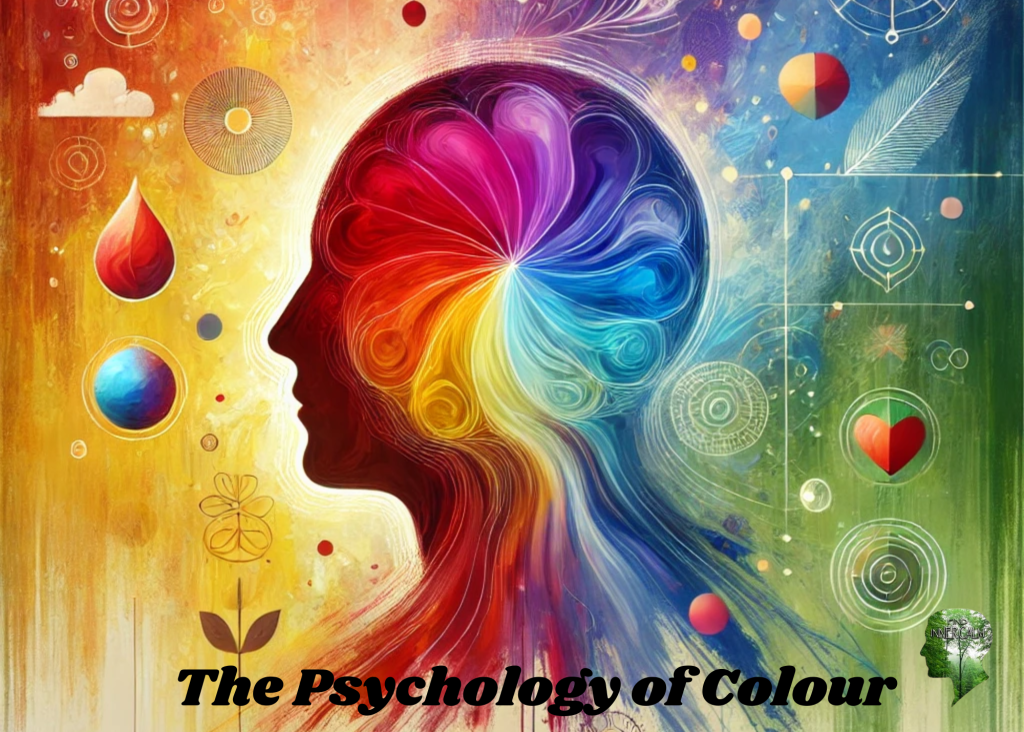
Have you ever noticed how certain colours can make you feel a certain way? Maybe a bright red room gets your heart racing, or a room with a calming blue sky blue puts you in a peaceful mood. This is no accident.
The colours we see every day actually have a strong influence on our thoughts, emotions, and actions. In the 2014 study Colour Psychology: Effects of Perceiving Colour on Psychological Functioning in Humans, researchers Andrew Elliot and Markus Maier dove deep into how different colours can affect our mental state and behaviour.
Colours are not just pretty or decorative—colours have a psychological impact on us. Elliot and Maier’s research shows that colours can trigger specific emotions and may influence how we think and act. For example, seeing the colour red can make us feel more alert or even stressed, while blue can make us feel calm and creative. This is why colours are important in areas like advertising, interior design, and even in a therapy room.
How Colours Affect Us
Red: Often associated with excitement, danger, or aggression, red tends to increase energy levels and attention. It can also raise stress or anxiety levels in certain situations, making it a great colour for energizing environments but not always the best for relaxation.
Blue: Known for its calming effects, blue can promote feelings of peace and relaxation. It’s often used in workspaces or bedrooms to create a soothing atmosphere and boost creativity or focus.
Yellow: This bright, cheerful colour is linked to happiness and optimism. It can improve focus and stimulate creativity, though too much yellow can also cause feelings of anxiety or agitation.
Green: A colour tied to nature and balance, green is often associated with calm and tranquility. It can have a positive effect on mental clarity and is often used in spaces where relaxation or concentration is important.
Black and White: These colours can convey power, sophistication, or simplicity. While black is often seen as bold and authoritative, it can also evoke feelings of sadness or isolation in some contexts. White, on the other hand, symbolizes cleanliness and purity, making it great for creating open and clear spaces.
The impact of colour goes beyond just visual appeal—it’s about how our brains process colours. Different colours can trigger emotional responses, which then influence our behaviour. For example, red might make us feel more competitive or excited, while blue might help us feel more at ease, allowing us to think more clearly.
However, it’s not just the colour itself that matters—context and culture also play a big role. Different cultures associate colours with various meanings, so how someone reacts to a colour can depend on their personal experiences and cultural background.
What colours have a positive impact on you? It can help to notice how you respond to different colours and then draw from what you notice if you are going to paint a room. Try to select a colour that will fit with how you want to feel in that room. Do you want to feel relaxed or energized?
Practical Uses of Colour Psychology
Understanding colour psychology isn’t just fun—it can be really helpful in real life. Here are a few ways we can apply this knowledge:
In Marketing: Brands use colour to create certain emotions and influence buying decisions. For example, fast food restaurants often use red or yellow because these colours can stimulate hunger and excitement. In the article Impact of Colours on the Psychology of Marketing—A Comprehensive Overview (2011) by Singh and Srivastava, the authors examine how colour influences consumer behaviour and marketing strategies. They explore the psychological effects of different colours on consumers’ emotions, perceptions, and purchasing decisions. The study suggests that colours play a significant role in creating brand identity, influencing emotions, and shaping how products are perceived.
In Interior Design: The colours in your home or office can help set the mood. Want to feel calm while working? Try blue or green. Want to create energy in a space? Go for bold reds or oranges. In the article Effects of Colour in Interior Design(2019) by Ćurĉić, Kekovic, Ranđelović, and Momcilović-Petronijevic, the authors examine how colour influences the psychological and emotional experience of interior spaces. They explore how different colours can affect mood, behaviour, and the perception of space. The study emphasizes that colour choice in interior design plays a crucial role in creating atmospheres that promote comfort, functionality, and well-being.
In Therapy: Colour is sometimes used in therapeutic settings to help people relax or feel more energized. For example, someone struggling with anxiety might benefit from spending time in a space with calming colours like soft blue or green. Colours have more power than we realize—they can influence how we feel, think, and act in many different situations. From the calming effects of blue to the energy boost of red, colour psychology shows that the hues around us are far from just decoration—they can shape our emotional well-being and behaviour. Whether you’re designing a room, choosing an outfit, or even considering your mental health, remember that colour might be playing a role in how you feel.
References
Ćurĉić, A., Kekovic, A., Ranđelović, D., & Momcilovic-Petronijevic, A. (2019). Effects of colour in interior design. Zbornik radova Građevinskog fakulteta, 35, 867-877.
Elliot, A. J., & Maier, M. A. (2014). Color psychology: Effects of perceiving colour on psychological functioning in humans. Annual review of psychology, 65(1), 95-120.
Singh, N., & Srivastava, S. K. (2011). Impact of colours on the psychology of marketing—A Comprehensive overview. Management and Labour Studies, 36(2), 199-209.