How to Find a Compatible Therapist: A Complete Guide
Finding a therapist who is the right fit for you can feel overwhelming. Not all therapists are alike — they differ in personality, therapeutic style, training, and approaches.
Choosing the right therapist is crucial for meaningful progress in therapy and long-term well-being.
Whether you are seeking a therapist in Hamilton or online therapy across Ontario, this guide will help you evaluate potential therapists and find one who meets your needs.
Why Therapist Compatibility Matters
A compatible therapist can make a significant difference in your therapy experience. Factors such as personality, counseling style, and modality can affect your comfort level, engagement, and outcomes.
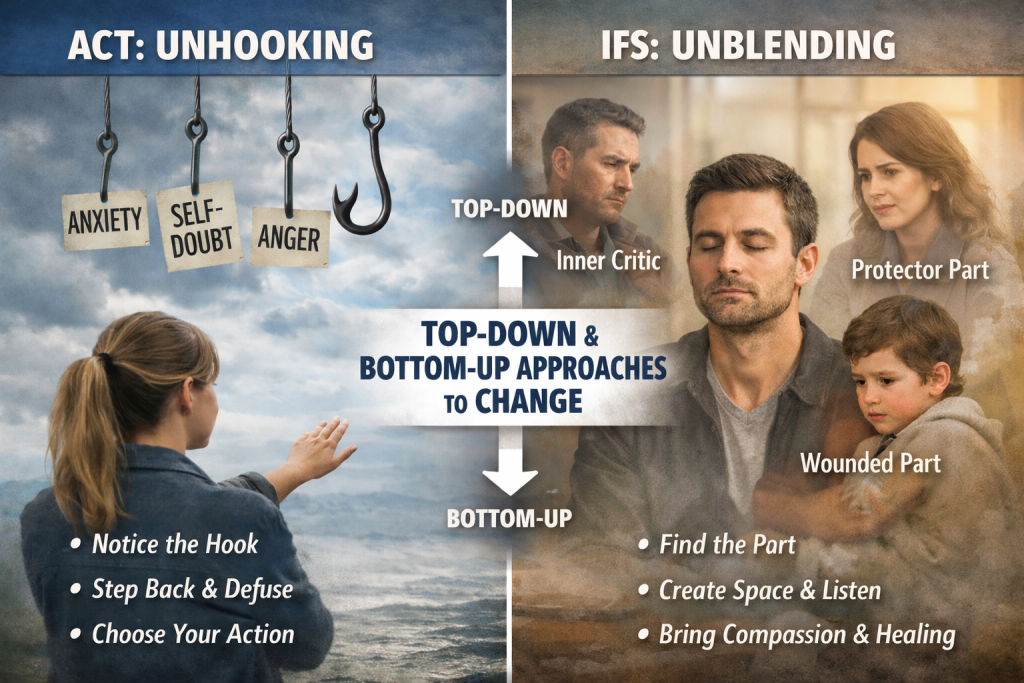
Therapists may use different approaches such as CBT, ACT, EFT, DBT, IFS, EMDR, psychodynamic therapy, or a number of other modalities and each client may respond differently to each approach. Choosing a therapist who aligns with your preferences and concerns is key. Choosing a therapist who is trained in a variety of approaches (in case one isn’t a good fit for you) is also highly recommended.
Step 1: Ensure the Therapist Is Reputable and Regulated
In Ontario, it’s important to choose a therapist in a regulated practice with a high standard of professionalism. Here’s what to consider:
• Supervision by a Registered Psychologist:
Ask if the therapist is supervised by a registered psychologist. Psychologists have extensive education and clinical training, which can be essential for diagnostic clarity and effective therapy. Some psychotherapy practices have less qualified new clinicians (who have been in the field less than a few years) supervising other very new clinicians. There is nothing wrong with seeing a newer clinician, but it is suggested to ensure they are closely supervised.
• Direct involvement of the supervising psychologist:
Inquire whether the supervising psychologist reviews intake information, contributes to the therapy plan, and provides ongoing supervision, as is the case at Dr. Barbera PhD’s practice.
• Frequency of supervision and consultation:
Ensure the therapist receives regular supervision (at least several hours a month) to maintain high-quality care.
• Physical office location:
Ask whether the therapist works in the same office as the supervising psychologist. In our practice we work in the same office.
• Ongoing clinical training:
A high-quality therapist continually updates their skills through advanced clinical training. This means some trainings with an experiential component, where the facilitator directly observes the clinician practising the modality in order to give feedback. Be cautious when the clinician only lists trainings over an online platform like PESI as these are not evaluated in the same way. Ask what trainings they have done with an experiential component.
Step 2: Consider Practical Factors
• Office location and accessibility:
Visit the office if possible. Check for a professional, comfortable setting, with easy parking, or transit accessibility.
• Online therapy availability:
Ask if online sessions are offered if in-person visits are difficult or if you live outside Hamilton.
• Professional online presence and reviews:
Look for therapists with a professional website and positive reviews. Look at the reviews in balance as sometimes someone could write a negative review because of personal factors or unrealistic expectations.
Step 3: Evaluate Experience and Areas of Focus
Not every therapist is suited to every issue. Ask:
• What is your main area of focus?
• Do you have experience with my specific concern?
• Are there issues or populations you do not work with?
A therapist should be transparent about their expertise and limitations.
Step 4: Assess Personal Fit
Therapy is most effective when you feel comfortable and understood. Consider:
• Gender preference: Do you prefer a male or female therapist?
• Counseling style: Do you want someone directive, challenging, or more neutral?
• Session structure: Do you want structured sessions or flexible discussion?
• Therapy modality: Some modalities like CBT or DBT involve homework and structured exercises, while others are more open-ended.
Ask the therapist about their counselling style and main therapeutic modality to ensure alignment with your needs.
Step 5: Research and Referrals
Don’t rely on a single source, especially a source that lists, dozens and dozens of therapists.
To find a compatible therapist:
• Ask friends, family, teachers, or colleagues for recommendations.
• Search online using terms like “highly rated therapist Hamilton” or “best psychologist Ontario.”
• Review therapist websites and bios to understand their training, experience, and approach.
Key Takeaways
Finding a compatible therapist involves:
1. Ensuring the therapist is regulated, was supervised for at least several years, and well-trained.
2. Considering practical factors like location, accessibility, and online options.
3. Evaluating their experience and focus areas.
4. Assessing your personal comfort and counselling style preference.
5. Doing thorough research and checking referrals.
By following these steps, you increase your chances of finding a therapist who is not only skilled but also a good fit for your personality, needs, and goals.
Reach out to us today to find out more about our therapists.
Prepared by Dr. Jennifer Barbera, PhD, Registered Psychologist
Dr. Jennifer Barbera PhD, C. Psych is a licensed psychologist with over 25 years of counselling experience. She has extensive clinical expertise supporting individuals and couples with anxiety, trauma, depression, addiction, and relationship challenges. Her work combines evidence-based approaches with practical strategies to help clients build resilience and improve well-being.