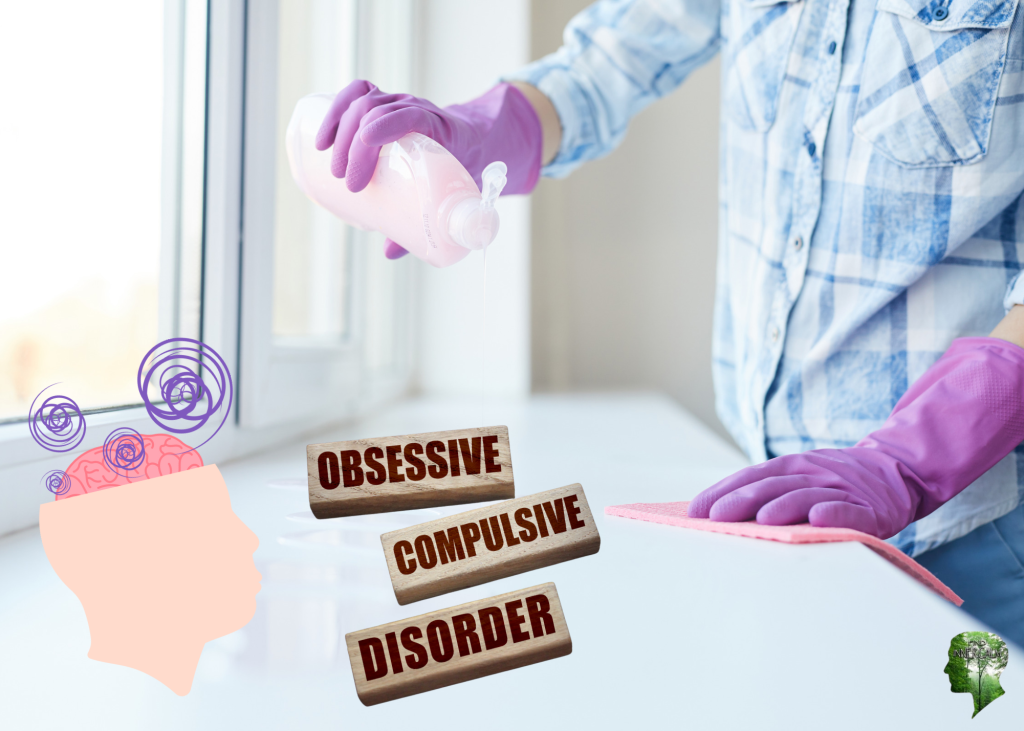
Coping with OCD: navigating the challenges of living with OCD
Obsessive-Compulsive Disorder (OCD): Symptoms, Impact, and Effective Coping Strategies
Obsessive-Compulsive Disorder (OCD) is a mental health condition that affects millions of people worldwide (Brock & Hany, 2024). OCD is characterized by intrusive, unwanted thoughts, images, or urges (obsessions) and repetitive behaviours or mental acts (compulsions) that individuals feel driven to perform in order to reduce anxiety or prevent a feared outcome.
Although these compulsions may provide temporary relief, they often reinforce the cycle of OCD, making symptoms, including anxiety, more intense and persistent over time. As a result, OCD can be highly distressing and debilitating, interfering with daily functioning, relationships, work, and overall quality of life.
The good news is that OCD is treatable. With evidence-based approaches and appropriate support, many people learn to manage their symptoms effectively and lead meaningful, fulfilling lives. In this article, we’ll explore what OCD is, outline common symptoms, and review research-supported coping strategies that can help reduce distress and regain a sense of control.
Understanding OCD: What Are Obsessions and Compulsions?
Obsessions are unwanted, intrusive thoughts, urges, or mental images that repeatedly enter a person’s mind. Common obsessions in OCD include fears of contamination, harm coming to oneself or others, and concerns about symmetry or perfection.
Sometimes, people with OCD focus on doubting whether they did something (especially something harmful or neglectful), questioning whether or not they might do something (e.g., jump out of a car), or even doubting their sexual orientation (this shows up differently than people who are genuinely working through identity issues).
Compulsions, on the other hand, are repetitive behaviours or mental acts that a person feels compelled to perform in response to their thoughts and obsessions.
Compulsive actions are aimed at reducing the distress caused by the obsessions. People who believe that the compulsion will somehow prevent a feared event. Some common compulsions include handwashing, checking, counting, and repeating certain words or phrases.
People with OCD have a brain that filters information differently:
Obsessive-Compulsive Disorder (OCD) involves altered brain circuitry, particularly in the areas related to decision-making, attention, and habit formation. Dysregulation in the orbitofrontal cortex, basal ganglia, and thalamus may contribute to repetitive thoughts and behaviours characteristic of OCD. Imbalances in neurotransmitters like serotonin also play a role in the condition. These neural abnormalities result in a heightened sensitivity to perceived threats, leading individuals to engage in compulsive rituals to alleviate anxiety.
The Vicious Cycle of OCD:
OCD often creates a vicious cycle for people. When individuals with OCD experience obsessive thoughts, they feel intense anxiety and discomfort. In an attempt to relieve this distress, they engage in compulsions.
Initially, the compulsions might provide temporary relief, reinforcing the belief that these behaviours are necessary. However, the relief is short-lived, and the OCD cycle perpetuates itself. Over time, OCD can become increasingly time-consuming and disruptive to a person’s life.
Common Symptoms of OCD:
OCD can manifest in various ways, and its symptoms can vary from person to person. Here are some common ways that OCD symptoms manifest for people:
Contamination Obsessions and Cleaning Compulsions: Individuals with this subtype fear germs or contamination and engage in excessive cleaning, washing, or avoiding situations they perceive as dirty.
Checking Obsessions and Compulsions: People with this subtype obsessively worry about harm or danger, leading them to check things like locks, stoves, or appliances repeatedly.
Hoarding: Hoarding involves the compulsive accumulation of objects, often leading to extreme clutter and difficulty discarding items, even if they are worthless.
Symmetry and Ordering Obsessions and Compulsions: Some individuals obsess over symmetry, order, or exactness and engage in repetitive behaviours to achieve these ideals.
Harm Obsessions: Individuals with harm obsessions fear causing harm to themselves or others, and they might engage in mental rituals or avoidance behaviours.
Intrusive Sexual or Violent Thoughts: Some people with OCD experience distressing sexual or violent thoughts that are against their moral or ethical values.
Tips for Coping with OCD:
Coping with OCD involves a combination of 1) therapeutic approaches, 2) lifestyle changes, and 3) self-help strategies.
Here are some therapeutic approaches to help individuals manage OCD effectively:
Seek Professional Help
The first step in coping with OCD is to seek professional assistance. A mental health professional, such as a psychologist or a psychiatrist, can provide an accurate diagnosis and create a tailored treatment plan.
Treatment options for OCD:
Cognitive-behavioural Therapy (CBT): CBT, specifically a form called Exposure and Response Prevention (ERP), is often considered the gold standard treatment for OCD. ERP involves gradually exposing individuals to their obsessions without engaging in compulsions. Over time, this helps reduce the anxiety associated with the obsessions through a process known as “habituation.” This approach is beneficial for certain types of obsessions, such as contamination fears.
Challenge Negative Beliefs: Individuals with OCD often hold irrational beliefs that fuel their obsessions and compulsions. In therapy, people are often assisted to challenge and reframe these negative beliefs. This cognitive restructuring can be a powerful tool in managing OCD, especially coupled with behavioural methods such as ERP.
Acceptance and Commitment Therapy (ACT): ACT can be used to help alleviate OCD symptoms by teaching individuals how to use mindfulness and acceptance-based strategies to change the way they respond to their thoughts and obsessions. Some individuals are more likely to actively engage with this gentler approach to working on their OCD symptoms.
Other Psychotherapy approaches: Regardless of the approach taken, it can be crucial to precisely identify the main fear underlying the OCD obsessions and then actively work on that fear, ideally through a combination of Socratic dialogue, working on the origins of that fear (especially in cases of earlier trauma), and ultimately reality testing the fear. Enhanced coping strategies can be taught to assist in this process. IFS dialogue can also be used to help individuals attain a greater sense of “space” from their obsessive fears and associated compulsions.
Medication: Antidepressant medications, particularly selective serotonin reuptake inhibitors (SSRIs), can be prescribed by a physician to help alleviate the symptoms of OCD. A family doctor or psychiatrist can evaluate if medication is a suitable option and, if so, provide appropriate prescriptions.
Psycho-education
Understanding OCD is crucial for individuals and their families. Learning about the disorder, its symptoms, and its treatment options can help reduce stigma and increase awareness. This knowledge empowers individuals with OCD to participate in their treatment and seek appropriate support actively. To assist with your knowledge of OCD, seek out information guides.
Here are some Self-Help Strategies to manage OCD:
While professional treatment is essential for severe OCD, there are several self-help strategies individuals with OCD can incorporate into their daily lives to help manage their symptoms:
Mindfulness Meditation: Mindfulness techniques can help individuals become more aware of their thoughts and feelings without judgment. This practice can reduce anxiety and help individuals minimize distress related to their obsessions and compulsions.
Stress Management: Learning stress-reduction techniques, such as deep breathing exercises, progressive muscle relaxation, and yoga, can help individuals with OCD manage stress. Stress is a common trigger for symptoms.
Establish a Routine: Creating a structured daily routine can help individuals feel more in control and reduce the time available for obsessions and compulsions.
Keep a Journal: Keeping a journal to track obsessions, compulsions, and anxiety levels can help individuals identify patterns and triggers. This information can be valuable for therapy.
Maintain a Support System: Building a support system is vital for individuals with OCD. Friends and family who are aware of the condition can offer understanding and encouragement. Support groups, both in-person and online, provide a safe space for sharing experiences and coping strategies with others who have OCD.
Metaphors: In coping with OCD, it’s important to try and remember that your brain may be wired to trigger an alarm response when a threat is not actually present. Instead of a thought getting labelled as “junk” and filtered out, an OCD-wired brain is more likely to label the thought as a threat and trigger the alarm response. Remembering this and thinking of a “false alarm” metaphor can help hold space when you get caught in an OCD loop or cycle.
Certain lifestyle changes can support individuals in managing their OCD:
a. Adequate Sleep: Prioritizing good sleep hygiene is crucial, as fatigue can exacerbate OCD symptoms.
b. Healthy Diet and Exercise: Eating well and staying physically active can help reduce anxiety and improve overall well-being.
c. Limit Alcohol and Caffeine: Both alcohol and caffeine can exacerbate anxiety and OCD symptoms. Reducing or eliminating their consumption may be beneficial.
Coping with OCD can be a lifelong journey that requires patience, persistence, and support. While OCD can be challenging to manage, individuals with the condition can lead fulfilling lives by seeking professional help, incorporating self-help strategies, and building a strong support system. Remember that treatment is highly effective, and many people with OCD go on to experience significant symptom reduction and improved quality of life.
If you or someone you know is struggling with OCD, don’t hesitate to reach out to us such as our psychology practice for guidance and support. With the right resources and strategies, there is hope for a brighter future free from the constraints of obsessive-compulsive disorder.
References:
Evey, K. J., & Steinman, S. A. (2023). A systematic review of the use of acceptance and commitment therapy to treat adult obsessive-compulsive disorder. Behaviour Therapy, 54(6), 1006–1019. https://doi.org/10.1016/j.beth.2022.02.009
Prepared by Dr. Jennifer Barbera, PhD, Registered Psychologist
Dr. Jennifer Barbera PhD, C. Psych is a licensed psychologist with over 25 years of counselling experience. She has extensive clinical expertise supporting individuals and couples with anxiety, trauma, depression, addiction, and relationship challenges. Her work combines evidence-based approaches with practical strategies to help clients build resilience and improve well-being.