
Proven Strategies for Managing Stress
Stress is a normal part of everyday life. However, when stress becomes chronic or unmanaged, it can significantly impact both mental and physical health. Learning how to manage stress effectively…

In this Psychology Blog post: Learn what emotional literacy is and why it matters. Improve self-awareness, relationships, and mental health through understanding and managing emotions effectively.
What is Emotional Literacy and Why It Matters
In today’s fast-paced, digitally connected world, the importance of emotional literacy has never been greater. Many of our interactions happen through screens rather than face-to-face, making the ability to understand and manage emotions more essential than ever.
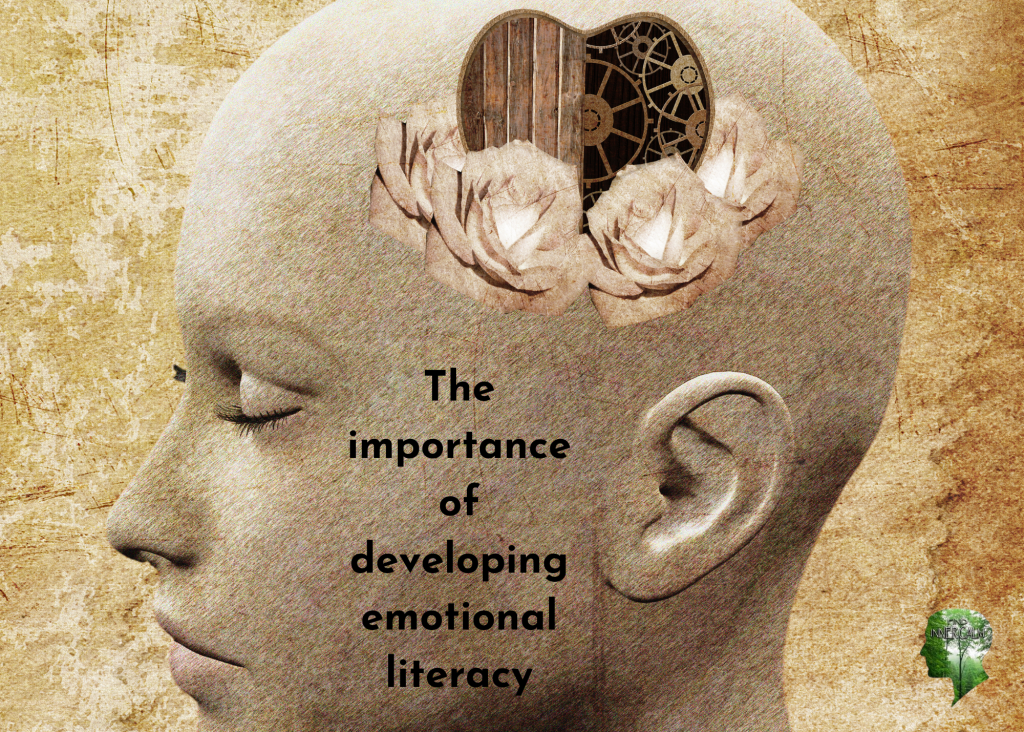
Emotional literacy is the capacity to recognize, understand, express, and regulate emotions in ourselves and others. It goes beyond simply knowing how we feel—it involves using this awareness to navigate relationships, handle daily challenges, and support overall mental health. Developing emotional literacy can enhance self-awareness, improve communication, and foster healthier personal and professional connections.
Why Emotional Literacy Matters:
Enhanced Communication
Emotional literacy allows us to articulate our feelings clearly. When we can express ourselves effectively, it reduces misunderstandings and fosters healthier communication in our relationships—whether with friends, family, or colleagues. For instance, instead of saying, “I’m upset,” you might express, “I feel overlooked because my ideas weren’t acknowledged in the meeting.” This clarity encourages dialogue and mutual understanding.
Improved Relationships
Understanding emotions deepens our empathy, enabling us to connect with others on a more profound level. When we recognize not just our own emotions but also those of others, we can respond with compassion and support, which strengthens our bonds. Research has shown that people with high emotional literacy are often more effective at forming and maintaining relationships, as they can navigate the emotional landscape of their social interactions.
Better Conflict Resolution
Emotions can often escalate conflicts if not managed properly. By developing emotional literacy, we can identify the underlying feelings driving a disagreement, helping us address the root cause rather than just the symptoms. For example, if someone is acting defensively, recognizing that their behavior may stem from fear or insecurity allows for a more constructive approach to resolving the issue. In fact this is often art of the approach used in couples counselling to change conflict patterns and help resolve resentments and relationship ruptures.
Increased Emotional Resilience
Life is full of ups and downs. Emotional literacy equips us with the tools to cope with stress and adversity. When we can acknowledge our emotions, we can process them healthily and constructively. This resilience not only helps us weather personal storms but also allows us to support others during difficult times, creating a ripple effect of emotional strength in our communities.
Personal Growth
Understanding our emotional triggers and patterns fosters self-awareness. This self-awareness is essential for personal development, helping us to cultivate a growth mindset and strive for our goals. By recognizing what emotions motivate us or hold us back, we can make more informed choices about our actions and reactions.
According to the Emotional Literacy Index (ELI), emotional literacy encompasses several dimensions, including emotional awareness, emotional expression, empathy, and emotional regulation. The ELI emphasizes that developing these skills can significantly impact our interpersonal relationships and overall well-being.
Emotional Awareness
This involves recognizing and understanding your emotions and the emotions of others. By improving our emotional awareness, we can better navigate complex social situations. Being attuned to our feelings helps us respond appropriately to various stimuli, whether in personal or professional contexts.
Emotional Expression
Effectively communicating our feelings is crucial. The ELI highlights that being able to express emotions appropriately leads to healthier interactions and reduces the likelihood of emotional outbursts. Learning to convey feelings in a constructive manner can transform potentially volatile situations into opportunities for growth and understanding.
Empathy
This is the ability to put ourselves in others’ shoes. The ELI suggests that cultivating empathy is vital for building strong relationships and communities, as it fosters connection and understanding. Empathy allows us to appreciate different perspectives and enhances our ability to support others in meaningful ways.
Emotional Regulation
This involves managing our emotional responses to various situations. Learning to regulate our emotions can help us remain calm under pressure and respond thoughtfully rather than react impulsively. Techniques such as deep breathing, mindfulness, and cognitive reframing can significantly enhance our emotional regulation skills.
The Power of Labeling Emotions
One practical technique to enhance emotional literacy is the act of labeling emotions. According to insights from The Art of Manliness, labeling your feelings can lead to better emotional control.
When you name an emotion, you create distance between yourself and the feeling, allowing for clearer thinking and more measured responses. This practice can help reduce anxiety and improve decision-making.
Here are 3 tips for enhancing your ability to recognize & name emotions:
1. Identify and Name Your Emotions: Instead of saying you’re “feeling bad,” try to identify the specific emotion—are you angry, sad, frustrated, or anxious? The more accurately you can label your feelings, the more effectively you can address them. This process not only clarifies your emotional state but also aids in identifying potential solutions.
2. Use a Feelings Wheel: Consider using tools like a feelings wheel, which can help you discover more nuanced emotions beyond basic terms like happy or sad. This can expand your emotional vocabulary and deepen your self-understanding, making it easier to communicate your feelings to others.
3. Practice Mindfulness: Mindfulness exercises can help you become more aware of your emotions as they arise, making it easier to label and manage them before they escalate. Mindfulness can also create space for reflection, allowing you to respond rather than react impulsively.
Emotional literacy is not just a personal asset; it’s a crucial skill for fostering healthy relationships and creating a supportive community. By understanding and managing our emotions—and those of others—we can navigate life’s challenges with greater ease and compassion. Start today by reflecting on your emotional experiences, leveraging the insights from the Emotional Literacy Index, and practicing the power of labeling emotions.
Investing in emotional literacy not only enhances your well-being but also enriches your relationships, creating a ripple effect that can positively impact those around you. As you develop these skills, you may find that not only do your personal connections deepen, but you also contribute to a more empathetic and understanding world.
If you want assistance in developing your emotional literacy reach out today for a therapy appointment. A therapist can assist you by helping you understand how your system handles and navigates emotions, and provide you with concrete exercises to develop your emotional awareness and skills.
Written by MA Psychology Graduate Student Maddalena Aiello.
Edited by Dr. Jennifer Barbera PhD. C. Psych.
References:
Hein, S. (2013). Emotional literacy. Art of Manliness. (n.d.). Labeling emotions for better control.
TheraPlatform. (n.d.). What is emotional literacy?