
Proven Strategies for Managing Stress
Stress is a normal part of everyday life. However, when stress becomes chronic or unmanaged, it can significantly impact both mental and physical health. Learning how to manage stress effectively…

Tips for First Responders in Taking a Proactive Approach to Psychological Fitness & Enhanced Well-being. By Dr. Jennifer Barbera PhD, C. Psych.
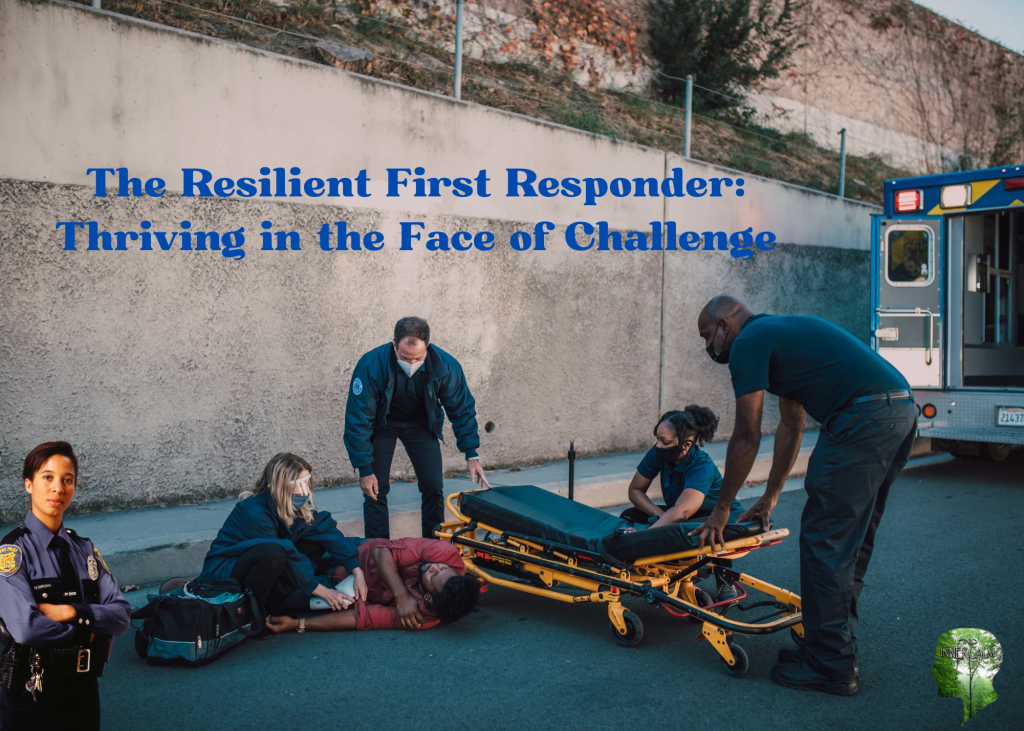
First responders face unique challenges unlike those in almost any other profession. The work is demanding, unpredictable, and often carried out under high-stakes conditions where safety and public trust are on the line.
While many first responders take pride in their role as protectors and problem-solvers, the job also exposes them to repeated stress, trauma, and emotionally charged situations that can accumulate over time. These experiences can affect mood, well-being, and overall functioning both on and off duty.
Recognizing this reality and adopting a proactive approach to mental health is not a sign of weakness—it is an essential component of professional readiness and long-term resilience.
The Unique Challenges of Policing & Other First Responder Work
First responder work requires officers to make rapid decisions under conditions of uncertainty, often in environments that involve conflict, risk of harm, or exposure to traumatic events. First responders may encounter severe accidents, acts of violence, or vulnerable individuals in crisis. Repeated exposure to such situations can contribute to trauma-related impacts such as increased hypervigilance, emotional numbing, irritability, low mood and sleep disturbances.
The culture in first responder settings such as policing and fire rescue often emphasizes toughness, control, and service to others before self. While these values are important for operational effectiveness, they can sometimes discourage officers from acknowledging their own needs. Over time, unaddressed stress and trauma can affect performance, relationships, and even physical and mental health. What begins as subtle changes—withdrawal from colleagues, increased irritability at home, or loss of interest in activities once enjoyed—can grow into significant mental health concerns if left unchecked.
The Importance of Proactive Monitoring
Given these challenges, waiting until problems become overwhelming is not an effective strategy. Instead, first responders benefit from a proactive approach to monitoring their well-being. This means regularly checking in with oneself and being alert to changes in mood, behavior, or functioning.
Some practical self-monitoring strategies include:
Awareness of shifts in mood: noticing increases in anger, irritability, or sadness.
Tracking energy and motivation: identifying when fatigue or lack of interest becomes persistent.
Monitoring relationships: observing if you are withdrawing from colleagues, family, or friends.
Recognizing changes in coping behaviours: such as increased alcohol use, overeating, or isolating.
When these changes are detected early, officers can take steps to course-correct—whether through stress management practices, peer support, or professional resources. Proactive monitoring is not about being hyper-focused on every fluctuation but about recognizing meaningful patterns that suggest stress is taking a toll.
One of the most effective ways to recognize patterns early is to establish a baseline of current functioning and symptoms by setting up an initial appointment with a psychologist who has the unique training and experience to set you up for success with this.
Developing Psychological Flexibility
Aside from establishing a baseline, one of the most powerful skill sets first responders can develop to enhance resilience against trauma-related impacts is psychological flexibility. This concept, central to Acceptance and Commitment Therapy (ACT), refers to the ability to remain present, adapt to difficult thoughts and emotions, and continue to take purposeful action aligned with one’s values.
For first responders, psychological flexibility includes several core components:
Present-moment awareness – Remaining grounded in the here and now, rather than being pulled excessively into past calls or future worries. There are specific practices that can help strengthen this skill.
Acceptance of internal experiences – Stressful thoughts and emotions are an inevitable part of policing. Flexibility involves noticing and making room for these experiences rather than fighting against them or denying them, which often amplifies distress.
Defusion from thoughts – Officers often encounter intrusive thoughts like “I should have done more”. Defusion means noticing these thoughts without becoming entangled in them, treating them as mental events rather than absolute truths.
Values-driven action – Clarifying core values, such as service, integrity, or family, provides a compass when stress is high. Choosing actions guided by values ensures that officers stay connected to what matters most, even under pressure.
Self-as-context – Seeing oneself as more than the sum of difficult experiences. This perspective helps officers recognize that while they may encounter trauma, they are not defined by it. Specific practices can help officers stay connected to themselves as their system adapts to challenges they face.
Enhancing Resilience in First Responders
By combining proactive monitoring of well-being with the development of psychological flexibility skills, first responders can increase their capacity to manage stress, recover from setbacks, and sustain a healthy, fulfilling career.
Ultimately, the goal is not to eliminate stress or avoid difficulty—that is impossible in the line of duty. Instead, resilience in first responder work means equipping officers with the tools to navigate challenges effectively, maintain personal well-being, and continue to serve their communities with strength and compassion.
Dr. Jennifer Barbera C. Psych and her team of clinicians have specific training and experience to assist with screening and assessment of PTSD and trauma-related concerns. This practice has focused on developing therapeutic approaches to meeting the unique needs and challenges of first responders at any stage. Reach out today and learn more about the difference this could make in your both your career and personal life.
Prepared by Dr. Jennifer Barbera, PhD, Registered Psychologist
Dr. Jennifer Barbera PhD, C. Psych is a licensed psychologist with over 25 years of counselling experience. She has extensive clinical expertise supporting individuals and couples with anxiety, trauma, depression, addiction, and relationship challenges. Her work combines evidence-based approaches with practical strategies to help clients build resilience and improve well-being.