
Proven Strategies for Managing Stress
Stress is a normal part of everyday life. However, when stress becomes chronic or unmanaged, it can significantly impact both mental and physical health. Learning how to manage stress effectively…

Understanding Grief: Stages, Symptoms, and Paths Toward Healing
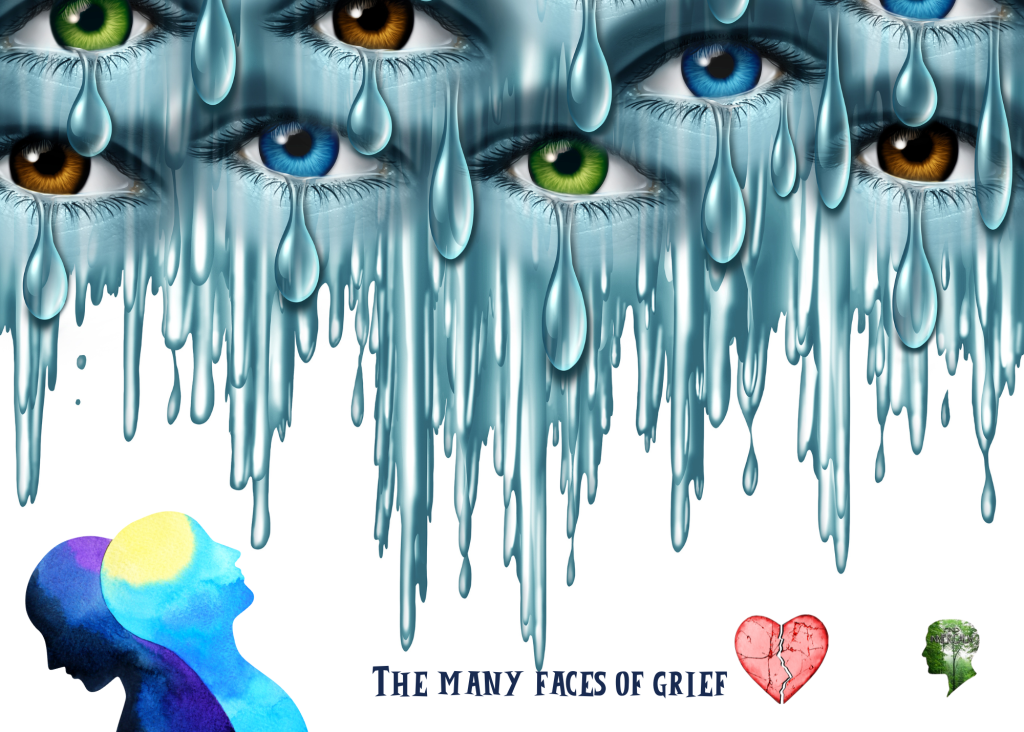
Grief is a universal human experience that every person will encounter at some point in their life. Whether the loss is sudden or anticipated, tangible or intangible, grief can profoundly affect emotional well-being, physical health, relationships, and one’s sense of meaning.
Although grief is often associated with death, it can arise from any significant loss, making it a deeply personal and multifaceted process.
Grief is best understood as a natural emotional response to loss. It encompasses a wide range of emotions, thoughts, and physical sensations that emerge when something or someone important is no longer present.
These reactions may include sadness, longing, anger, guilt, numbness, confusion, fatigue, changes in sleep or appetite, and difficulty concentrating. There is no single “right” way to grieve, and each person’s experience is shaped by their history, relationships, culture, and circumstances.
Because grief affects people differently, it often unfolds in waves rather than stages, with moments of intense sorrow alternating with periods of relative calm. While many people are familiar with the idea of stages of grief, modern research emphasizes that grief is non-linear and does not follow a fixed timeline. Understanding this can help normalize the experience and reduce the pressure to “move on” before one is ready.
Grief is a shared human experience, touching people of all ages, cultures, and backgrounds. It can result from many types of loss, including:
• The death of a loved one
• The end of a relationship or marriage
• Pregnancy loss or infertility
• Loss of health, identity, or independence
• Career changes, retirement, or financial loss
• Relocation or loss of community
In this blog post, we’ll explore what grief is, how it commonly shows up emotionally and physically, common misconceptions about the grieving process, and practical, compassionate ways to support healing and find moments of hope amid sorrow.
Types of Loss that can cause feelings of grief:
Death of a Loved One: Perhaps the most well-known form of grief is losing a family member, friend, or pet. The death of someone close can trigger intense emotions and a sense of emptiness.
End of a Relationship: Grief can also stem from the end of a romantic partnership or a close friendship. The emotional toll of separation, divorce, or the drifting apart of friends can be deeply felt. See our previous blog on coping with a break-up.
Loss of Health: A diagnosis of a severe illness or the decline in one’s health can lead to a sense of loss as individuals grapple with the changes in their abilities and lifestyles.
Job Loss or Financial Struggles: Losing a job or facing financial hardship can result in grief due to disrupting one’s sense of security, identity, and routine.
Miscarriage or Infertility: Many individuals and couples experience grief when they encounter difficulties with fertility or face the loss of a pregnancy.
Loss of a Dream or Aspiration: Grief isn’t limited to tangible losses. It can also emerge from the inability to achieve a long-held dream or goal, such as abandoning a career path or a creative endeavour.
How Does Loss Impact People?
Emotional Responses: Grief often involves a rollercoaster of emotions. These can range from profound sadness, anger, guilt, and anxiety to feelings of numbness, confusion, and even relief, particularly when a loved one has been suffering.
Cognitive Effects: Grief can affect one’s ability to think clearly. Individuals may experience difficulties with concentration, memory, and decision-making.
Physical Symptoms: Grief can be physically taxing, leading to fatigue, changes in appetite and sleep patterns, headaches, and digestive issues.
Behavioural Changes: People in grief may exhibit changes in their behaviour. They may withdraw from social activities, have difficulty maintaining daily routines, or engage in unhealthy coping mechanisms like substance abuse.
Spiritual and Existential Questions: Grief often prompts individuals to ponder deep existential and spiritual questions. They may grapple with the meaning of life, the afterlife, or issues with unfairness.
Social Impact: Grief can strain relationships. Some friends and family may not know how to support the grieving person, leading to isolation and loneliness.
What Can People Who Are Grieving Expect?
Grief is not a linear process and does not adhere to a strict timeline. It is highly individualized, with each person experiencing and expressing grief uniquely.
Although the exact course grief takes varies across people, some models and theories attempt to describe the grieving process. For example, the Five Stages of Grief proposed by Elisabeth Kübler-Ross include: 1) denial, 2) anger, 3) bargaining, 4) depression, and 5) acceptance (Tyrell et. al., 2023).
It’s important to note that not everyone will go through all these stages, and they may not occur in a specific order. Over time, grief can change and evolve. What begins as intense and overwhelming feelings may gradually become more manageable. Sometimes, the feelings of loss never entirely disappear. Grief becomes a part of one’s life story, influencing one’s perspectives, values, and priorities.
Why Is Grief So Painful?
Grief is a harrowing and complex emotional experience for several reasons, rooted in psychological and physiological factors. Understanding why grief is so painful can help individuals and those around them navigate this challenging process with greater empathy and awareness.
Here are some key reasons why grief is so painful:
Attachment and Loss: Grief is fundamentally tied to the human capacity for attachment. When we form close bonds with others, whether through relationships, friendships, or familial ties, we develop emotional connections and dependencies. The pain of grief arises from the profound sense of loss when those attachments are severed through death, separation, or any form of significant change. The stronger the attachment, the more intense the grief.
Emotional Complexity: Grief is not a single emotion but a complex blend of various feelings. It encompasses sadness, anger, guilt, fear, regret, and even relief in certain circumstances. This emotional complexity can make grief overwhelming and challenging to process.
Unpredictability: Grief is unpredictable. It can strike at any moment, triggered by a memory, a place, a smell, or seemingly random stimuli. This unpredictability can leave individuals constantly on edge, never knowing when their emotions might overwhelm them.
Physical Manifestations: Grief does not just effect our emotions; it can also manifest physically. People in grief may experience fatigue, headaches, digestive issues, muscle tension, and changes in sleep patterns. These physical symptoms add to the overall burden of pain.
Cognitive Impacts: Grief can impact cognitive functioning. Individuals may have difficulty concentrating, making decisions, or remembering important details. This mental fog can create additional stress and frustration.
Loss of Identity: The death of a loved one or a significant life change can challenge one’s sense of self and identity. People often define themselves in relation to their relationships, roles, and routines. When these are disrupted or lost, it can lead to a profound sense of emptiness and identity crisis.
Unresolved Issues: Grief can bring to the surface unresolved issues and emotions. People may grapple with guilt, regret, or anger, intensifying their pain.
Social Isolation: Grief can lead to social isolation. While some friends and family members may be supportive, others may struggle to understand or provide comfort. This isolation can exacerbate feelings of loneliness and abandonment.
Fear of the Future: Grief often comes with a fear of an uncertain future. When a loved one is lost, there may be concerns about navigating life without their presence and support.
Longing and Nostalgia: Grief is often accompanied by a deep sense of longing for the person, thing or role that was lost. People may replay memories and wish for moments that can never be recaptured, intensifying the pain of the present.
Lack of Closure: In some cases, grief may be more painful when there is a lack of closure. Unresolved questions or unresolved conflicts with the deceased can make it challenging to find emotional resolution.
Ambiguity: In situations like ambiguous loss (e.g., a missing person or a loved one with Alzheimer’s), the uncertainty and lack of closure can prolong and intensify grief.
Complicated Grief:
When a loss involves elements such as the loss being ambiguous or involving stigma (e.g., deaths caused by drugs or suicide, the death of someone you don’t have an acknowledged open relationship with, loss from adoption break-down, etc.), people can develop a more complicated form of grief.
People develop complicated grief when the loss is particularly complex or when the person is not openly validated and well-supported in their loss. Complicated grief is when a person’s suffering becomes even more intense or prolonged. Complicated grief is often accompanied by hopelessness, isolation, and an inability to move forward (Shear, 2012).
How Does a Person Overcome Grief?
It’s essential to recognize that grief is a natural and healthy response to loss. It is not something to be “fixed” or “cured” but something to be navigated and processed over time to help promote healing. It is a journey that unfolds at its own pace and often lingers long after the initial loss.
The intensity of grief can vary widely from person to person and from one loss to another. Providing a safe and supportive environment for individuals to express their feelings, share their stories, and seek help if needed is crucial in the healing process. Understanding the different facets of grief is essential in providing support to those who are grieving and in our own healing processes.
Healing from grief often involves seeking support from friends and family or professional therapists and counsellors. It also entails self-compassion, patience, and a willingness to embrace pain as an integral part of the human experience. While grief may never entirely subside, with time, it can transform into a source of strength, wisdom, and a deeper appreciation for the beauty of life and the connections we share with others.
The Importance of Allowing Yourself to Grieve
One common misconception about grief is that it should be hidden or suppressed. Society often pressures individuals to put on a brave face, return to normalcy, and avoid expressing their sorrow openly. However, avoiding feelings of grief can be detrimental to one’s mental and emotional well-being. Instead, consider these essential approaches to working through feelings of grief:
Acknowledgment: The first step in healing from grief is acknowledging it. Suppressing grief can lead to long-term emotional and physical health issues. It’s okay to feel sadness, anger, and pain.
Expressing Emotions: Permit yourself to express your emotions. Whether talking to a friend, writing in a journal, or seeking professional counselling, finding healthy outlets for your feelings is essential.
Self-Compassion: Treat yourself with kindness and compassion during this difficult time. Understand that grief is a natural response to loss, and there is no “right” way to grieve.
Avoid Comparisons: Everyone’s grief journey is unique. Avoid comparing your grief to others or expecting yourself to conform to a specific timeline. Healing takes time, and there is no rush.
Coping Strategies To Help Ease Grief:
While grief cannot be rushed or avoided, some strategies can help individuals navigate the grieving process more effectively.
Support System: Lean on your support system. Family and friends can provide a sense of connection and understanding during this challenging time.
Support Groups: Sometimes only someone else who has been through a similar loss and understand you or make you feel less alone. Consider seeking out an appropriate bereavement group.
We find sometimes people hesitate to attend a support group, but those who do often report them to be extremely invaluable to their healing journey. People also meet longtime supportive friends. Look for bereavement groups in Ontario.
Self-Care: Prioritize self-care activities that nurture your physical and emotional well-being. Self-care can include exercise, mindfulness, meditation, and getting adequate rest.
Seek Professional Help: If grief becomes overwhelming or prolonged, it may be necessary to seek the guidance of a therapist or counsellor specializing in grief and loss.
Create a Memorial: Honoring the memory of the person or thing you’ve lost can be a healing experience. This could involve creating a scrapbook, planting a tree, or volunteering in their name.
Set Realistic Goals: Grief can make even the simplest tasks feel daunting. Set realistic goals for yourself and celebrate small achievements.
Finding Hope and Meaning
While grief is a profound and often painful experience, it can also be an opportunity for growth and transformation. Amid sorrow, individuals can discover newfound strength, resilience, and a deeper appreciation for life.
The Ripple Effect: Recognize that the love and memories shared with the person or thing you’ve lost continue to impact your life positively. The ripples of their influence extend far beyond their physical presence.
Legacy: Consider the legacy you want to create in honour of your loved one. Fulfilling a legacy could involve pursuing a passion, helping others, or advocating for a cause that was important to them.
Meaning-Making: Seek to find meaning in your grief journey. It can lead to personal growth and a greater sense of purpose.
Remember that grief is an inevitable part of the human experience. It is a complex and deeply personal emotion that can be challenging to navigate. Understanding its various forms, allowing yourself to grieve, and seeking support are essential steps in healing.
While grief is undoubtedly painful, it is also a testament to the depth of human connection and love. Grief reminds us of the importance of cherishing our relationships, living in the present, and finding ways to honour and remember those we have lost.
Over time, with support and self-compassion, many individuals find ways to integrate their grief into their lives and discover a renewed sense of purpose and meaning. While grief never truly disappears, it can evolve into a source of strength and resilience, ultimately leading to a renewed sense of hope and purpose in life.
Remember, we are here to help. Contact us if you would like support.
Prepared by Dr. Jennifer Barbera, PhD, Registered Psychologist
Dr. Jennifer Barbera PhD, C. Psych is a licensed psychologist with over 25 years of counselling experience. She has extensive clinical expertise supporting individuals and couples with anxiety, trauma, depression, addiction, and relationship challenges. Her work combines evidence-based approaches with practical strategies to help clients build resilience and improve well-being.
References:
Shear MK. Grief and mourning gone awry: pathway and course of complicated grief. Dialogues Clin Neurosci. 2012 Jun;14(2):119-28. doi: 10.31887/DCNS.2012.14.2/mshear. PMID: 22754284; PMCID: PMC3384440.
Tyrrell P, Harberger S, Schoo C, et al. Kubler-Ross Stages of Dying and Subsequent Models of Grief. [Updated 2023 Feb 26]. In: StatPearls [Internet]. Treasure Island (FL): StatPearls Publishing; 2023 Jan