
Proven Strategies for Managing Stress
Stress is a normal part of everyday life. However, when stress becomes chronic or unmanaged, it can significantly impact both mental and physical health. Learning how to manage stress effectively…

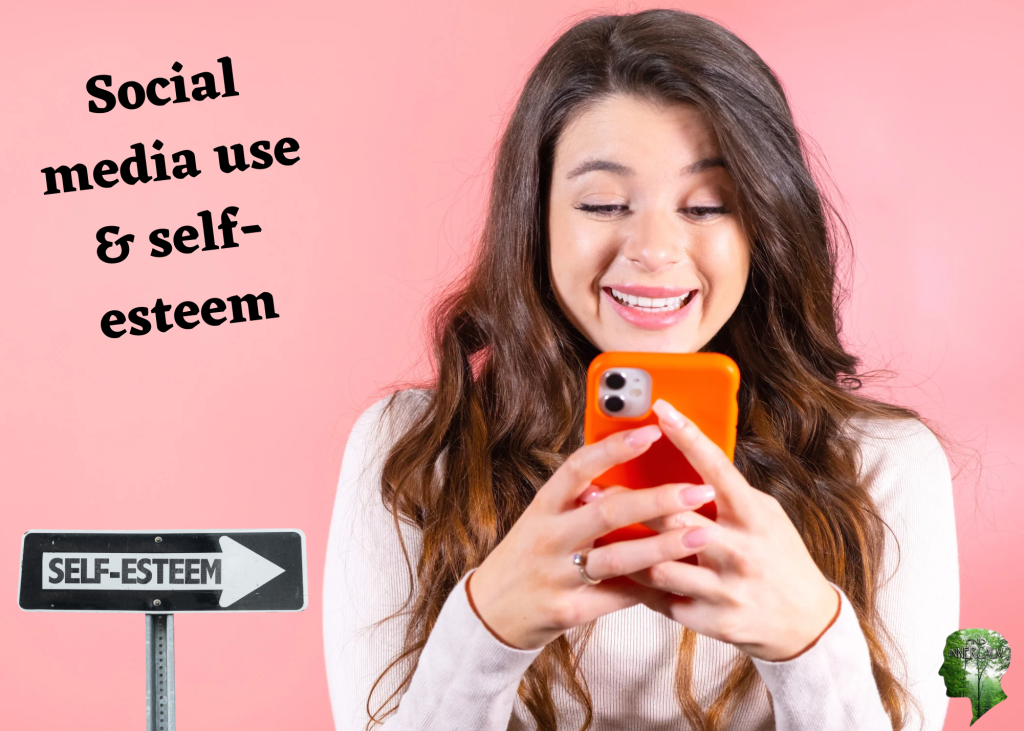
Social Media, Social Comparison, and Self-Esteem: What the Research Tells Us
In today’s digital age, social media has become deeply woven into everyday life. Platforms designed to connect us with friends, family, and communities now also shape how we see ourselves—and how we believe we measure up to others.
While social media can offer support and inspiration, research shows it can also contribute to increased self-comparison and lower self-esteem for many people. A well-known study by Erin Vogel and colleagues explored the complex relationship between social media use, social comparison, and self-esteem, offering important insight into how online environments affect mental health.
Understanding these dynamics can help us use social media more intentionally—and more kindly toward ourselves.
What Is Social Comparison?
Social comparison is a natural psychological process in which people evaluate their own abilities, appearance, or worth by comparing themselves to others. According to Suls and Wheeler (2012), humans are wired to look outward for reference points, especially in situations where self-evaluation feels uncertain.
Social comparison generally occurs in two main forms:
1) upward comparison, where one compares themselves to those they perceive as better off, and
2) downward comparison, where one compares themselves to those who are less fortunate. The study highlights that social media platforms amplify these comparisons due to the curated nature of online profiles (Vogel et al., 2014).
The Role of Social Media
Social media provides a constant stream of curated content, showcasing the highlights of people’s lives. This can lead users to engage in upward comparisons more frequently, potentially resulting in feelings of inadequacy and lower self-esteem (Vogel et al., 2014). The study found that individuals who frequently engage in social comparison on social media report lower self-esteem and increased negative feelings about themselves. This can create an increased vulnerability to depression.
Self-Esteem and Emotional Well-Being
Self-esteem plays a crucial role in emotional well-being. When individuals consistently feel they don’t measure up to the seemingly perfect lives of others, it can lead to anxiety, depression, and a distorted self-image (Vogel et al., 2014). The research indicates that the more individuals engage in social comparison, the more likely they are to experience detrimental effects on their self-esteem.
Strategies for Positive Social Media Use
While the negative impacts of social media are clear, there are ways to mitigate negative consequences of frequent social media use (Vogel et al., 2014):
1. Limit Exposure: Consider reducing the time spent on social media or curating your feed to follow accounts that promote positivity and authenticity.
2. Practice Mindfulness: Be conscious of your feelings while using social media. If you notice feelings of inadequacy surfacing, take a break and engage in self-reflective practices.
3. Focus on Yourself: Redirect your attention from comparing yourself to others towards self-improvement and personal goals. Celebrate your achievements, no matter how small.
4. Engage with Authentic Content: Follow influencers and pages that promote genuine experiences and struggles rather than a polished facade.
5. Start your day differently. Instead of picking up your phone in the morning, delay the time and re-focus on setting a different tone for your day by focusing on self-care practices such as breathing exercises, drinking water, exercise, reading print materials such as books or engaging in any other activity that would help you develop a new pattern and reduce social media use.
6. Seek Support: Talk to friends or mental health professionals if you find that social media negatively impacts your self-esteem. Sometimes, an outside perspective can help you see things more clearly.
Conclusion
The findings from Vogel’s research serve as a crucial reminder of the power of social media in shaping our self-esteem and emotional health. By understanding the dynamics of social comparison and implementing strategies for healthier social media use, we can protect our self-worth and foster a more positive online experience.
Ultimately, it’s about striking a balance—using social media as a tool for connection rather than as a source of comparison. As we navigate this digital landscape, let’s aim to cultivate self-compassion and celebrate our unique journeys.
Written by psychology practicum intern Maddalena Aiello
Edited by Dr. Jennifer Barbera, PhD, Registered Psychologist
Dr. Jennifer Barbera PhD, C. Psych is a licensed psychologist with over 25 years of counselling experience. She has extensive clinical expertise supporting individuals and couples with anxiety, trauma, depression, addiction, and relationship challenges. Her work combines evidence-based approaches with practical strategies to help clients build resilience and improve well-being.
References
Vogel, E. A., Rose, J. P., Roberts, L. R., & Eckles, K. (2014). Social comparison, social media, and self-esteem. Psychology of popular media culture, 3(4), 206.
Suls, J., & Wheeler, L. (2012). Social comparison theory. Handbook of theories of social psychology, 1, 460-482