
Proven Strategies for Managing Stress
Stress is a normal part of everyday life. However, when stress becomes chronic or unmanaged, it can significantly impact both mental and physical health. Learning how to manage stress effectively…

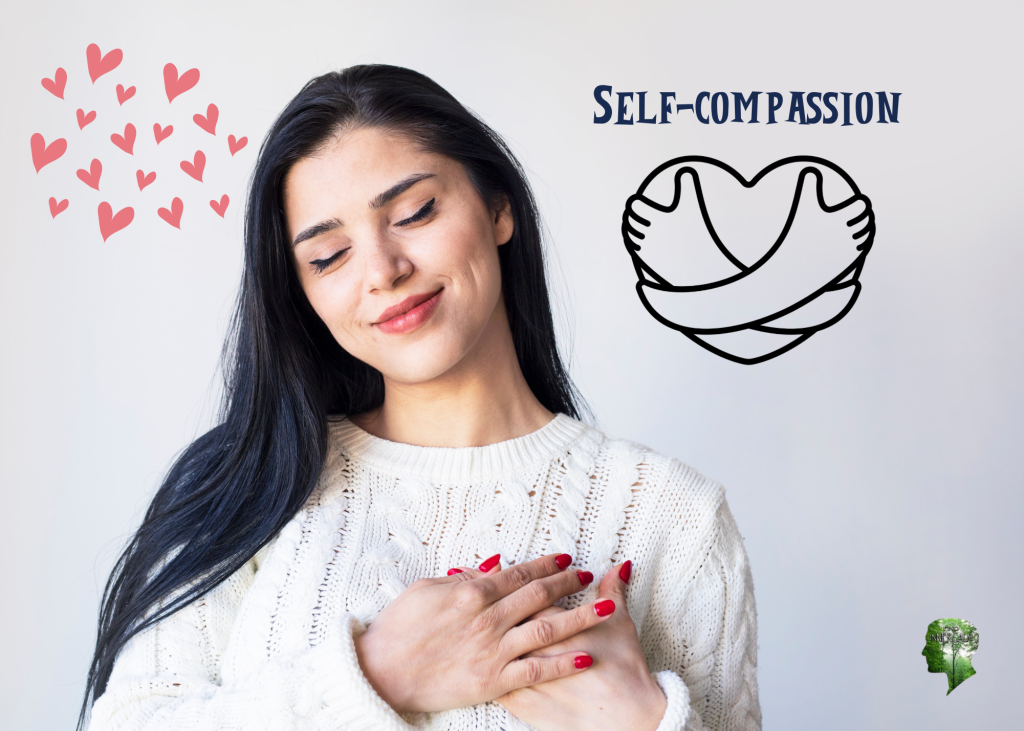
In a world that often celebrates self-discipline, achievement, and perfectionism, self-compassion is a profound counterpoint. While self-discipline and achievement have their merits, taken too far, self-discipline leads to burnout, stress, and feelings of inadequacy.
This is where self-compassion so much promise as an approach that offers a gentler and more sustainable approach to personal growth and well-being. Self-compassion, defined by psychologist Kristin Neff as “being kind and understanding toward oneself in times of suffering or failure,” is a fundamental aspect of our emotional and psychological well-being (Neff, 2003).
Self-compassion involves treating ourselves with the same kindness, care, and understanding that we would offer to a friend in times of struggle. In this article, we will delve into the concept of self-compassion. We will also explore objections to self-compassion, the benefits of self-compassion, and practical ways to cultivate self-compassion in our lives.
Self-compassion can be broken down into three core components (Robinson et al., 2016):
• Self-Kindness: This involves being warm, understanding, and forgiving towards oneself rather than harshly critical or judgmental. When we make mistakes or encounter difficulties, self-kindness encourages us to respond with empathy and understanding, just as we would to a dear friend or loved one.
• Common Humanity: Self-compassion acknowledges that suffering, imperfection, and challenges are universal experiences. We are not alone in our struggles; everyone eventually encounters difficulties. Recognizing our shared humanity can help us feel less isolated and more connected to others.
• Mindfulness: Mindfulness involves maintaining a balanced awareness of our thoughts, emotions, and experiences without excessive identification or suppression. When we practice mindfulness, we observe our inner experiences without judgment. This enables us to process our emotions more effectively and with greater clarity.
Together, these three components of self-compassion work together to create a more self-compassionate mindset (Neff, 2003). Having a more self-compassionate attitude is especially important for anyone hoping to build resiliency against mental health difficulties such as depression, anxiety and low self-esteem.
Objections to Self-Compassion
Self-compassion, unfortunately, does not come naturally to everyone. People often object to self-compassionate behaviours due to their earlier experiences in life. The reasons that people tend to object to being more self-compassionate can be broken down into the following reasons:
1.) Confusion with self-pity: Self-compassion isn’t feeling sorry for yourself but learning to acknowledge your uncomfortable or difficult feelings with kindness (Neff, 2014; Neff, 2015). By using self-compassion, we allow ourselves time to process our uncomfortable emotions and experiences more thoroughly, leading to lower levels of rumination.
2.) Confusing self-compassion with self-indulgence: A popular myth associated with self-compassion is that it is self-indulgent (Neff, 2014). Treating oneself with kindness, however, is responding to one’s self with warmth and compassion instead of harsh criticism, which can increase an individual’s ability to grow from past failure (Miyagawa et al., 2020)
3.) Confusing self-compassion with making excuses: People may resist self-compassionate behaviour because they view it as a way to undermine personal accountability (Neff, 2014; Robinson et al., 2016). However, being kind to oneself helps individuals view mistakes as learning opportunities and part of life (Miyagawa et al., 2020).
4.) The belief that motivation requires self-criticism: Individuals may resist self-compassionate behaviour due to the idea that being hard on oneself can motivate and move an individual towards success (Neff, 2014; Robinson et al., 2016). However, research by Bernie’s and Chen (2012) has shown that being kind to oneself after making mistakes can increase motivation to try again and improve oneself.
Benefits of Self-Compassion
The practice of self-compassion offers many benefits for our mental, emotional, and even physical well-being. Here are some of the key advantages:
• Reduced Stress: Self-compassion can help alleviate stress by reducing the negative impact of self-criticism and self-blame (Pires et al., 2018). When we treat ourselves with kindness and understanding, we are less likely to become overwhelmed by stressors.
• Improved Mental Health: Research has shown that self-compassion is associated with lower levels of depression, anxiety, and rumination (Pires et al., 2018; de Souza et al., 2020). It fosters emotional resilience by encouraging a healthier perspective on setbacks and failures.
• Increased Emotional Resilience: Self-compassion helps individuals bounce back from adversity and setbacks more effectively (Robinson et al., 2016). It provides a buffer against self-esteem issues and the fear of failure, allowing us to take on challenges with greater confidence.
• Improved emotional well-being: Self-compassion is often associated with positive attributes contributing to improved emotional well-being (Robinson et al., 2016).
• Enhanced Relationships: When we practice self-compassion, we tend to be less critical and demanding of ourselves, which can spill over into our interactions with others. We become more understanding and compassionate in our relationships. Being more compassionate improves the quality of our connections and enhances relationship satisfaction (Lathren et al., 2021).
• Better Physical Health: Self-compassion is linked to improved physical health outcomes, including lower levels of inflammation, healthier cardiovascular function, and better overall well-being (Thurston et al., 2021; Sirois et al., 2015; Breines et al., 2014).
This connection between emotional and physical health underscores the holistic nature of self-compassion.
Cultivating Self-Compassion
Now that we’ve explored the concept and benefits of self-compassion let’s delve into practical ways to cultivate more self-compassion in our lives:
• Practice Self-Awareness: Start by becoming more aware of your inner dialogue. Notice when you’re being self-critical or judgmental. Awareness is the first step in making positive changes.
• Treat Yourself as You Would a Friend: When faced with a setback or challenge, imagine how you would respond to a close friend in a similar situation. Apply the same level of kindness, understanding, and support to yourself.
• Mindful Self-Compassion Meditation: Engage in mindfulness and self-compassion meditation practices. These exercises can help you develop greater awareness of your thoughts and feelings while fostering self-kindness and empathy.
• Challenge Self-Critical Thoughts: Whenever you catch yourself engaging in self-criticism or negative self-talk, challenge those thoughts. Ask yourself if your thoughts are based on reality or if they are distortions. Replace negative thoughts with more realistic and compassionate self-talk.
• Practice Common Humanity: Remember that everyone makes mistakes and faces difficulties. You are not alone in your struggles. This awareness can help normalize your experiences and reduce feelings of isolation.
• Self-Care: Prioritize self-care practices that nurture your physical, emotional, and mental well-being. Self-care includes getting adequate rest, eating nourishing foods, and engaging in regular physical activity.
• Set Realistic Goals: Avoid setting impossibly high standards for yourself. Instead, set realistic and achievable goals. Celebrate your successes, no matter how small they may seem.
• Cultivate Gratitude: Focus on the positive aspects of your life and practice gratitude. Reflect on your strengths, accomplishments, and the support you receive from others.
• Seek Support: Talk to a trusted friend, family member, or therapist about your struggles and challenges. Sharing your experiences with someone you trust can provide valuable perspective and support.
• Forgive Yourself: Recognize that nobody is perfect, and we all make mistakes. Instead of dwelling on past errors, forgive yourself and use them as opportunities for growth.
If you still find it challenging to be more self-compassionate, consider seeking professional help from a therapist experienced in self-compassion training or who is IFS-informed. Some people may find it extremely difficult to cultivate self-compassion because of developmental experiences where an opposite stance may have been necessary (e.g. if someone experienced cold or punitive parenting as a child). A skilled therapist can help you to work directly with the part(s) of you that block self-compassion and can also heal developmental trauma if needed.
Self-compassion is not a call to abandon self-improvement or accountability. Instead, it’s an invitation to integrate kindness, understanding, and empathy into our journey of personal growth. By cultivating self-compassion, we can navigate life’s challenges more resiliently, reduce stress and anxiety, and enhance our overall well-being.
In a world that often prioritizes achievement at any cost, self-compassion is a vital reminder that we are all human. We all make mistakes, encounter difficulties, and need support occasionally. Embracing self-compassion can lead us toward greater self-acceptance, contentment, and fulfillment.
Self-compassion can also help us become more compassionate and understanding individuals in our interactions with others. Who doesn’t want improved well-being and more satisfying relationships?
All of us are trained in self-compassion. Reach out today.
By Raechel Hamil, MPsy
Edited by Dr. Jennifer Barbera c. Psych
References
Breines, J. G., & Chen, S. (2012). Self-compassion increases self-improvement motivation. Personality and social psychology bulletin, 38(9), 1133-1143.
Breines, J. G., Thoma, M. V., Gianferante, D., Hanlin, L., Chen, X., & Rohleder, N. (2014). Self-compassion as a predictor of interleukin-6 response to acute psychosocial stress. Brain, behavior, and immunity, 37, 109-114.
de Souza, L. K., Policarpo, D., & Hutz, C. S. (2020). Self-compassion and symptoms of stress, anxiety, and depression. Trends in Psychology, 28(1), 85-98.
Lathren, C. R., Rao, S. S., Park, J., & Bluth, K. (2021). Self-compassion and current close interpersonal relationships: A scoping literature review. Mindfulness,12, 1078-1093.
Miyagawa, Y., Niiya, Y., & Taniguchi, J. (2020). When life gives you lemons, make lemonade: Self-compassion increases adaptive beliefs about failure. Journal of Happiness Studies, 21, 2051-2068.
Neff, K. (2003). Self-compassion: An alternative conceptualization of a healthy attitude toward oneself. Self and identity, 2(2), 85-101.
Neff, K. (2014). Overcoming objections to self-compassion. Greater Good.
Neff, K. D. (2015). The five myths of self-compassion. Psychotherapy Networker, 39(5), 30-35.
Pires, F. B., Lacerda, S. S., Balardin, J. B., Portes, B., Tobo, P. R., Barrichello, C. R., Amaro, E., & Kozasa, E. H. (2018). Self-compassion is associated with less stress and depression and greater attention and brain response to affective stimuli in women managers. BMC women’s health, 18(1), 1-7.
Robinson, K. J., Mayer, S., Allen, A. B., Terry, M., Chilton, A., & Leary, M. R. (2016). Resisting self-compassion: Why are some people opposed to being kind to themselves?. Self and Identity, 15(5), 505-524.
Sirois, F. M., Kitner, R., & Hirsch, J. K. (2015). Self-compassion, affect, and health-promoting behaviors. Health Psychology, 34(6), 661.
Thurston, R. C., Fritz, M. M., Chang, Y., Barinas Mitchell, E., & Maki, P. M. (2021). Self-compassion and subclinical cardiovascular disease among midlife women. Health Psychology, 40(11), 747.