single-incident-trauma
Single-Incident Trauma: Healing After Accidents, Assaults, Medical Events, or Exposure to Serious Injury
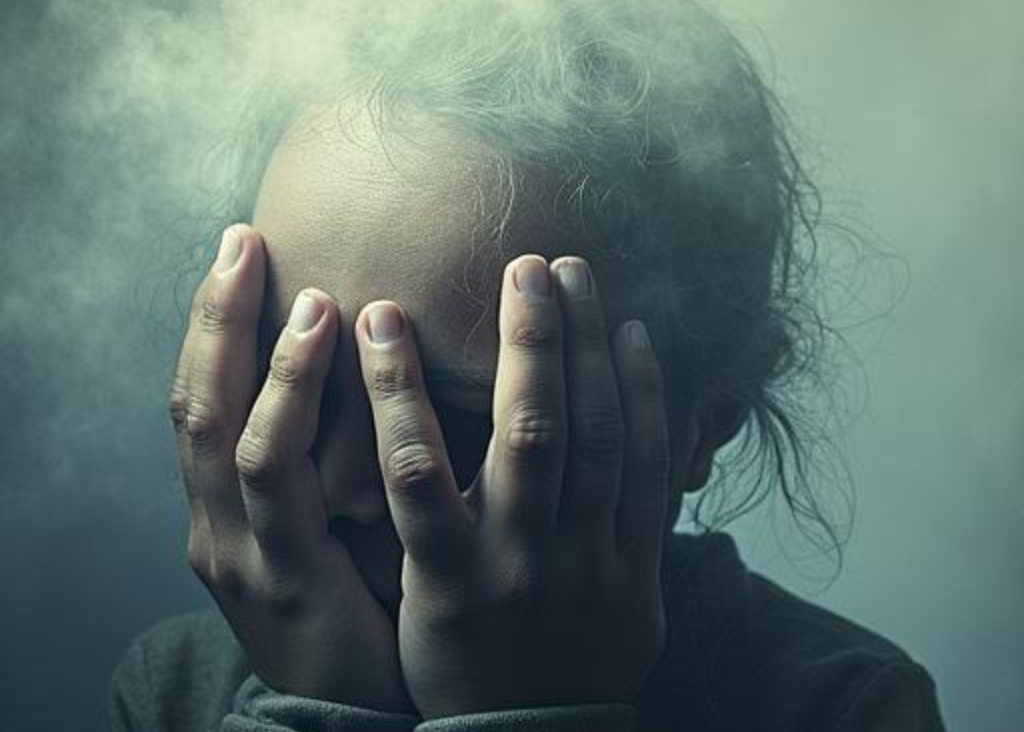
Trauma does not always come from long-term or repeated harm. Sometimes a single overwhelming event can disrupt a person’s sense of safety, stability, and trust in the world. Accidents, assaults, medical emergencies, or witnessing death or serious injury can leave lasting psychological and physiological effects—even when life appears to return to “normal” on the outside.
Single-incident trauma is real, valid, and treatable. Understanding how it affects the mind and body can be an important first step toward healing.
What Is Single-Incident Trauma?
Single-incident trauma (sometimes called acute trauma) refers to trauma resulting from one discrete event that overwhelms a person’s capacity to cope at the time it occurs.
Common examples include:
• Motor vehicle or workplace accidents
• Physical or sexual assault
• Medical trauma (emergency surgery, ICU stays, invasive procedures, birth trauma)
• Natural disasters
• Witnessing death or serious injury
• Sudden, life-threatening events
What makes an event traumatic is not its objective severity, but the experience of fear, helplessness, or threat to life or bodily integrity.
Two people can live through the same event and have very different trauma responses.
How Single-Incident Trauma Affects the Nervous System
During a traumatic event, the nervous system shifts into survival mode. The brain prioritizes speed and protection over integration and meaning.
This can lead to:
• Strong fight, flight, or freeze responses
• Fragmented or sensory-based memory storage
• Heightened threat detection long after danger has passed
After the event, the nervous system may continue acting as if the threat is ongoing—even when the person is objectively safe.
Common Symptoms of Single-Incident Trauma
People recovering from single-incident trauma may experience:
Re-Experiencing
• Intrusive memories or flashbacks
• Nightmares
• Strong emotional or physical reactions to reminders
Avoidance
• Avoiding places, people, or activities linked to the event
• Avoiding thoughts or feelings related to what happened
Hyperarousal
• Feeling constantly on edge
• Difficulty sleeping or concentrating
• Exaggerated startle response
Changes in Mood or Beliefs
• Fear that the world is unsafe
• Guilt, shame, or self-blame
• Feeling disconnected from others or oneself
These symptoms are normal trauma responses, not signs of weakness or failure.
Medical Trauma: A Special Consideration
Medical trauma deserves particular attention because it often occurs in settings meant to provide care and safety.
Medical trauma may involve:
• Loss of bodily autonomy
• Invasive or frightening procedures
• Sudden life-threatening diagnoses
• Feeling unheard, rushed, or powerless
People may minimize medical trauma because “treatment was necessary,” yet the nervous system may still register the experience as overwhelming or terrifying.
PTSD and Single-Incident Trauma
Not everyone who experiences single-incident trauma develops PTSD, but when symptoms persist and interfere with daily life, a diagnosis of Post-Traumatic Stress Disorder may apply.
PTSD involves:
• Ongoing re-experiencing of the event
• Persistent avoidance
• Heightened arousal
• Lasting changes in beliefs or mood
Early, trauma-informed support can reduce the likelihood that symptoms become entrenched.
Treatment Approaches for Single-Incident Trauma
Therapy for single-incident trauma focuses on helping the nervous system recognize that the danger has passed, while safely integrating the memory of what occurred.
EMDR (Eye Movement Desensitization and Reprocessing)
EMDR is one of the most well-researched and effective treatments for single-incident trauma.
EMDR helps by:
• Reprocessing traumatic memories so they feel less immediate and distressing
• Reducing emotional and physical reactivity
• Shifting trauma-based beliefs (e.g., “I’m not safe,” “I should have done more”)
• Allowing the memory to be stored as something that happened in the past
For single-incident trauma, EMDR often leads to significant symptom reduction in a relatively focused course of treatment.
Internal Family Systems (IFS)
IFS can be especially helpful when trauma reactions feel confusing or self-critical.
From an IFS perspective:
• Parts of the self may remain “stuck” in the moment of trauma
• Protective parts may try to prevent vulnerability through avoidance or control
• Other parts may carry fear, shock, or grief
IFS helps individuals:
• Build compassion toward their trauma responses
• Restore a sense of internal safety
• Gently unburden parts that are still holding the event
This approach reduces shame and supports integration rather than suppression.
Cognitive and Schema-Informed Approaches (CBT & ACT)
Single-incident trauma often reshapes how people interpret safety, responsibility, and risk.
CBT-informed work may help:
• Identify trauma-driven thoughts (e.g., “I’m never safe,” “It will happen again”)
• Reduce avoidance that maintains fear
ACT-informed approaches support:
• Making space for trauma memories without being overwhelmed
• Reconnecting with values and meaningful activities
• Developing psychological flexibility rather than control over internal experiences
Schema-informed therapy may also address shifts in core beliefs, such as vulnerability, mistrust, or self-blame that emerge after trauma.
What Healing from Single-Incident Trauma Looks Like
Healing does not mean forgetting what happened. It often involves:
• Remembering the event without reliving it
• Feeling safe in the present
• Reclaiming confidence in one’s body and decisions
• Re-engaging with life, relationships, and values
With appropriate support, many people experience significant relief and renewed resilience.
A Final Word
If you experienced an accident, assault, medical emergency, or witnessed serious injury or death, your reactions make sense. Trauma is not a measure of strength—it is a reflection of how the nervous system responds to threat.
You do not have to process these experiences alone. Trauma-informed therapy can help your system recognize that you survived—and that safety, choice, and meaning are possible again. Connect with us today.