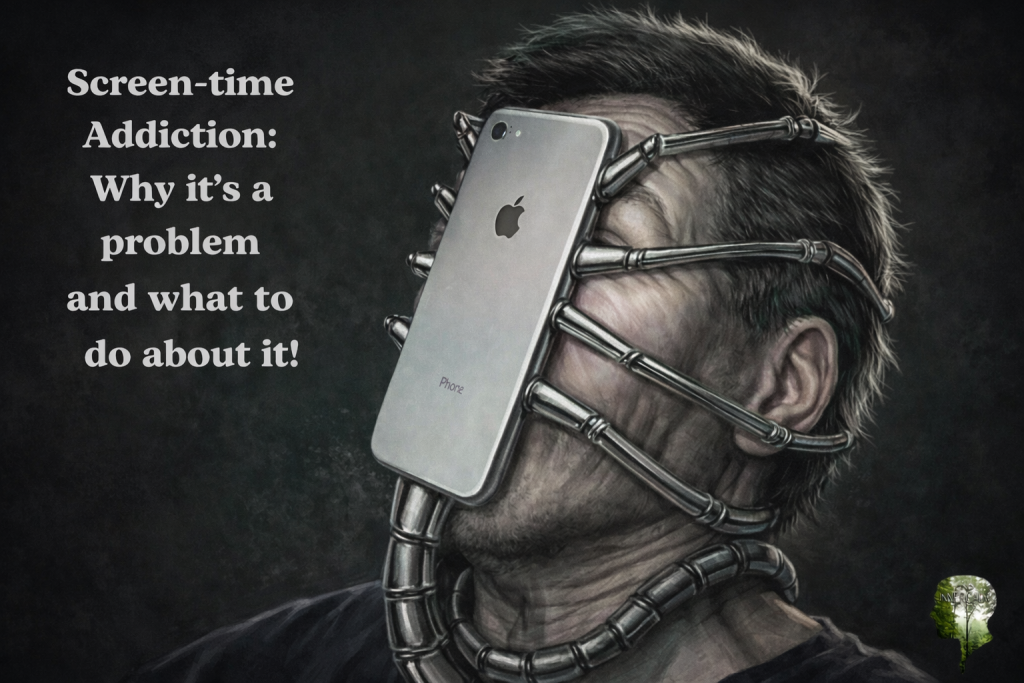
Screen time addiction: why its a problem and what to do
The Rise of Smartphones and Digital Addiction
Smartphones have been part of daily life for over 25 years, fundamentally changing how we communicate and interact. Over this time, many people have shifted from face-to-face or voice conversations to texting and digital messaging. At the same time, our daily routines have become more sedentary, with more time spent on screens than ever before.
As digital technology continues to dominate work, social, and leisure activities, many individuals struggle with technology overuse, excessive screen time, and smartphone addiction. These habits can impact mental health, relationships, productivity, and overall well-being.
Key Digital Changes Over 25 Years
- Communication: Texting and messaging increasingly replace in-person and voice interactions
- Activity Levels: Sedentary behaviors have risen alongside smartphone and screen use
- Technology Dependence: Smartphones, tablets, and computers now play a central role in daily life
Awareness and healthy digital habits are essential as our reliance on technology grows. By understanding the risks of device addiction and implementing mindful usage strategies, individuals can maintain balance, protect mental health, and use technology in a way that enhances rather than hinders life.
As our world becomes increasingly focused and reliant on the use of digital technology, we increasingly see people who are struggling with various forms of addiction to their devices.
Addiction to screens or technology can show up in the following forms:
1. Internet Addiction – A broad term covering excessive, uncontrollable internet use impacting daily life.
2. Screen Addiction – Focuses on an overuse of screens in general, whether through phones, computers, or TVs.
3. Digital Addiction – Emphasizes addiction to digital devices and platforms, like smartphones and social media.
4. Tech Addiction – Highlights addiction to technology, including both hardware (phones, tablets) and software (apps, games).
5. Online Gaming or Video Game Addiction – Specifically related to excessive online gaming or the use of video games.
6. Social Media Addiction – Overuse and dependency on social media platforms.
7. Smartphone Addiction – Involves excessive phone use, often related to apps and internet browsing.
8. Information Addiction – Constantly seeking new information online, like news or updates.
9. Media Addiction – Covers addiction to consuming digital media, including videos, streaming, and other online content.
10. Digital Dependency – Focuses on the psychological reliance on digital devices and the internet.
Regardless of the exact type of technology addiction or term used, an excessive reliance or technology or devices tends to have very significant impacts on physical and mental health. In fact, a literacy review conducted on the health impacts of a high level of screen time concluded “Oftentimes it can cause the induction of a state of hyper-arousal, increase stress hormones, desynchronize the body clock or the circadian cycle, alter brain chemistry and create a drag on mental energy and development” (Nakshine et al., 2022).
A large study in 2018 that specifically looked at the impacts of screen-time on the mental health of children and adolescents concluded “more hours of daily screen time were associated with lower psychological well-being, including less curiosity, lower self-control, more distractibility, more difficulty making friends, less emotional stability, being more difficult to care for, and inability to finish tasks” (Twenge & Campbelle, 2018).
Interestingly, it is not just correlational research that raises concerns about the negative impact of screen time on mental health. A recent randomized controlled study concluded that “A recent cluster randomized controlled trial found that adults who were allocated to reduce their household recreational digital screen use to less than three hours per week per person reported significantly improved mental well-being and mood at two-week follow-up” (Pedersen et al., 2022).
Before further examining why excessive screen time is an issue of concern, it should be noted that “excessive screen-time” is often defined by more than 2 hours a day of screen time (Jain et al., 2023).
Why is being addicted to screen-time a problem?
Excessive use of screen-time can become problematic for several reasons. As mentioned above, high use of screen time has impacts on mental, physical, and social health. Here are a few key areas of concern related to high screen-time use:
1. Mental Health Issues: Excessive screen time, especially on social media, is linked to increased rates of anxiety, depression, and low self-esteem, often due to comparison, cyberbullying, or the fear of missing out (FOMO). Constant connectivity can also contribute to stress and burnout. Frequent screen time can also lead to people feeling like they are not in charge of their own life and how they chose to spend their time. This can leave people feeling more dissatisfied and even depressed.
2. Reduced Attention Span: Regular overstimulation from screens, especially with fast-paced apps or social media, can make it harder to focus on slower activities or sustain attention in real-world situations. People may start to notice that they find it more and more challenging to stay focused on activities such as reading, completing tasks that are challenging, and engaging fully in conversations.
3. Sleep Disruption: Screens emit blue light that can interfere with sleep by disrupting the production of melatonin, the hormone that regulates sleep cycles. Late-night screen use often leads to insomnia, poor sleep quality, and fatigue. For some people who complain about sleep issues, the underlying issue is screen addiction, where they are delaying sleep because of staying online instead of going to bed at a reasonable time.
4. Physical Health Risks: Prolonged screen time contributes to physical problems like eye strain, headaches, and “tech neck” or poor posture. Extended sedentary behavior also increases risks of obesity, cardiovascular issues, and metabolic problems. Many people have given up previously more active activities such as going for walks and sports to spend time online instead.
5. Impaired Social Skills: Heavy screen use can limit real-life social interactions, reducing the development of strong communication and empathy skills. Over-reliance on digital communication may also cause feelings of isolation or weaken relationships. Many people are relying to technology to communicate (e..g, family group chats) instead of engaging in more connected face-to-face conversations or even phone conversations. In some cases this is leading to increased social conflict as people try to address important issues through texting and meaning gets lost in translation, leading to misunderstands and conflict.
6. Reduced Productivity: Time spent on screens, especially on non-productive activities, can decrease efficiency and distract from personal goals, work, or study. More often people complain about feeling continually busy but are not feeling like they are accomplishing as much.
7. Behavioural Addiction: Many digital platforms are designed to be engaging or even addictive. Social media, video games, and certain apps provide constant stimulation and rewards, which can lead to behavioural addiction and make it difficult to control or reduce screen use. More often, some people report feeling compelled to pick up their devices, and check email or social media, even when they didn’t intend to.
While screens are valuable tools for work, learning, and connection, balancing screen use is essential for physical, emotional, and social well-being.
Managing screen time addiction can be challenging but achievable with intentional steps. Here are some effective tips for managing screen-time:
1. Set Screen Time Limits: Use built-in settings on devices or third-party apps to track and limit time spent on certain apps or screens each day. This can help curb excessive use.
2. Create Device-Free Zones and Times: Designate areas, like the bedroom or dining area, as device-free. Set times, like during meals or an hour before bed, to avoid screens and improve mindfulness.
3. Schedule Regular Breaks: Use the 20-20-20 rule: every 20 minutes, take a 20-second break, and look at something 20 feet away to reduce eye strain and reset focus.
4. Establish a Routine with Other Activities: Replace screen time with fulfilling activities, like exercising, reading, or socializing. Developing offline hobbies can naturally reduce screen dependence.
5. Turn Off Non-Essential Notifications: Notifications are designed to grab attention, leading to frequent device checks. Disable non-essential notifications to minimize distractions.
6. Set a Bedtime for Devices: Stop using devices at least an hour before bed to improve sleep quality. Blue light from screens can disrupt sleep patterns, so consider using “Do Not Disturb” mode or placing devices outside the bedroom. If these measures are not enough, consider putting a mechanical timer on your modem to ensure you shut down.
7. Use Grayscale Mode: Many smartphones offer a grayscale setting, which reduces the visual appeal of the screen and makes it less engaging, encouraging shorter use times.
8. Limit Social Media Use: Social media can be especially addictive. Set specific times for checking apps or limit to one to two checks per day (or week) rather than staying constantly connected.
9. Seek Accountability: Share your goals with a friend or family member who can support you in managing screen time and help keep you accountable. Also consider seeking out a therapist to assist you if needed.
10. Practice Mindfulness: Notice when you’re using screens out of habit or boredom rather than necessity. Taking a few deep breaths and refocusing on your goals can help break the habit of impulsive screen use.
Small, consistent changes can significantly reduce screen dependency and enhance well-being. Balancing screen time with offline activities can improve both mental and physical health.
Living a simpler life with less screen time offers several powerful benefits, enriching both mental and physical well-being and deepening personal connections. Here are some of the top reasons that reducing screen time can improve our well-being:
1. Greater Mental Clarity and Focus: Reducing screen use helps clear mental clutter, making it easier to concentrate on meaningful tasks. Without constant notifications and digital distractions, you’re better able to focus on what truly matters and feel more at peace. This sift in focus can help you get out of feeling stuck in a rut, and re-focused on living a more rich and meaningful life.
2. Improved Physical Health: Less screen time means less exposure to blue light, reduced eye strain, and more physical activity. Taking regular breaks from screens encourages more movement, helping to improve posture, reduce back pain, and even boost energy levels.
3. Stronger Relationships: When screens take a back seat, there’s more room for genuine connections with people. By prioritizing face-to-face interactions, listening more attentively, and being fully present, relationships become richer and more fulfilling. This change is vital because when people are asked what is most important to them, the most common answer is their family or partner or loved ones. Although the use of technology to facilitate social connections can be positive in some instances, reducing most forms of screen time seems to enhance relationships (Huang et al. 2022).
4. Enhanced Emotional Well-being: A simpler life allows for more time in nature, mindfulness, and self-reflection, which can reduce stress and anxiety. Without the pressures of social media comparison or information overload, it’s easier to feel content and grounded. Remember that the research indicates that too much screen time has a negative impact on mental health and one way to take charge of your mental health is to reduce or limit your screen time.
5. Increased Productivity and Creativity: Stepping away from screens opens up time for new pursuits. People often find they have more time to learn, create, or pursue hobbies they’re passionate about, whether it’s reading, painting, or spending time outdoors. Making a shift in your activities day-to-day can have a profound impact on mood and well-being. Feeling more productive also leads to improved mood and self-confidence.
6. Deeper Appreciation for the Present Moment: Living with less screen time allows for more mindful living. By fully engaging with your surroundings and activities, you’re able to savor the small moments, fostering a greater sense of joy and gratitude.
A simpler, screen-light life fosters deeper connections, better health, and more meaningful personal growth. It aligns daily living with values, creating a fulfilling, balanced lifestyle.
For assistance with addressing increased screen time, reach out to us today.
References:
Huang S, Lai X, Zhao X, Dai X, Yao Y, Zhang C, Wang Y. Beyond Screen Time: Exploring the Associations between Types of Smartphone Use Content and Adolescents’ Social Relationships. Int J Environ Res Public Health. 2022 Jul 22;19(15):8940.
Jain S, Shrivastava S, Mathur A, Pathak D, Pathak A. Prevalence and Determinants of Excessive Screen Viewing Time in Children Aged 3-15 Years and Its Effects on Physical Activity, Sleep, Eye Symptoms and Headache. Int J Environ Res Public Health. 2023 Feb 16;20(4):3449.
Nakshine VS, Thute P, Khatib MN, Sarkar B. Increased Screen Time as a Cause of Declining Physical, Psychological Health, and Sleep Patterns: A Literary Review. Cureus. 2022 Oct 8;14(10):e30051.
Pedersen J, Rasmussen MGB, Sørensen SO, Mortensen SR, Olesen LG, Brage S, et al. Effects of limiting digital screen use on well-being, mood, and biomarkers of stress in adults. Npj Ment Health Res. 2022;1:1–10.
Twenge JM, Campbell WK. Associations between screen time and lower psychological well-being among children and adolescents: Evidence from a population-based study. Prev Med Rep. 2018 Oct 18;12:271-283.
By Dr. Jennifer Barbera PhD., C. Psych.