Paranoid Personality Disorder
Paranoid Personality Disorder: Signs, Symptoms, and Treatment
Do you know someone who constantly doubts others’ intentions, struggles to trust, or seems overly suspicious in everyday situations? These patterns may indicate Paranoid Personality Disorder (PPD), a mental health condition that affects how a person thinks, feels, and relates to others.
In this post, we’ll explore the key signs and symptoms of paranoid personality disorder, its causes, and effective approaches to treatment. Understanding PPD can help improve relationships, communication, and overall well-being for those affected.
Paranoid Personality Disorder (PPD) is a mental health condition characterized by a pervasive pattern of distrust and suspicion of others, leading individuals to interpret their actions as harmful or malicious, even when there is no evidence to support these beliefs. It falls under Cluster A personality disorders in the DSM-5-TR.
Key Features:
1. Distrust of Others: Individuals with PPD often believe that others have hidden motives or are out to harm, exploit, or deceive them.
2. Reluctance to Confide: They avoid sharing personal information, fearing it might be used against them.
3. Misinterpretation of Actions: Neutral or benign behaviors by others are often perceived as hostile or threatening.
4. Grudge-Holding: They may harbor resentment for perceived slights or wrongs for long periods.
5. Hypervigilance: Constantly on guard, they are overly aware of their environment and may feel unsafe even in secure settings.
6. Jealousy or Suspicion: They may suspect others of infidelity, betrayal, or dishonesty without justification.
Symptoms:
According to the DSM-5-TR, PPD is diagnosed when the following traits are present and persistent across various settings:
• Unfounded suspicions of harm, exploitation, or deceit.
• Reluctance to trust or confide in others due to fear of betrayal.
• Reading hidden threats or malicious intent into benign remarks or events.
• Persistently bearing grudges.
• Quickness to react angrily to perceived insults or disrespect.
• Repeatedly suspecting a partner or close associate of infidelity or betrayal.
Causes and Risk Factors:
The exact cause of PPD is unclear, but it is thought to result from a combination of:
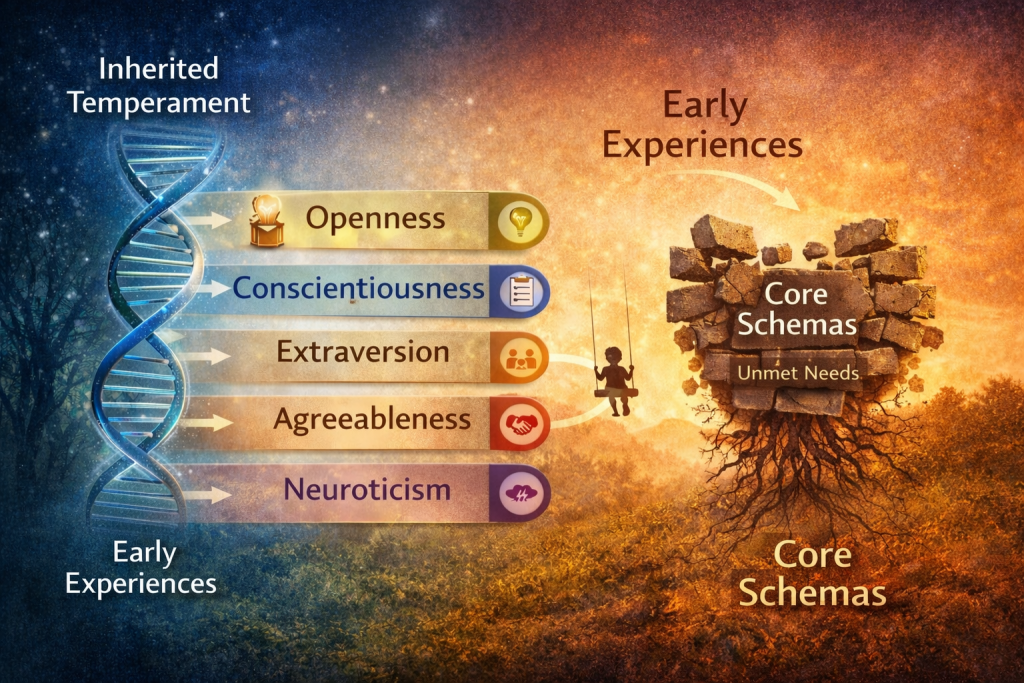
• Genetic Factors: A family history of schizophrenia or other psychotic disorders may increase the risk.
• Environmental Factors: Childhood trauma, neglect, or exposure to high levels of mistrust in relationships.
• Personality Traits: Certain temperamental traits may predispose individuals to develop PPD.
Impact on Life:
PPD can interfere with relationships, work, and daily life. Early intervention and treatment can help individuals develop more adaptive coping strategies and reduce mistrust over time.
Treatment for Personality Disorders:
Personality disorders can be challenging to manage, but effective treatment is possible. Psychotherapy is the main approach, including Cognitive Behavioural Therapy (CBT), Dialectical Behaviour Therapy (DBT), Schema Therapy, and Internal Family Systems (IFS), which help individuals manage emotions, reduce maladaptive behaviours, and improve relationships.
Early intervention, consistent therapy, and a strong support system can significantly improve functioning and quality of life for those with a personality disorder, including Paranoid Personality Disorder.
Prepared by Dr. Jennifer Barbera, PhD, Registered Psychologist
Dr. Jennifer Barbera PhD, C. Psych is a licensed psychologist with over 25 years of counselling experience. She has extensive clinical expertise supporting individuals and couples with anxiety, trauma, depression, addiction, and relationship challenges. Her work combines evidence-based approaches with practical strategies to help clients build resilience and improve well-being.