Obsessive Compulsive Personality Disorder
Obsessive-Compulsive Personality Disorder: When Perfection Becomes a Problem
Obsessive-Compulsive Personality Disorder (OCPD) is more than just a love of order or attention to detail—it’s a pervasive pattern of rigidity, perfectionism, and control that can interfere with work, relationships, and daily life. People with OCPD often struggle to delegate tasks, follow flexible routines, or tolerate imperfection, leading to chronic stress and frustration for themselves and those around them.
Unlike OCD, which involves distressing intrusive thoughts and compulsions, OCPD is characterized by deeply ingrained personality traits that shape behavior and thinking over time. Understanding the signs, challenges, and treatment options for OCPD can empower individuals to manage rigidity, reduce interpersonal conflict, and cultivate a more balanced, fulfilling life.
OCPD is classified as a Cluster C (anxious or fearful) personality disorder in the DSM-5.
Key Features:
1. Perfectionism:
• A strong desire to be perfect, with an emphasis on high standards that can be unrealistic. This often leads to frustration or dissatisfaction if things are not done “just right.”
2. Preoccupation with Order and Control:
• A constant need for order, structure, and control in both personal and professional life. This may include an overemphasis on rules, schedules, and organization.
3. Reluctance to Delegate:
• A tendency to control all tasks and be reluctant to delegate responsibilities to others because of a belief that others will not perform them correctly.
4. Rigidity and Stubbornness:
• A tendency to be inflexible about values, ethics, and morality, which can lead to conflicts in personal or professional relationships.
5. Overwork and Productivity:
• Often highly dedicated to work and productivity to the detriment of leisure or relationships.
6. Reluctance to Spend Money:
• Often overly frugal and unwilling to spend money, even on necessary items, due to a need to control finances or avoid perceived waste.
7. Difficulty Relaxing or Taking Time Off:
• A tendency to be overly focused on work and responsibilities, finding it difficult to relax or enjoy leisure activities.
Symptoms:
According to the DSM-5, OCPD is diagnosed when an individual consistently exhibits four or more of the following behaviors:
• Preoccupation with details, rules, lists, order, and organization to the point that the major point of the activity is lost.
• Perfectionism that interferes with the completion of tasks.
• Excessive devotion to work and productivity, excluding leisure activities and friendships.
• Rigidity and stubbornness about moral, ethical, or ethical issues.
• Reluctance to delegate tasks or work with others unless they submit to their exact way of doing things.
• Miserliness or reluctance to spend money, either on oneself or others.
• Rigidity or stubbornness in relationships, often leading to conflicts.
Causes and Risk Factors:
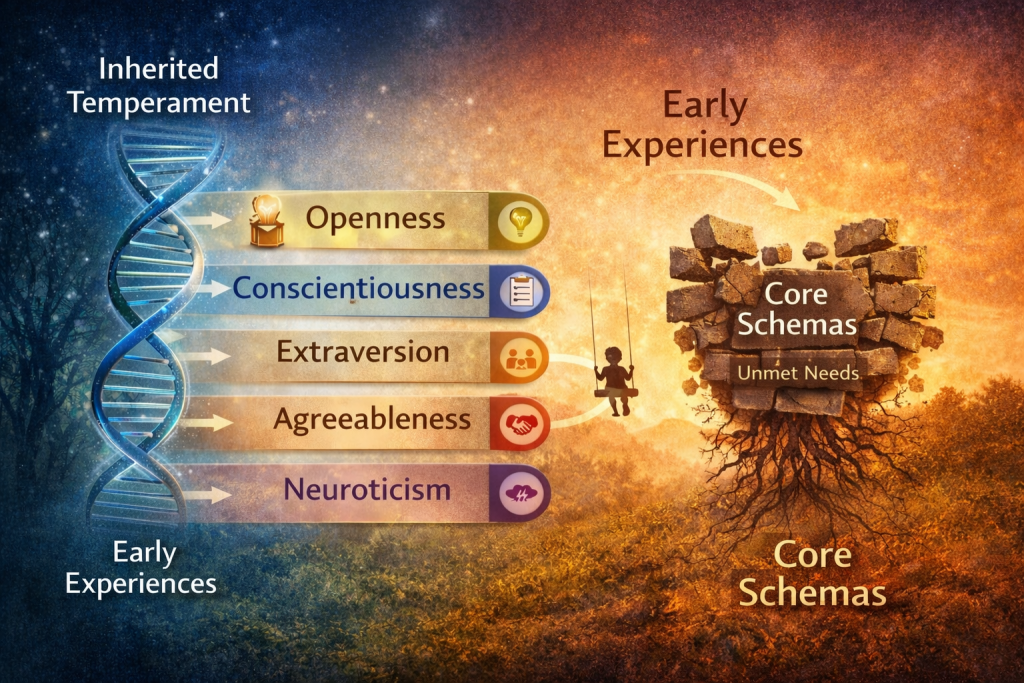
1. Genetic Factors:
• Family history of personality disorders, anxiety disorders, or OCD may increase the risk of developing OCPD.
2. Environmental Factors:
• Early childhood experiences, such as overly critical or perfectionistic parents, or growing up in a rigid or structured environment, may contribute to the development of OCPD.
3. Psychological Factors:
• A person may develop OCPD as a coping mechanism for anxiety, attempting to gain control over their environment or internal stress.
Prognosis:
• OCPD is a lifelong condition, but individuals can make significant improvements with therapy.
• The condition often leads to difficulties in relationships, work, and personal well-being, but treatment can help individuals reduce rigidity, improve functioning, and enhance relationships.
• Early intervention, particularly in childhood or adolescence, can help prevent some of the negative consequences associated with the disorder.
Common Misconceptions:
1. Myth: OCPD is just about being detail-oriented or organized.
• Truth: OCPD is characterized by an extreme and rigid need for control, perfectionism, and order that significantly interferes with functioning and relationships.
2. Myth: People with OCPD are just “control freaks.”
• Truth: While the need for control is a key feature, the behavior stems from deeper emotional or psychological factors, such as anxiety, rather than just a desire to control others.
3. Myth: OCPD cannot be treated.
• Truth: While it can be difficult to treat, therapy, especially cognitive-behavioral therapy, can help individuals learn to manage symptoms and improve relationships.
Treatment for OCPD:
Treatment for Obsessive-Compulsive Personality Disorder (OCPD) can be effective when it combines Schema Therapy, Acceptance and Commitment Therapy (ACT), and Internal Family Systems (IFS) to target both rigid behaviour patterns and underlying emotional processes.
Schema Therapy focuses on identifying and modifying deeply ingrained maladaptive schemas—such as unrelenting standards, perfectionism, or emotional inhibition—that drive OCPD behaviors, helping individuals develop more flexible, adaptive ways of thinking and relating.
ACT complements this by encouraging acceptance of uncomfortable emotions, fostering mindfulness, and supporting commitment to value-driven actions, allowing clients to reduce the struggle with perfectionism and control.
IFS adds a relational and internal dimension, helping individuals recognize and dialogue with the different “parts” of themselves—such as critical, controlling, or anxious parts—and cultivate a compassionate, core “Self” that can guide more adaptive choices.
Together, these therapies offer a comprehensive approach, addressing rigid thought patterns, emotional avoidance, and internal conflicts, ultimately helping individuals with OCPD develop flexibility, reduce interpersonal tension, and live more balanced, fulfilling lives.
Although Obsessive-Compulsive Personality Disorder is a condition that can cause significant distress and impairment in social functioning, with appropriate treatment and support, individuals with OCPD can lead fulfilling lives by learning to manage their perfectionistic tendencies and build more flexible, balanced patterns of thinking and behaviour.
Contact us if you are interested in assessment treatment for OCPD or perfectionism.
Prepared by Dr. Jennifer Barbera, PhD, Registered Psychologist
Dr. Jennifer Barbera PhD, C. Psych is a licensed psychologist with over 25 years of counselling experience. She has extensive clinical expertise supporting individuals and couples with anxiety, trauma, depression, addiction, and relationship challenges. Her work combines evidence-based approaches with practical strategies to help clients build resilience and improve well-being.