Low Self-Worth and Depression: A Painful Loop
Learn how low self-worth and depression reinforce each other, what low self-worth really is, and how compassionate therapy using CBT, ACT, and IFS can help restore confidence and emotional wellbeing.
⸻
When Low Self-Worth and Depression Feed Each Other
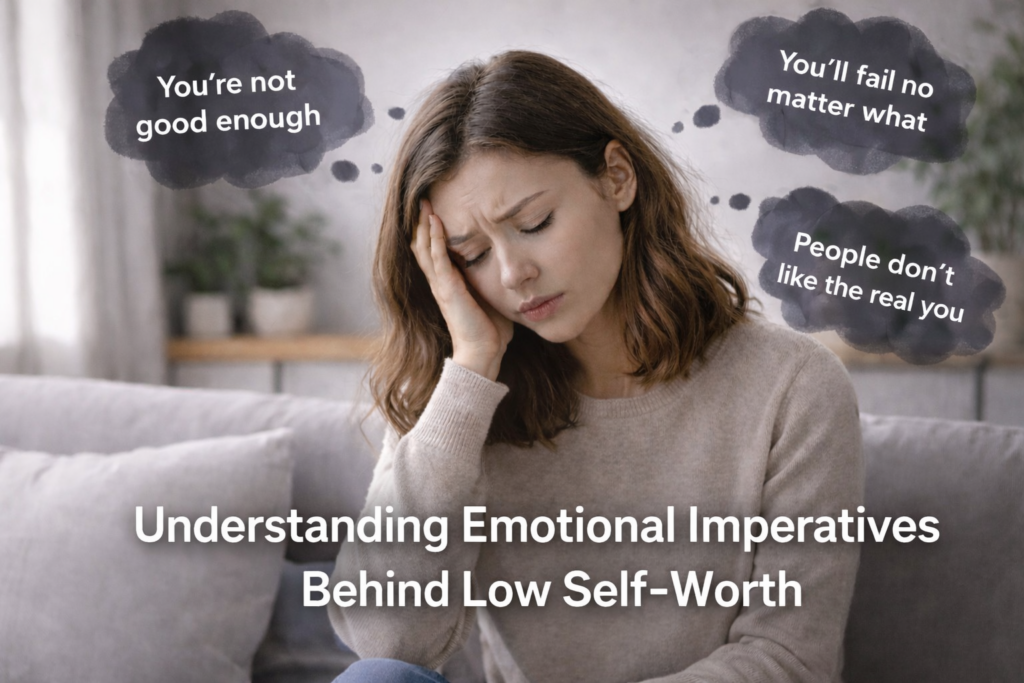
Low self-worth and depression often form a quiet but powerful feedback loop. Feeling fundamentally “not good enough” can drain motivation, hope, and joy, while depression itself can steadily erode a person’s sense of value and capability. Over time, it can become difficult to tell which came first—only that both feel painfully entrenched.
Understanding this connection is a critical step toward healing. Low self-worth is not a personality flaw or a lack of insight; it is often an understandable response to lived experiences, emotional learning, and unmet needs.
What Low Self-Worth Really Is
Low self-worth goes deeper than occasional self-doubt or insecurity. It reflects a core belief about one’s inherent value as a person. People struggling with low self-worth often hold implicit assumptions such as:
• “I am unlovable or defective”
• “I don’t matter as much as others”
• “If people really knew me, they would reject me”
• “I have to earn my worth through performance or pleasing others”
These beliefs are not usually conscious or logical. They tend to operate in the background, shaping emotions, decisions, and relationships. Even positive feedback may feel uncomfortable or unbelievable, while criticism can feel devastatingly confirming.
How Low Self-Worth Develops
Low self-worth does not appear out of nowhere. It often develops through repeated emotional experiences rather than single events. Common contributing factors include:
• Chronic criticism, neglect, or emotional invalidation in childhood
• Growing up with unpredictable, unavailable, or highly stressed caregivers
• Bullying, social exclusion, or repeated rejection
• Trauma, including relational, developmental, or attachment trauma
• Cultural, systemic, or identity-based marginalisation
• Internalising unrealistic expectations or conditional acceptance
Over time, the nervous system and mind learn powerful emotional lessons about safety, belonging, and value. These lessons can persist long after circumstances change.
How Low Self-Worth Contributes to Depression
Low self-worth creates fertile ground for depression (Abei & Orth, 2025). When someone fundamentally believes they are inadequate or undeserving, the world can begin to feel hopeless and heavy. This can lead to:
• Persistent self-criticism and rumination
• Loss of motivation or pleasure (anhedonia)
• Withdrawal from relationships and activities
• Difficulty asking for help or expressing needs
• A sense of helplessness or resignation
Depression, in turn, reinforces low self-worth by reducing energy, concentration, and functioning—often leading people to judge themselves harshly for symptoms that are not their fault.
Other Problems Linked to Low Self-Worth
While depression is one of the most common outcomes, low self-worth can also contribute to other challenges that indirectly worsen depressive symptoms, such as:
• Lack of assertiveness or chronic people-pleasing
• Difficulty setting boundaries
• Staying in unhealthy or unfulfilling relationships
• Avoiding opportunities due to fear of failure or rejection
• Overworking or perfectionism as a way to “earn” value
• Heightened anxiety, shame, or emotional numbness
These patterns can limit life satisfaction and reinforce the belief that change is impossible.
A Compassionate Path to Healing Low Self-Worth
Healing low self-worth requires more than positive affirmations or surface-level reassurance. Effective therapy approaches low self-worth with curiosity, respect, and compassion—recognising it as a protective adaptation rather than a defect.
This work often involves gently addressing core beliefs and schemas, unresolved trauma, and implicit emotional learning that shaped how the self is experienced.
How CBT, ACT, and IFS Work Together
A combined therapeutic approach can be especially powerful:
Cognitive Behavioural Therapy (CBT)
CBT helps identify and challenge entrenched negative beliefs about the self, while building more balanced and evidence-based perspectives. It also supports behavioural changes that counter avoidance and withdrawal.
Acceptance and Commitment Therapy (ACT)
ACT focuses on changing the relationship with self-critical thoughts rather than trying to eliminate them. It builds psychological flexibility, self-compassion, and a values-based life—even when difficult thoughts and feelings are present.
Internal Family Systems (IFS)
IFS recognises that parts of the mind often carry burdens of shame, worthlessness, or fear. By compassionately understanding these parts and the roles they play, people can experience deep emotional shifts and a stronger sense of core self-worth.
Together, these approaches allow healing at both cognitive and emotional levels, supporting change that feels authentic and sustainable.
Reclaiming Worth Is Possible
Low self-worth and depression can feel deeply personal and permanent, but they are not fixed truths. With the right support, people can begin to experience themselves differently—not as broken, but as worthy, resilient, and deserving of care.
Healing does not mean never feeling self-doubt again; it means developing a kinder, more grounded relationship with yourself and your inner experiences. And when you are ready to begin that journey, we invite you to contact us today, because meaningful change often starts with a single, compassionate conversation.
References:
Aebi, J. A., & Orth, U. (2025). Low self-esteemLow self-esteem as a risk factor for depression: A longitudinal study with continuous time modeling. Journal of Personality and Social Psychology, 129(5), 954–971
Prepared by Dr. Jennifer Barbera, PhD, Registered Psychologist
Dr. Jennifer Barbera PhD, C. Psych is a licensed psychologist with over 25 years of counselling experience. She has extensive clinical expertise supporting individuals and couples with anxiety, trauma, depression, addiction, and relationship challenges. Her work combines evidence-based approaches with practical strategies to help clients build resilience and improve well-being.