How a psychologist assesses depression and can help
How to Tell the Difference Between Feeling Down and Clinical Depression
Feeling down from time to time is normal. Most people experience temporary low moods that last hours or a few days and then return to their usual emotional state.
For some individuals, however, low mood can become more severe and long-lasting. Approximately 8% of people experience persistent low mood that may indicate clinical depression.
What is Depression?
Depression generally refers to a marked change in mood that lasts longer than a few days. Clinically, the most commonly diagnosed type is Major Depression.
Major Depression is characterized by:
- Persistent sadness or a significant loss of interest or pleasure in usual activities
- Fatigue or reduced energy
- Changes in appetite or weight
- Difficulty concentrating
- Disrupted sleep (sleeping too much or too little)
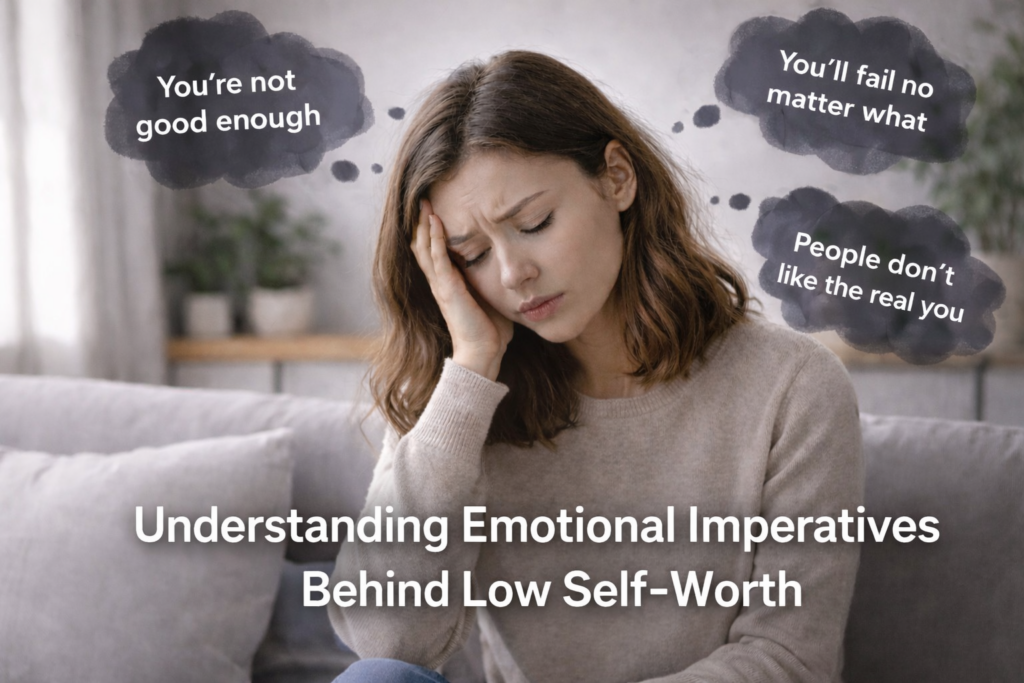
- Low self-worth or persistent guilt
- Thoughts about death or suicide
If these symptoms last two weeks or longer, it may indicate Major Depression, and seeking professional assessment and support is recommended.
How is Depression Clinically Diagnosed?
Assessment and diagnosis of any mental health condition, including Major Depression, is an exact and structured process. To screen for depression, we use a formal written measure, such as the Beck Depression Inventory or the Patient Health Questionnaire (PHQ-9).
When a screening measure leads to significant results, we can formally assess for Major Depression. To conduct a formal assessment, we refer to the Diagnostic and Statistical Manual of Mental Disorders, 5th edition or DSM 5. A corresponding structured interview called a SCID is then used.
According to the DSM 5, to be diagnosed with Major Depression a person must endorse having either:
1) a persistent low mood that lasts most of the day nearly every day for at least two weeks, or
2) a significant and lasting loss of interest in activities that were previously enjoyed.
The person must also experience at least 3-4 additional symptoms every day or almost every day from a list that includes:
- A significant change in appetite or weight
- Psychomotor agitation or retardation
- Insomnia or excessive sleeping
- Significant loss of energy
- A sense of worthlessness or excessive guilt
- Inability to concentrate
- Thinking about dying or committing suicide
In addition to meeting at least 5 of the above criteria (1 of which must be persistent low mood or loss of interest), a person’s symptoms must also disrupt functioning or cause significant distress.
The symptoms must also not be caused by another mental health or medical condition.
What else do people who are depressed experience?
Although a clinical diagnosis of depression is dependent on the above criteria, there are many other symptoms of depression that are important to consider.
In particular, people with depression may also experience:
- increased sad feelings
- Increased tearfulness
- social withdrawal
- increased pessimism
- perceptions of failure
- self-dislike and self-criticalness
- feeling numb or flat in affect
- agitation
- indecisiveness
- irritability
- low libido.
How does depression affect people?
Depression can be incredibly painful for people and very disruptive to one’s life. Many people describe depression as feeling like a weight they carry around with them that they can’t seem to lift or shake off. Depression can take the enjoyment and pleasure out of important experiences and relationships. Depression can leave people feeling alone or misunderstood or ashamed.
Aside from causing emotional suffering, depression can also interfere with someone’s ability to attend work or school, or participate in other essential activities. Withdrawal from people and activities can negatively impact a person’s relationships, which leads to additional difficulties.
Depression can lead to so much disruption and suffering that some people start to self-harm, or they may contemplate suicide. In Canada, 4000 people a year die because of suicide. This translates to approximately 11 people taking their own life each day.
Although suicide rates are affected by other mental health concerns such as PTSD, and Bipolar Disorder, depression is a significant contributor to people committing suicide.
Because depression causes enormous suffering and can lead to suicide or self-harm, people need to know that they are not alone in their suffering, and that help is available.
What Can People Do About Depression?
Depression is a very painful and challenging mental health concern. The good news is that help is available. Through appropriate education, assessment and treatment, people can recover from their depression.
To help with depression symptoms, consider taking the following steps:
1) It’s important first to identify if you may be suffering from depression. Read credible sources of information on depression such as those listed in the references section below, or our depression page.
Take a self-screening measure such as the PHQ-9
2) If the screening measure raises concerns, or you already feel concerned about possible depression symptoms, consult with a doctor and or a psychologist.
Talking to your doctor can help to determine whether medication is appropriate or not. It’s also essential to have your mood assessed by a psychologist to help verify a proper diagnosis. This process can also help identify any contributing factors to your depression.
It’s important to rule out other potential causes and or other mental health concerns such as trauma and anxiety disorders because other issues can cause depression.
If there is another underlying cause of your depression, then only focusing on your depression symptoms may not adequately address or resolve your symptoms. Screening, and possibly assessing for a range of mood and anxiety concerns will lead to a more thorough and informed treatment plan.
An assessment can also help you to establish a baseline measure of your depression symptoms, which can later be used to help objectively monitor your progress.
3) If it’s been more than a year since you had an annual physical, schedule an annual physical with your family doctor to ensure you are in good health and to possibly coordinate bloodwork. Reviewing any medications you are taking, or any health conditions you have is also recommended.
4) Set up therapy services with a psychologist or psychotherapist. A psychologist can provide an appropriate diagnosis and provide or coordinate effective therapy.
CBT is a commonly recommended form of treatment for depression. CBT focuses on shifting negative thinking and increasing meaningful activity.
Thought monitoring and behavioural activation are both very important approaches for treating depression; however, for a more comprehensive and holistic approach, we recommend a combination of CBT and another treatment such as ACT, DBT, EFT, IFS or EMDR.
If you are not sure what therapy approach interests you, no need to worry. Your therapist can help you decide which psychotherapy approaches will best address your specific needs and concerns. Contact us.
5) Regardless of what specific therapy approach you pursue, be sure to put some emphasis on improving self-care as a foundation to your treatment plan. Sleep, diet and exercise are pivotal to well-being and have an especially significant impact on mood.
6) One of the most immediate and effective actions you can take to starting improving your mood is to increase activity and exercise slowly. Physical exercise helps boost mood because it leads to the production of mood-enhancing endorphins. Completing other tasks can also help increase feelings of accomplishment, which improves mood.
To help implement increased exercise and activity, use a schedule to plan exercise and other activities at least 3-4 times a week. Start with 10 minutes at a time if needed and then gradually increase to at least 30 minutes several times a week. Also remember to plan other tasks and leisure activities, with the same idea of slowly increasing over time.
A therapist can help you figure out ways to slowly build your activity level as this can be very challenging for some people. A therapist can also help you decide what important steps to take beyond behavioural activation. Often therapy for depression involves working on any other issues (e.g., unhelpful thinking, frequent self-criticism, anxiety, trauma, perfectionism, inflexibility, etc.) contributing to your depression.
No need to wait to get started.
If you have questions about how we might be able to help with your mood-related concerns, contact us.
This post was written by:
Clinical Psychologist Dr. Jennifer Barbera.
References:
Canadian Mental Health Association
What causes Depression: Harvard Health Harvard Health