Histrionic Personality Disorder
Histrionic Personality Disorder (HPD) is a mental health condition characterized by excessive emotionality, a strong need for attention, and patterns of intense interpersonal behaviour. It is classified as a Cluster B personality disorder in the DSM-5, alongside conditions marked by dramatic or emotionally expressive traits.
People with Histrionic Personality Disorder often feel uncomfortable or unsafe when they are not the centre of attention. This can show up as dramatic, expressive, flirtatious, or theatrical behaviour, driven by a deep need for connection, validation, and reassurance. These behaviours are not simply “attention-seeking” but are often learned responses to unmet emotional needs and relational insecurity.
Histrionic Personality Disorder is frequently misunderstood and oversimplified in popular culture. Rather than asking “what’s wrong?”, a more accurate and compassionate understanding asks “what happened?” and “what does this person need to feel secure now?” When viewed through this lens, HPD reflects patterns shaped by emotional sensitivity, identity development, and early relationship experiences—patterns that can change with insight and appropriate therapeutic support.
Key Features of Histrionic PD:
1. Excessive Attention-Seeking:
• Persistent need to be the focus of attention, often using charm, drama, or provocative behavior to draw others’ focus.
2. Overly Dramatic or Theatrical Behavior:
• Exaggerated expressions of emotion, which may appear shallow or insincere.
3. Inappropriate Sexual or Seductive Behavior:
• Engaging in flirtatious or provocative actions to gain attention, even in inappropriate contexts.
4. Rapidly Shifting Emotions:
• Emotions may change quickly and lack depth, often appearing exaggerated.
5. Preoccupation with Appearance:
• Spending excessive time or effort on physical appearance to gain approval or admiration.
6. Easily Influenced by Others:
• Opinions and decisions are often shaped by others, with difficulty forming independent views.
7. Perceiving Relationships as Closer Than They Are:
• Tendency to view casual relationships as more intimate or meaningful than they actually are.
Histrionic Symptoms:
According to the DSM-5, HPD is diagnosed when an individual exhibits five or more of the following traits:
• Discomfort when not the center of attention.
• Inappropriate sexually seductive or provocative behavior.
• Rapidly shifting and shallow emotions.
• Using physical appearance to draw attention.
• Speech that is impressionistic but lacks detail.
• Overly dramatic, theatrical behavior or exaggerated emotions.
• Easily influenced by others or circumstances.
• Misinterpreting relationships as being more intimate than they are.
Causes and Risk Factors:
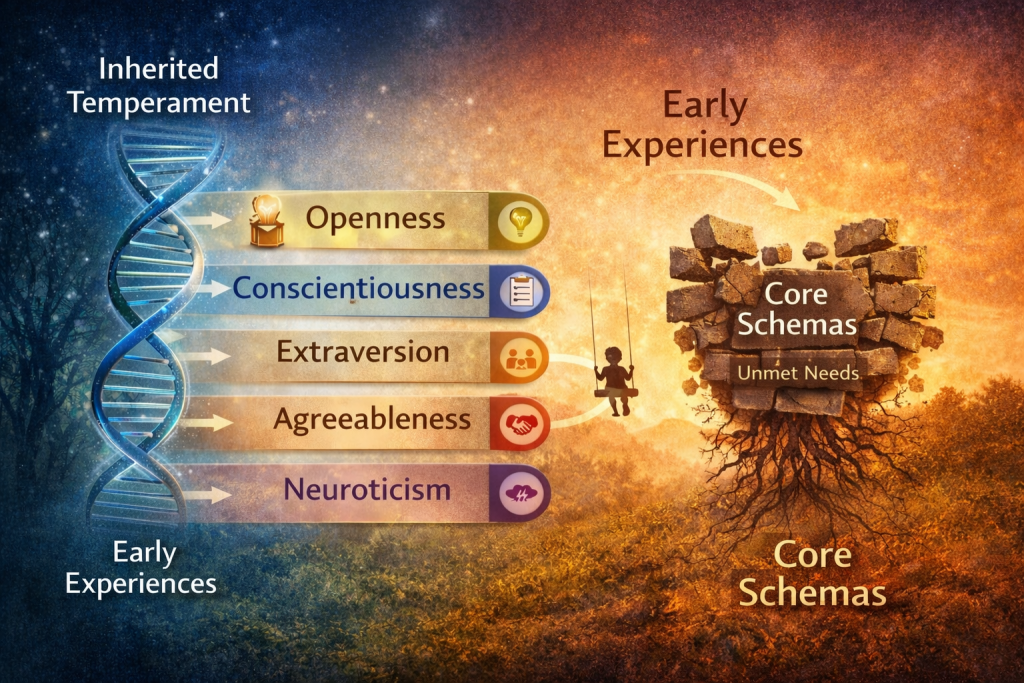
1. Genetic Factors:
• Family history of personality disorders or other mental health conditions.
2. Environmental Factors:
• Childhood experiences, such as inconsistent attention, excessive praise, or a lack of boundaries, may contribute.
3. Cultural and Social Influences:
• Societal or cultural norms that emphasize appearance, charm, or dramatic expression may play a role.
Prognosis:
• People with HPD often have functional lives but may experience problems in relationships, work, or self-esteem due to their need for attention and approval.
• With therapy, individuals can learn to regulate emotions, develop healthier ways to seek validation, and form more meaningful relationships.
Common Misconceptions:
1. Myth: HPD is just about being dramatic.
• Truth: HPD involves deeply rooted emotional and interpersonal patterns, not just dramatic behaviour.
2. Myth: People with HPD are intentionally manipulative.
• Truth: Their behaviour is often driven by an unconscious need for attention and validation rather than deliberate manipulation.
3. Myth: HPD is untreatable.
• Truth: With the right support and therapy, individuals with HPD can make meaningful changes and lead fulfilling lives.
At its core, Histrionic Personality Disorder speaks to a universal human need: to be seen and valued. When that need has gone unmet, the ways people adapt can become painful or limiting. Therapy offers a space to understand these patterns with curiosity rather than judgment—and to create new ways of relating that feel safer, more authentic, and more connected. Contact us today if you or a loved one are experiencing histrionic traits and would like more assistance.
Prepared by Dr. Jennifer Barbera, PhD, Registered Psychologist
Dr. Jennifer Barbera PhD, C. Psych is a licensed psychologist with over 25 years of counselling experience. She has extensive clinical expertise supporting individuals and couples with anxiety, trauma, depression, addiction, and relationship challenges. Her work combines evidence-based approaches with practical strategies to help clients build resilience and improve well-being.