
Proven Strategies for Managing Stress
Stress is a normal part of everyday life. However, when stress becomes chronic or unmanaged, it can significantly impact both mental and physical health. Learning how to manage stress effectively…

In this Psychology Blog post: Discover effective grounding techniques for anxiety and stress relief. Learn practical strategies to reconnect with the present and support your mental health.
Grounding Techniques for Anxiety and Stress Relief
When life feels overwhelming, it’s common to experience intrusive thoughts or intense emotions. Whether triggered by work pressures, personal challenges, or unexpected life events, these feelings can be difficult to manage.
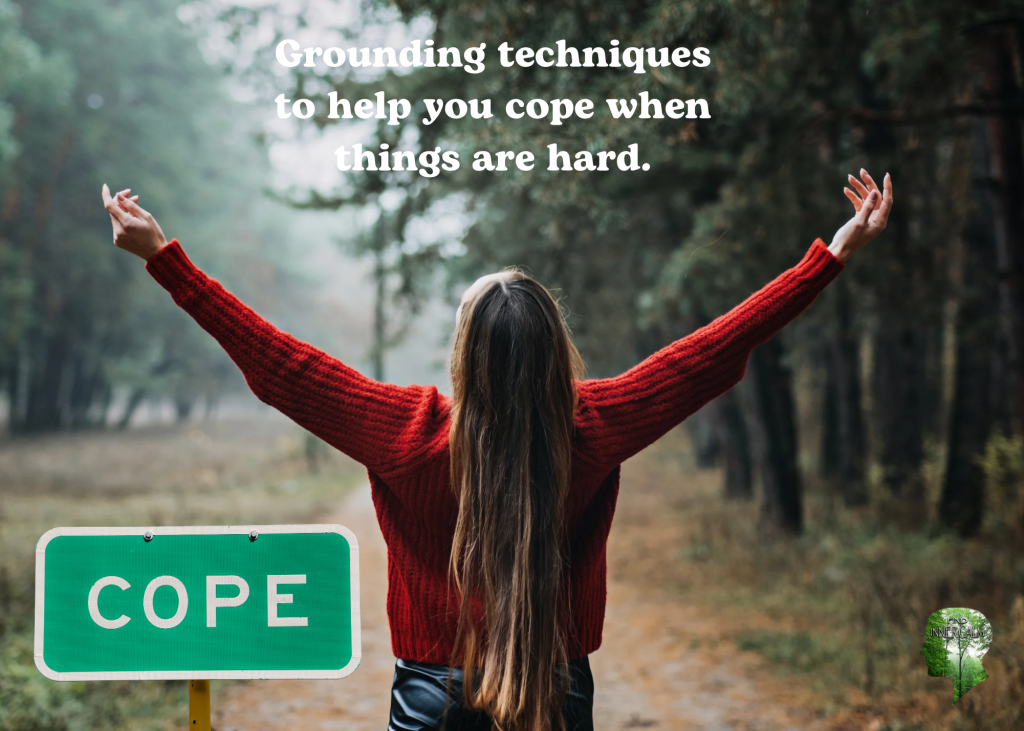
Grounding techniques are simple, practical strategies that help you reconnect with the present moment when feeling overwhelmed, anxious, or detached from reality. These techniques support stress relief, emotional regulation, and overall mental health.
In this blog post, we’ll explore a variety of grounding techniques and show how to integrate them into your daily routine to manage anxiety and improve emotional well-being.
We can categorize grounding techniques into three grounding types:
1. Physical Grounding: Uses body movement and touch to reorient oneself to the present moment.
2. Mental Grounding: Engages cognitive processes to shift focus away from distress.
3. Sensory Grounding: Uses the five senses to reconnect with reality.
Now lets explore Each grounding technique in more detail:
1. Physical Grounding Techniques
These techniques focus on using the body to stay present:
The 5-4-3-2-1 Method: Identify 5 things you see, 4 things you can touch, 3 things you can hear, 2 things you smell, and 1 thing you taste.
Deep Breathing: This technique is often referred to as box breathing. Inhale for four seconds, hold for four seconds, exhale for four seconds. We are aiming for nice, slow breathing, so it is important to adjust the timing so it works for you.
Progressive Muscle Relaxation: Tense and then relax each muscle group in your body,
starting from your feet to your head. Notice where your body is carrying extra tension and take time to focus on those areas.
Cold Sensations: Hold ice cubes or splash cold water on your face to bring awareness back to your body.
Grounding Objects: Carry a small, textured object (like a small rock, a piece of textured fabric, or stress ball) to touch when needed.
2. Mental Grounding Techniques
These techniques shift focus away from distressing thoughts:
Counting Backward: Count down from 100 by sevens or another number that is challenging to you. The aim is to focus on counting, so choose a number that will require your attention!
Describing an Object: Pick an object nearby and describe its colour, shape, and texture in detail. Is it large or small? Does it look soft or hard? How does the light reflect off of its surface?
Reciting a Poem or Affirmation that is meaningful to you: Repeat comforting phrases, such as “I am safe,” or recite a familiar poem or song lyric that holds special meaning to you.
Engaging in Mental Math: Solve simple math problems in your head to divert your focus. The problems should not be too simple, though. You want this activity to be challenging enough to require concentration but not so difficult that you become frustrated.
Name Categories: List types of animals, countries, or foods alphabetically.
3. Sensory Grounding Techniques:
Engaging the senses can quickly bring awareness back to the present:
Listen to Music: Focus on specific instruments or lyrics.
Smell Something Strong: Essential oils, coffee beans, or a scented candle can be helpful.
Taste Something Distinct: Eat a sour candy, sip cold water, or chew mint gum. Focus on eating it as if you never tasted it before!
Touch Different Textures: Feel the fabric of your clothes, a smooth rock, or a soft blanket.
Focus on Visual Details: Observe patterns in your surroundings, cloud shapes, or tiny details on an object. Look at it as if you have never seen it before!
When Should I Use Grounding Techniques?
Grounding techniques can be helpful in various situations, including:
When feeling emotionally overwhelmed or stressed.
If you notice symptoms of panic, such as a racing heart or rapid breathing
When experiencing dissociation or PTSD-related flashbacks.
As part of a daily mindfulness routine to promote mental well-being.
Grounding techniques are simple yet powerful tools that can help you regain balance over your emotions and thoughts. By incorporating these strategies into your daily life, you can build resilience and improve your ability to manage stress and anxiety.
Remember, what works best may vary from person to person, so experiment with different techniques to find what resonates with you. Be sure to honour your unique experiences and needs in your journey towards better mental health.
By Debra Schlegel, Psychology MA graduate student.
Edited by Dr. Jennifer Barbera PhD. C. Psych.
References
McCaslin S.E., et al. (2018). Deployment anxiety reduction training: A pilot study of acceptability and feasibility in current or recent active duty service members. Military Medicine. (183)1, 371-378. https://doi.org/10.1093/milmed/usx154
McMain, S., Psych, C., & Sonley, A. K. (2020). Dialectical Behavior Therapy Tool Kit. Good Psychiatric Management and Dialectical Behavior Therapy: A Clinician’s Guide to Integration and Stepped Care, 69.