Do they have Narcissistic Personality Disorder?
Narcissistic Personality Disorder: Symptoms, Causes, and Treatment
Narcissistic Personality Disorder (NPD) is a mental health condition marked by patterns of grandiosity, a strong need for admiration, and difficulty with empathy, often masking deep insecurity and sensitivity to criticism. While traits such as confidence or ambition are common, NPD involves enduring and inflexible patterns that significantly affect relationships, work, and emotional well-being.
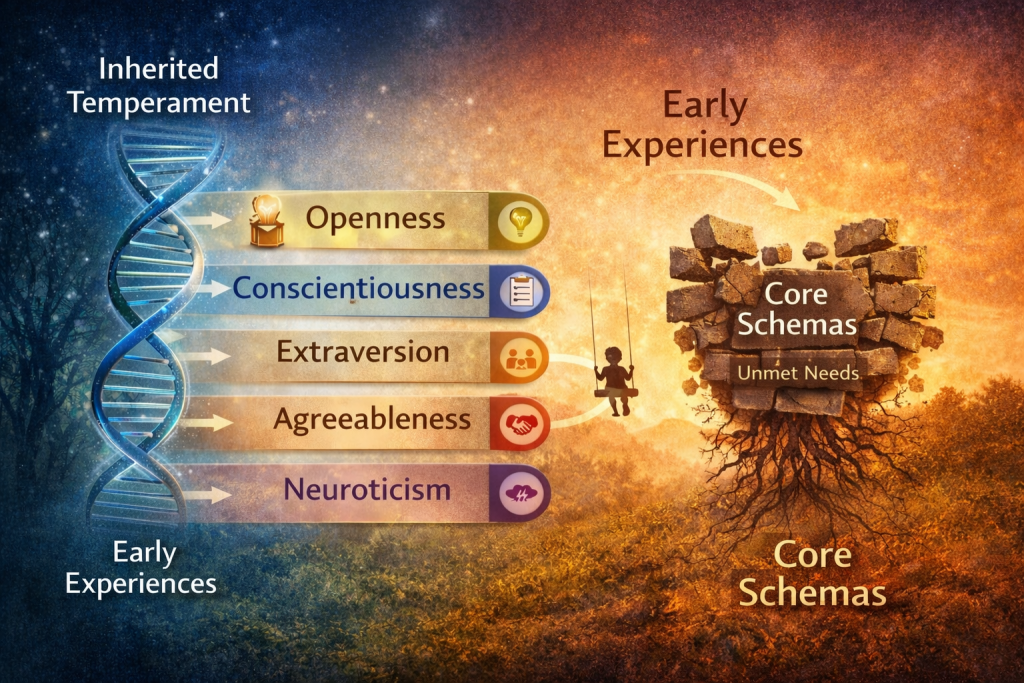
Narcissistic Personality Disorder is frequently misunderstood and reduced to stereotypes of arrogance or selfishness. In reality, these behaviours often develop as protective strategies shaped by early experiences, unmet emotional needs, and fragile self-esteem. Many individuals with NPD struggle with shame, vulnerability, and maintaining stable relationships, even when outward success is present.
In this article, we explain what Narcissistic Personality Disorder is, outline common symptoms and signs, explore why it develops, and review evidence-based treatment options. Understanding NPD begins not with blame, but with curiosity—asking what lies beneath the narcissistic patterns and how meaningful change is possible.
Narcissistic Personality Disorder (NPD) is a mental health condition characterized by an inflated sense of self-importance, a deep need for admiration, and a lack of empathy for others. Despite outward confidence, individuals with NPD often have fragile self-esteem that is highly sensitive to criticism. It is classified as a Cluster B (dramatic, emotional, or erratic) personality disorder in the DSM-5.
Key Features of Narcissistic Personality Disorder:
1. Grandiosity:
• Exaggerated sense of self-importance, talents, or achievements.
• Belief that they are superior and can only associate with equally special or high-status individuals.
2. Preoccupation with Success and Power:
• Constant thoughts about unlimited success, power, brilliance, beauty, or ideal love,
3. Need for Admiration:
• Craving excessive admiration and validation from others to maintain self-esteem.
4. Sense of Entitlement:
• Expecting special treatment and compliance with their expectations.
5. Exploitation of Others:
• Taking advantage of others to achieve personal goals.
6. Lack of Empathy:
• Difficulty recognizing or caring about the feelings and needs of others.
7. Envy:
• Believing others are envious of them or feeling envious of others’ success or possessions.
8. Arrogant Behavior:
• Displaying haughty attitudes or behaviours that come across as dismissive or condescending.
Symptoms:
According to the DSM-5, NPD is diagnosed when an individual exhibits five or more of the following traits consistently across various situations:
• Grandiose sense of self-importance.
• Preoccupation with fantasies of success, power, brilliance, or beauty.
• Belief that they are special and unique, requiring admiration from others.
• Sense of entitlement.
• Exploitative behavior in relationships.
• Lack of empathy.
• Envy of others or belief that others envy them.
• Arrogant, haughty attitudes or behaviours.
Causes and Risk Factors:
1. Genetic Factors:
• Family history of personality disorders or mental health conditions.
2. Environmental Factors:
• Excessive praise or criticism during childhood.
• Overly indulgent or neglectful parenting styles.
3. Psychological Factors:
• Underlying insecurities or emotional neglect contributing to the development of a fragile self-esteem.
Challenges of NPD:
• Individuals with NPD may struggle with maintaining relationships due to their lack of empathy and exploitative tendencies.
• Their fragile self-esteem can lead to emotional outbursts, depression, or withdrawal when they are challenged by others in some way.
Prognosis:
• While NPD is a lifelong condition, therapy can help individuals improve self-awareness, empathy, and coping strategies.
• Progress depends on the person’s willingness to engage in treatment and reflect on their behaviour.
Common Misconceptions:
1. Myth: NPD is just about being confident or arrogant.
• Truth: NPD involves deeply rooted emotional insecurities and a fragile self-esteem.
2. Myth: All narcissists are abusive.
• Truth: While some individuals with NPD may engage in harmful behaviours , not all are abusive.
3. Myth: NPD cannot be treated.
• Truth: With consistent therapy and effort, individuals with NPD can make meaningful changes in their behaviour and relationships.
Narcissistic Personality Disorder is a complex condition, but with understanding and intervention, individuals can learn to manage their symptoms and lead more fulfilling lives.
Narcissistic Personality Disorder is more than confidence or self-focus taken too far—it reflects enduring patterns shaped by vulnerability, emotional protection, and early relational experiences. While NPD can create significant challenges in relationships and self-esteem, it is treatable with the right therapeutic support. Evidence-based approaches can help individuals build greater emotional awareness, develop healthier ways of relating, and cultivate a more stable and authentic sense of self. With understanding, consistency, and appropriate care, meaningful change is possible.
Prepared by Dr. Jennifer Barbera, PhD, Registered Psychologist
Dr. Jennifer Barbera PhD, C. Psych is a licensed psychologist with over 25 years of counselling experience. She has extensive clinical expertise supporting individuals and couples with anxiety, trauma, depression, addiction, and relationship challenges. Her work combines evidence-based approaches with practical strategies to help clients build resilience and improve well-being.