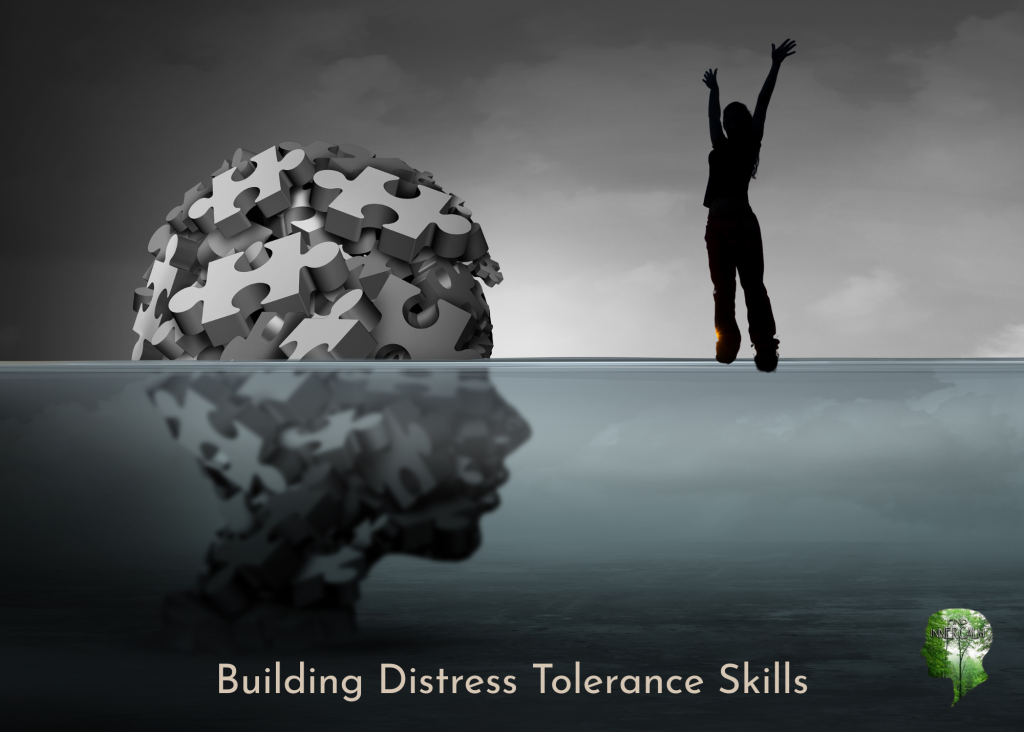
Building Resilience: How to Improve Distress Tolerance Skills
Life is full of ups and downs, and at times, we all face distressing situations that test our emotional and psychological endurance. Distress tolerance, the ability to withstand and manage distressing emotions, is a crucial skill in navigating life’s challenges.
Whether you’re dealing with personal setbacks, work-related stress, or unexpected crises, improving distress tolerance can help you not only survive but thrive in the face of adversity. In this blog post, we’ll explore the concept of distress tolerance, its importance, and practical strategies to enhance your ability to tolerate distress.
Understanding Distress Tolerance
Distress tolerance refers to the capacity to endure emotional discomfort or distress. Having well-developed distress tolerance skills means being able to tolerate distress without resorting to destructive behaviours or becoming overwhelmed by the intensity of our emotions.
Healthy distress tolerance involves acknowledging and accepting distressing emotions and sensations while choosing to respond skillfully rather than react impulsively. Developing strong distress tolerance skills is vital for maintaining emotional balance, reducing impulsivity, and making healthier choices in difficult situations.
Why is Distress Tolerance Important?
Distress tolerance is crucial because it enables individuals to navigate difficult emotions and stressful situations without resorting to impulsive or maladaptive behaviours.
Distress tolerance is a core component of emotional regulation, particularly in therapies like Dialectical Behavior Therapy (DBT), which helps individuals manage intense emotions without avoidance or harm to self or others.
When people lack distress tolerance, they may turn to maladaptive coping mechanisms such as substance abuse, self-harm, or emotional outbursts, which can worsen their problems in the long run.
Developing distress tolerance allows individuals to sit with discomfort, recognize that emotions are temporary, and make thoughtful, value-driven decisions rather than reacting out of panic or frustration.
Distress tolerance skills are particularly important for individuals dealing with anxiety, depression, anger issues, trauma or self-harm), distress tolerance fosters resilience, self-control, and improved interpersonal relationships.
The Main Benefits of Distress Tolerance:
Emotional Regulation: A high distress tolerance level allows individuals to regulate their emotions more effectively. When we can withstand distressing feelings, we’re less likely to react impulsively or engage in self-destructive behaviours, such as substance abuse or self-harm.
Stress Management: Distress tolerance plays a key role in managing stress. People with better distress tolerance are better equipped to cope with life’s stressors, reducing the negative impact of stress on their physical and mental health.
Improved Decision-Making: High distress tolerance enables better decision-making. When we’re not overwhelmed by distress, we can think more clearly and make rational choices, even in challenging circumstances.
Stronger Relationships: People with better distress tolerance often have healthier relationships. They can handle conflicts and disagreements without resorting to hurtful words or actions, fostering more positive connections with others.
Resilience: Building distress tolerance is a cornerstone of resilience. Resilient individuals can bounce back from setbacks and adversity, ultimately leading more fulfilling lives.
Practical Strategies for Improving Distress Tolerance
Mindfulness Meditation:
Practice Mindful Awareness: Engage in mindfulness meditation to increase your awareness of distressing emotions and sensations as they arise. Mindfulness teaches you to observe these experiences without judgment, allowing you to better tolerate them.
Breathing Exercises: Simple deep breathing exercises can help you remain calm in distressing situations. Try inhaling deeply for a count of four, holding for four, and exhaling for a count of four. Repeat this cycle several times.
Emotion Regulation Techniques:
Identify and Label Emotions: Learn to identify and label your emotions accurately. When you can name what you’re feeling, it becomes easier to manage those emotions.
Cognitive Reframing: Challenge negative thought patterns and reframe them in a more balanced and positive way. This can help reduce emotional distress by changing your perspective.
Self-soothing: Identify and practice using self-soothing strategies such as chewing gum, using scents or essential oils that are calming, and listening to music that makes you feel more positive.
Progressive Muscle Relaxation:
Muscle Tension and Release: Practice progressive muscle relaxation to reduce physical tension associated with distress. Start from your toes and work your way up, tensing and then releasing each muscle group.
Create a Distress Tolerance Toolbox:
Compile Coping Strategies: Develop a toolbox of coping strategies that work for you. This might include activities like journaling, listening to soothing music, going for a walk, or talking to a trusted friend.
Use Grounding Techniques: Grounding techniques, such as the 5-4-3-2-1 exercise (identify five things you can see, four things you can touch, three things you can hear, two things you can smell, and one thing you can taste), can help you stay present during moments of distress.
Self-Care:
Prioritize Physical Health: Regular exercise, a balanced diet, and sufficient sleep are essential for improving distress tolerance. A healthy body can better cope with emotional challenges.
Practice Self-Compassion: Treat yourself with kindness and compassion, especially when facing distress. Remember that it’s okay to struggle, and you deserve self-care and understanding.
Seek Professional Help:
Therapy: Consider therapy, such as dialectical behaviour therapy (DBT) or cognitive-behavioural therapy (CBT), or Acceptance and Commitment Therapy (ACT), or Internal Family Systems (IFS) which can provide valuable distress tolerance skills and support. Reach out to set up an appointment.
Develop Resilience:
Learn from Adversity: View distressing situations as opportunities for personal growth. Reflect on past experiences and identify what you’ve learned from them.
Build a Support System: Cultivate a strong support network of friends and family who can provide emotional support during difficult times.
Improving distress tolerance is an ongoing process that requires practice and patience. By adopting these strategies and incorporating them into your daily life, you can enhance your ability to manage distressing emotions and navigate challenging situations more effectively.
Remember that everyone’s journey is unique, and it’s okay to seek professional help if you find yourself struggling to improve your distress tolerance. With dedication and perseverance, you can build the resilience needed to thrive in the face of life’s inevitable difficulties. Contact us for appointment options.
References:
Leyro, T. M., Zvolensky, M. J., & Bernstein, A. (2010). Distress tolerance and psychopathological symptoms and disorders: A review of the empirical literature among adults. Psychological Bulletin, 136(4), 576–600. https://doi.org/10.1037/a0019712
McKay, M., Wood, J. C., & Brantley, J. (2007). The Dialectical Behavior Therapy Skills Workbook: Practical DBT Exercises for Learning Mindfulness, Interpersonal Effectiveness, Emotion Regulation, and Distress Tolerance. New Harbinger Publications.
Prepared by Dr. Jennifer Barbera, PhD, Registered Psychologist
Dr. Jennifer Barbera PhD, C. Psych is a licensed psychologist with over 25 years of counselling experience. She has extensive clinical expertise supporting individuals and couples with anxiety, trauma, depression, addiction, and relationship challenges. Her work combines evidence-based approaches with practical strategies to help clients build resilience and improve well-being.