Borderline Personality Disorder
Understanding Borderline Personality Disorder: Navigating Intense Emotions and Relationships
Borderline Personality Disorder (BPD) is often misunderstood, yet it affects millions of people worldwide, shaping how they think, feel, and connect with others. At its core, BPD is marked by intense emotions, fear of abandonment, unstable relationships, and a fluctuating sense of self. Everyday life can feel like an emotional rollercoaster, with highs and lows that seem unpredictable even to the person experiencing them.
While coping with BPD challenges can be overwhelming, understanding the signs, underlying causes, and effective treatment options can make a profound difference. From therapy approaches that focus on emotional regulation and interpersonal effectiveness to strategies for building self-awareness, navigating BPD is not about “fixing” a person—it’s about learning tools to manage emotions, foster healthy relationships, and reclaim a sense of stability and empowerment through healing.
Borderline Personality Disorder (BPD) is a mental health condition characterized by intense emotional instability, impulsivity, unstable relationships, and a distorted sense of self. It is classified as a Cluster B (dramatic, emotional, or erratic) personality disorder in the DSM-5. People with BPD often experience extreme mood swings and difficulty regulating their emotions, which can lead to significant challenges in their personal and social lives.
Key Features:
1. Emotional Instability:
• Intense and rapidly changing emotions, often triggered by minor events.
• Difficulty regulating emotions, leading to feelings of emptiness or intense anger.
2. Unstable Relationships:
• Idealizing someone one moment and then devaluing them the next (often called “splitting”).
• Fear of abandonment, leading to frantic efforts to avoid real or perceived rejection.
3. Impulsivity:
• Risky behaviors, such as substance abuse, reckless spending, unsafe sex, or binge eating.
4. Distorted Self-Image:
• Unstable or shifting sense of self, leading to feelings of worthlessness or identity confusion.
5. Self-Harming Behaviors:
• Engaging in self-injury (e.g., cutting) or having suicidal thoughts or attempts.
6. Chronic Feelings of Emptiness:
• Persistent sense of being “hollow” or “unfulfilled.”
7. Intense Anger:
• Difficulty controlling anger, often leading to explosive outbursts or feelings of resentment.
8. Paranoia or Dissociation:
• Periods of paranoia or feeling detached from reality, especially during stress.
Diagnostic Criteria:
According to the DSM-5, BPD is diagnosed when an individual exhibits five or more of the above features consistently across various situations and relationships.
Causes and Risk Factors:
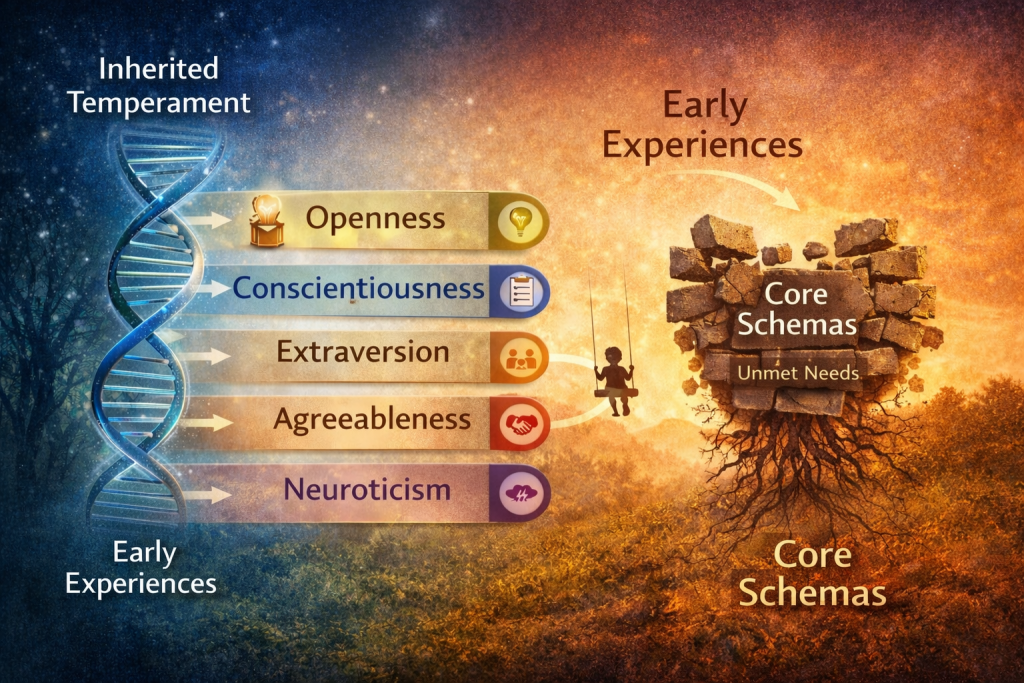
1. Biological Factors:
• Genetic predisposition or family history of mental health conditions.
• Brain structure or chemical imbalances, particularly in areas related to emotion regulation.
2. Environmental Factors:
• History of trauma, abuse, neglect, or abandonment during childhood.
• Unstable or invalidating family dynamics.
3. Psychological Factors:
• Difficulty in regulating emotions and coping with stress.
Common Misconceptions about BPD:
1. Myth: People with BPD are manipulative.
• Truth: Their behaviors are often unintentional and driven by overwhelming emotions or fear of abandonment.
2. Myth: BPD cannot be treated.
• Truth: While challenging, BPD is highly treatable, especially with therapies like DBT.
3. Myth: People with BPD are “difficult.”
• Truth: They experience intense emotional pain and need understanding and compassion.
Borderline Personality Disorder is a complex condition, but with the right treatment and support, individuals can lead meaningful and productive lives.
Treatment for BPD:
Treatment for Borderline Personality Disorder (BPD) is most effective when it integrates multiple evidence-based approaches that address the disorder’s complex emotional and relational challenges.
Dialectical Behaviour Therapy (DBT) provides a structured framework to help individuals regulate intense emotions, tolerate distress, and improve interpersonal effectiveness through skills training, mindfulness, and validation-based strategies.
Acceptance and Commitment Therapy (ACT) complements DBT by encouraging individuals to accept difficult emotions rather than fight them, clarify personal values, and commit to meaningful actions even in the presence of emotional pain, fostering psychological flexibility.
Internal Family Systems (IFS) adds a deeper layer of self-exploration, helping clients identify and understand the different “parts” of themselves—such as vulnerable, angry, or self-critical parts—and cultivate a compassionate, core “Self” that can lead internal healing.
Together, these therapies create a synergistic treatment approach: DBT addresses practical skills and emotional regulation, ACT supports acceptance and value-driven living, and IFS promotes self-compassion and integration of internal experiences, empowering individuals with BPD to build more stable relationships, a coherent sense of self, and sustainable emotional resilience.
Contact us if you want to know more about assessment or treatment for BPD.
Prepared by Dr. Jennifer Barbera, PhD, Registered Psychologist
Dr. Jennifer Barbera PhD, C. Psych is a licensed psychologist with over 25 years of counselling experience. She has extensive clinical expertise supporting individuals and couples with anxiety, trauma, depression, addiction, and relationship challenges. Her work combines evidence-based approaches with practical strategies to help clients build resilience and improve well-being.