
Proven Strategies for Managing Stress
Stress is a normal part of everyday life. However, when stress becomes chronic or unmanaged, it can significantly impact both mental and physical health. Learning how to manage stress effectively…

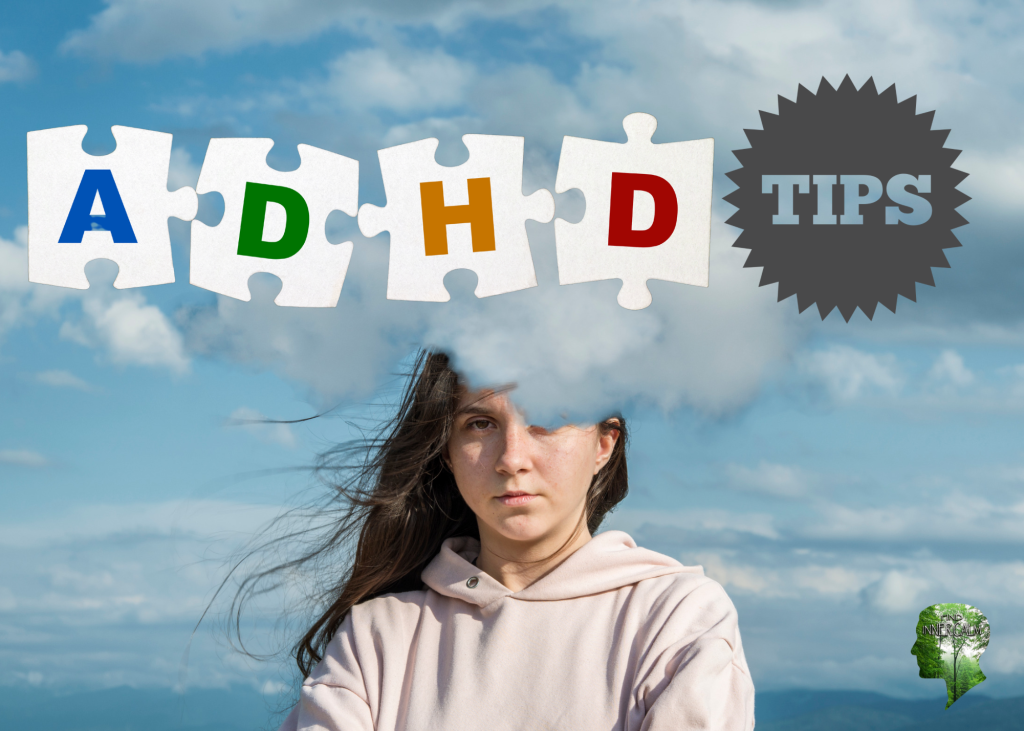
Managing ADHD: 15 Practical Tips for Focus, Productivity, and Daily Life
Attention Deficit Hyperactivity Disorder (ADHD) is a common neurodevelopmental condition that affects millions of people worldwide. It can present in a variety of ways, including difficulty focusing, impulsivity, restlessness, and challenges with organisation and time management. These symptoms can impact school, work, relationships, and overall well-being.
While managing ADHD can be challenging, with the right strategies, support, and tools, individuals with ADHD can thrive, improve daily functioning, and lead fulfilling, productive lives.
In this second part of a two-part blog series (the first post focused on identifying and understanding ADHD), we will share 15 evidence-based tips for managing ADHD. These strategies are designed to support executive functioning, improve focus, and reduce daily frustrations, helping both individuals with ADHD and their loved ones navigate the unique challenges of this condition.
1) Seek a Comprehensive Professional Diagnosis & Treatment Plan
Medication can be an essential component of ADHD management. Stimulant medications, such as methylphenidate and amphetamine-based drugs, are commonly prescribed to help improve focus and reduce impulsivity. Non-stimulant medications, like atomoxetine, may also be considered. It’s important to work closely with a healthcare provider to find the right medication and dosage that works best for you.
3) Behavioural Therapy
Behavioural therapy, such as Cognitive-Behavioral Therapy (CBT) or Behavioral Modification, can be highly effective in managing ADHD. These therapies focus on developing coping strategies, improving time management, and addressing impulsivity. A Cognitive-Behavioural Approach provides individuals with helpful tools to navigate their daily lives more effectively.
4) Educate Yourself and Loved Ones
Understanding ADHD is essential for individuals with the condition and their loved ones. Learning about ADHD helps demystify its symptoms and challenges.
Knowledge can help to foster empathy and reduce stigma. This knowledge will also provide insights into why certain behaviours occur and what strategies can most effectively manage them. The remainder of this article will cover some of those strategies.
5) Set Clear Realistic Goals and Priorities
One of the challenges for individuals with ADHD is maintaining focus and staying organized. Setting clear goals and priorities can help. Create daily to-do lists, set specific objectives, and break tasks into smaller, manageable steps. Prioritize broken-down steps based on importance and actual deadlines. This approach can reduce overwhelm and make it easier to stay on track and accomplish tasks.
6) Develop a Routine
Establishing a structured daily routine can be immensely beneficial for individuals with ADHD. A consistent schedule helps create a sense of predictability and stability, making it easier to stay organized and focused. Include specific times for activities like work, study, exercise, and relaxation in your daily plan.
7) Limit Distractions
Reducing distractions in your environment is crucial for managing ADHD. This may involve decluttering your workspace, turning off notifications on your devices, or using noise-cancelling headphones when necessary. Consider implementing website blockers and apps that help you stay focused on tasks. The fewer distractions you have to contend with, the easier it becomes to concentrate.
8) Use Time Management Tools
ADHD often leads to difficulties with time management. As a result, effective time management is crucial for managing ADHD. Techniques like the Pomodoro method, where you work in short, focused bursts with regular breaks, can be particularly helpful.
9) Use Apps Designed to Assist with Time Management
Because time management is vital for staying caught up and reducing overwhelm, don’t forget to use technology. People with ADHD can benefit from using digital calendars and reminders that assist in keeping track of appointments and deadlines.
Here is a specific list of Apps that can help you stay more organized and efficient: https://psychcentral.com/reviews/best-adhd-apps.
10) Regular Exercise
Physical activity has been shown to have a positive impact on ADHD symptoms (Rassovsky & Alfassi, 2019). Physical activity can help reduce impulsivity, improve focus, and boost mood.
Exercise improves executive functioning because exercise releases neurotransmitters like dopamine and norepinephrine, which can improve focus and mood. Incorporating regular exercise into your routine, whether it’s walking or jogging, sports, or practicing yoga, can be a natural way to help manage ADHD symptoms. If you do one more thing today, go for that daily walk!
11) Maintain a Balanced Diet
Nutrition plays a significant role in managing ADHD. Neutrino plays a key role because a balanced diet rich in essential nutrients is important for overall brain health. While there isn’t a specific ADHD diet, some general guidelines can be beneficial.
Focus on a balanced diet with plenty of fruits, vegetables, lean proteins, and whole grains. Avoid excessive sugar and processed foods, as they may exacerbate ADHD symptoms. Some people with ADHD may benefit from omega-3 fatty acids found in fish oil supplements.
12) Get Adequate Sleep
Getting enough sleep is crucial for everyone, but it’s especially important for individuals with ADHD. Lack of sleep can worsen symptoms like impulsivity and inattention. Many individuals with ADHD struggle with sleep disturbances, so establishing good sleep hygiene is vital.
Establish a consistent sleep routine, avoid caffeine and screens (and other stimulating activities) right before bedtime, and create a comfortable sleep environment to improve sleep quality.
For more tips on getting your best sleep, see our previous blog post.
13) Practice Mindfulness and Meditation
Mindfulness practices and meditation can help individuals with ADHD develop greater self-awareness and improve their ability to focus. Mindfulness & meditation practices help improve attention, impulse control, and emotional regulation.
Mindfulness techniques teach you to stay present and reduce the distractions that often plague those with ADHD. Regular mindfulness exercises, such as deep breathing and progressive muscle relaxation, can also reduce stress and enhance overall well-being.
For more tips on how to develop mindfulness skills, see our other blog post.
14) Create a Supportive Social Network
Building a solid support network is essential for managing ADHD. This network can include friends, family, support groups, and therapists. Clear communication with family, friends, and colleagues can help them better understand your needs and challenges. Having people who understand your challenges and can provide emotional support can make a significant difference in your overall well-being.
15) Join ADHD Support Groups
Connecting with others who have ADHD can provide valuable support and a sense of belonging. Joining local or online support groups allows you to share experiences, learn from others, and gain insights into effective coping strategies. These groups also offer a safe space to discuss challenges and successes.
16) ADHD Coaching
ADHD coaching is a specialized form of coaching that focuses on helping individuals with ADHD develop strategies and skills to manage their symptoms effectively. A trained ADHD coach can work with you to identify specific challenges and provide guidance on overcoming them.
17) Address Mood & Anxiety Concerns
Individuals with ADHD often have other co-occurring conditions such as depression, anxiety and trauma. Seeking counselling or therapy to assist with these other issues can help to improve your well-being, which can help you to better manage your ADHD symptoms.
Be sure to seek out someone who is knowledgeable about conditions such as depression and anxiety, but also ADHD. It is important to understand how these conditions affect each other and to be able to differentiate the effects of depression and anxiety from ADHD.
18) Embrace Your Strengths
ADHD is not just a collection of challenges; it comes with its own set of strengths, including creativity, hyperfocus, and adaptability. Embrace these strengths and find ways to leverage them to your advantage. Celebrate your achievements, no matter how small they may seem.
19) Be Patient and Kind to Yourself
Living with ADHD can be challenging, but it’s important to remember that progress takes time. Be patient with yourself and practice self-compassion. Celebrate your achievements, no matter how small, and don’t be too hard on yourself when setbacks occur. Surround yourself with people who uplift and support you on your ADHD management journey.
20) Limit online use or digital media
Some studies have found a strong link between higher frequency of modern digital media use and symptoms of ADHD (Ra et al., 2018).
If you are interested in learning more about issues with digital media see our other blog post.
21) Don’t Give Up
Managing ADHD is a lifelong journey, and there will be ups and downs. It’s essential not to get discouraged by setbacks. Instead, view them as opportunities for growth and learning. With persistence and a proactive approach, you can lead a fulfilling life despite the challenges of ADHD.
Take-Home Message:
Managing ADHD is a lifelong journey that requires patience, dedication, and a multifaceted approach. Each person with ADHD is unique, and what works for one individual may not work for another. It’s essential to work closely with healthcare professionals to develop a personalized ADHD management plan that suits your specific needs.
You can significantly improve your quality of life by seeking professional diagnosis and treatment, educating yourself and your support network, and implementing practical strategies. Remember that managing ADHD is a journey. With the right tools and support, individuals with ADHD can thrive, achieve their goals, and lead fulfilling lives.
Ready to take the next step in managing ADHD? Get in touch with us today and start building strategies that work for you.
By Clinical Psychologist Dr. Jennifer Barbera C. Psych
References;
Rassovsky Y, Alfassi T. Attention Improves During Physical Exercise in Individuals With ADHD. Front Psychol. 2019 Jan 9;9:2747. doi: 10.3389/fpsyg.2018.02747. PMID: 30687193; PMCID: PMC6333702.
Ra C.K, Cho, J, & Stone, M.D. Association of digital media Use with Subsequent Symptoms of Attention-Deficit/Hyperactivity Disorder Among Adolescents. JAMA Psychiatry. 2018; 320(3): 255-263.
Prepared by Dr. Jennifer Barbera, PhD, Registered Psychologist
Dr. Jennifer Barbera PhD, C. Psych is a licensed psychologist with over 25 years of counselling experience. She has extensive clinical expertise supporting individuals and couples with anxiety, trauma, depression, addiction, and relationship challenges. Her work combines evidence-based approaches with practical strategies to help clients build resilience and improve well-being.