What-causes-depression-understanding-the-roots-of-low-mood
What Causes Depression? Understanding the Many Pathways to Low Mood
Depression is not caused by a single factor. It develops through many possible pathways, often involving a combination of biological, psychological, relational, and environmental influences. This is why depression can look very different from one person to another and why what helps one person may not help another.
Understanding the underlying causes of depression is essential for effective treatment. Without careful assessment, therapy can focus on surface symptoms while missing the deeper drivers that keep low mood in place.
Biological and Health-Related Factors
Depression can be influenced by a range of biological and health-related factors. These may include:
• Chronic illness or pain
• Hormonal changes
• Sleep disorders
• Neurological conditions
• Genetic vulnerability
• Inflammation or other physiological stressors
Certain medications and substances can also contribute to or worsen depressive symptoms. This includes some prescription medications, alcohol, cannabis, and other substances that affect mood, energy, or motivation. In these cases, addressing depression may require coordination with medical care alongside therapy. Addressing any addictions may also be important.
Lifestyle Factors: Ways we Live Can Either Hinder or Improve well-being
Depression can be caused by lifestyle factors such as excessive working and stress, and poor self-care routines. It can be important to consider the following factors:
- Getting adequate and restful sleep
- Having a reasonable diet that limits processed foods and sugars
- Having adequate work-life balance
- Getting adequate exercise and meaningful activity
Psychological Factors: Self-Worth and Core Beliefs
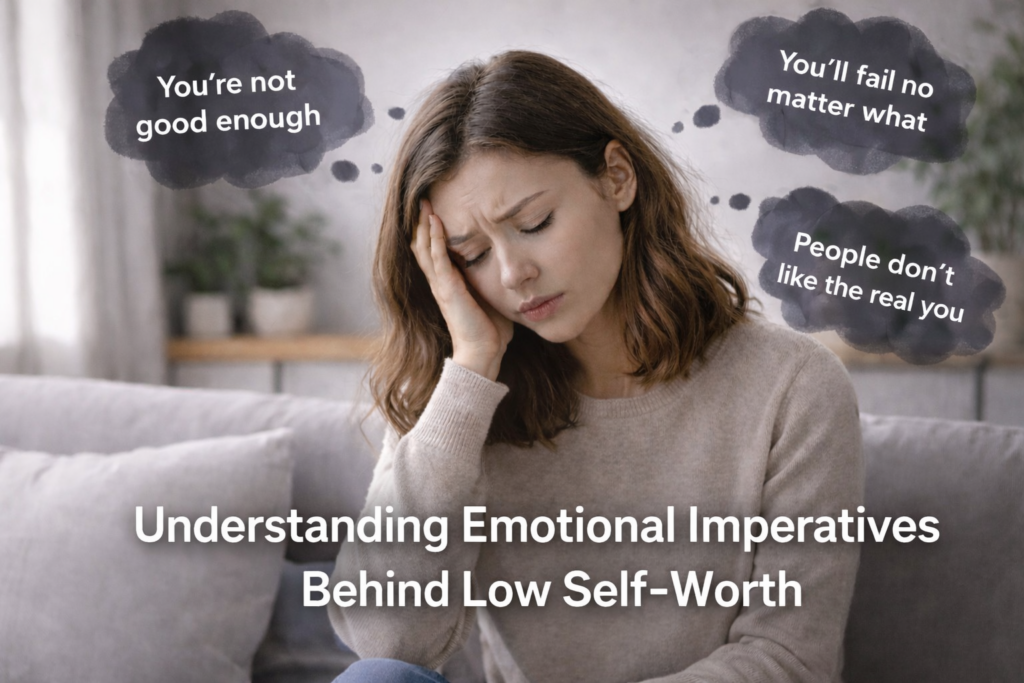
Low self-worth and deeply held core beliefs play a major role in many forms of depression. Beliefs such as “I am not enough,” “I don’t matter,” or “Nothing I do will work out” can powerfully reinforce low mood over time.
These beliefs often develop early in life through repeated experiences of criticism, emotional neglect, failure, or invalidation. Once formed, they shape how people interpret events, relationships, and setbacks, creating a cycle that maintains depression even when circumstances improve.
Relationships, Loneliness, and Ongoing Conflict
Human beings are wired for connection. Chronic loneliness, relationship conflict, emotional disconnection, or lack of support can all contribute to depression. This includes:
• Feeling unseen or unvalued in close relationships
• Repeated relational ruptures or losses
• Living in environments marked by conflict or emotional unpredictability
• Long-term isolation or lack of meaningful connection
Depression in these cases is often a response to unmet attachment needs rather than an internal flaw.
Trauma and Unresolved Emotional Injury
Unresolved trauma is a significant contributor to depression for many people. Trauma does not always involve a single catastrophic event. It can also include long-term emotional neglect, chronic invalidation, relational betrayal, or repeated experiences of helplessness.
Depression may develop as a form of emotional shutdown or collapse when the nervous system has been overwhelmed for too long. In these cases, low mood is not the core problem, but rather a signal that deeper emotional processing is needed.
Other Mental Health Conditions That Lead to Depression
Depression frequently develops alongside or as a result of other mental health conditions. Anxiety disorders, in particular, can lead to depression when worry, hypervigilance, and fear become exhausting and unrelenting.
Living in a constant state of threat, self-monitoring, or avoidance can eventually drain emotional and physical resources, leading to hopelessness and low mood. Similarly, conditions such as ADHD, obsessive-compulsive patterns, or trauma-related responses can indirectly contribute to depression if their impact is not adequately addressed.
Living Out of Alignment with Values or Needs
Depression can also arise when people live for extended periods in ways that are deeply misaligned with their values, needs, or authentic desires. This might include:
• Staying in unfulfilling or unsafe relationships
• Working in environments that conflict with personal values
• Suppressing important parts of the self to meet external expectations
• Living on autopilot with little sense of meaning or direction
Over time, this disconnection from what matters can lead to emptiness, loss of motivation, and low mood.
Prolonged Stress and Burnout
Chronic stress and burnout are common but often overlooked contributors to depression. When demands consistently exceed capacity, the nervous system may shift into a state of shutdown or collapse.
Burnout-related depression is not a failure of resilience. It is a predictable response to prolonged overload without adequate rest, support, or recovery. Treating this form of depression requires addressing both internal patterns and external stressors.
Why Skilled Assessment Matters
Because depression has so many possible causes, skilled assessment is essential. Two people may meet criteria for depression but require very different treatment approaches. Without understanding what is driving the low mood, therapy risks being generic or ineffective.
A thorough assessment helps identify:
• Contributing biological or medical factors
• Underlying beliefs or schemas
• Trauma history or attachment patterns
• Co-occurring mental health conditions
• Relational and environmental stressors
• Misalignment with values or needs
This clarity allows treatment to be targeted, evidence-based, and responsive to the person rather than the label.
Depression Is Not One-Size-Fits-All
Depression is not a single disorder with a single solution. It is a complex experience shaped by each person’s history, biology, relationships, and current context.
Effective therapy starts with understanding why depression developed and what is maintaining it. When treatment addresses the underlying causes rather than just the symptoms, meaningful and lasting improvement becomes possible. Contact us today.
References
Kendler, K. S., Karkowski, L. M., & Prescott, C. A. (1999). Causal relationship between stressful life events and the onset of major depression. American Journal of Psychiatry, 156(6), 837–841. https://doi.org/10.1176/ajp.156.6.837
Monroe, S. M., & Simons, A. D. (1991). Diathesis–stress theories in the context of life stress research: Implications for the depressive disorders. Psychological Bulletin, 110(3), 406–425. https://doi.org/10.1037/0033-2909.110.3.406
Otte, C., Gold, S. M., Penninx, B. W., Pariante, C. M., Etkin, A., Fava, M., Mohr, D. C., & Schatzberg, A. F. (2016). Major depressive disorder. Nature Reviews Disease Primers, 2, 16065. https://doi.org/10.1038/nrdp.2016.65
Prepared by Dr. Jennifer Barbera, PhD, Registered Psychologist
Dr. Jennifer Barbera PhD, C. Psych is a licensed psychologist with over 25 years of counselling experience. She has extensive clinical expertise supporting individuals and couples with anxiety, trauma, depression, addiction, and relationship challenges. Her work combines evidence-based approaches with practical strategies to help clients build resilience and improve well-being.