Difficulty Concentrating: Assessing for ADHD and When to Seek Help Do you often find it hard to stay focused on tasks, even when you want to concentrate? Occasional lapses in…
The Mind-Body Connection: How Psychological Distress Can Contribute to Chronic Pain When your stomach aches, you might visit a gastrointestinal specialist. When back pain strikes, a chiropractor or physiotherapist may…
How to Get Your Teen to Listen: Building Stronger Connections Getting your teen to listen starts with building a closer, more trusting connection. Adolescence is a time of rapid growth…
Trauma Resources: Trauma refers to the lasting emotional, psychological, and physiological effects of experiences that overwhelm a person’s capacity to cope. Trauma can arise from many sources—single incidents, ongoing relational…
What Does Loss of Interest or Pleasure Mean? Loss of interest or pleasure, often referred to as anhedonia, is a core symptom of depression and related mental health concerns. It…
Emotion-Focused Therapy (EFT) for couples is an evidence-based, humanistic, and experiential approach that emphasizes attachment and emotion to address destructive relationship patterns (Johnson, 2004). While EFT was not originally developed…
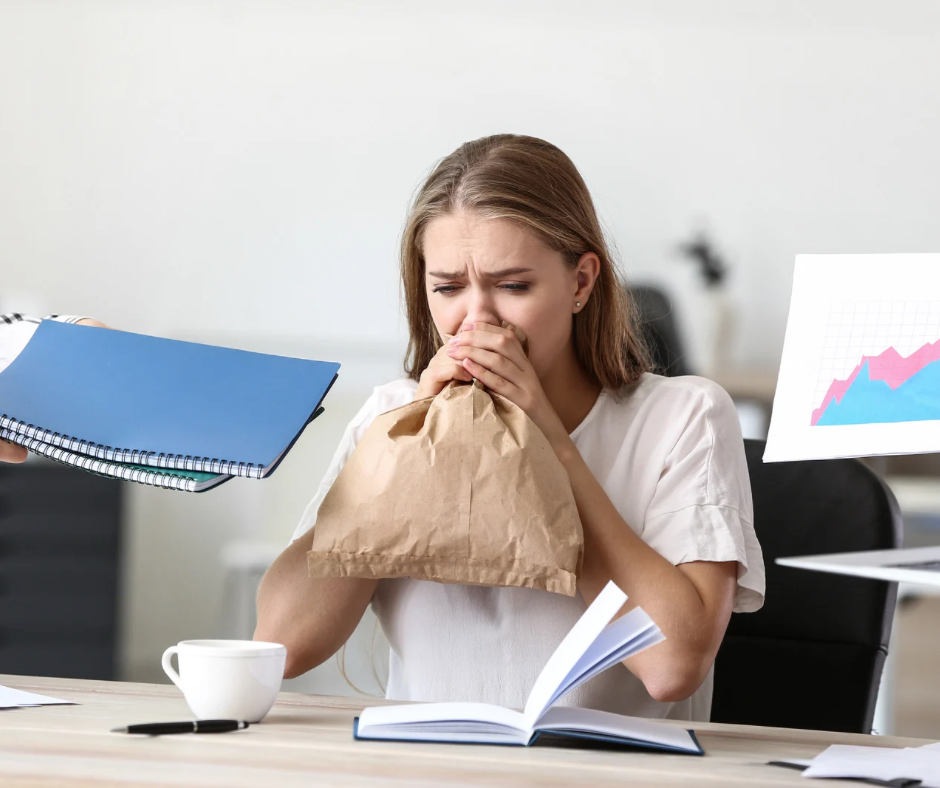
Understanding Panic Disorder: How It Develops, What Maintains It, and How Therapy Can Help Panic disorder involves recurrent, unexpected panic attacks and an ongoing fear of having more. A panic…
Single-Incident Trauma: Healing After Accidents, Assaults, Medical Events, or Exposure to Serious Injury Trauma does not always come from long-term or repeated harm. Sometimes a single overwhelming event can disrupt…
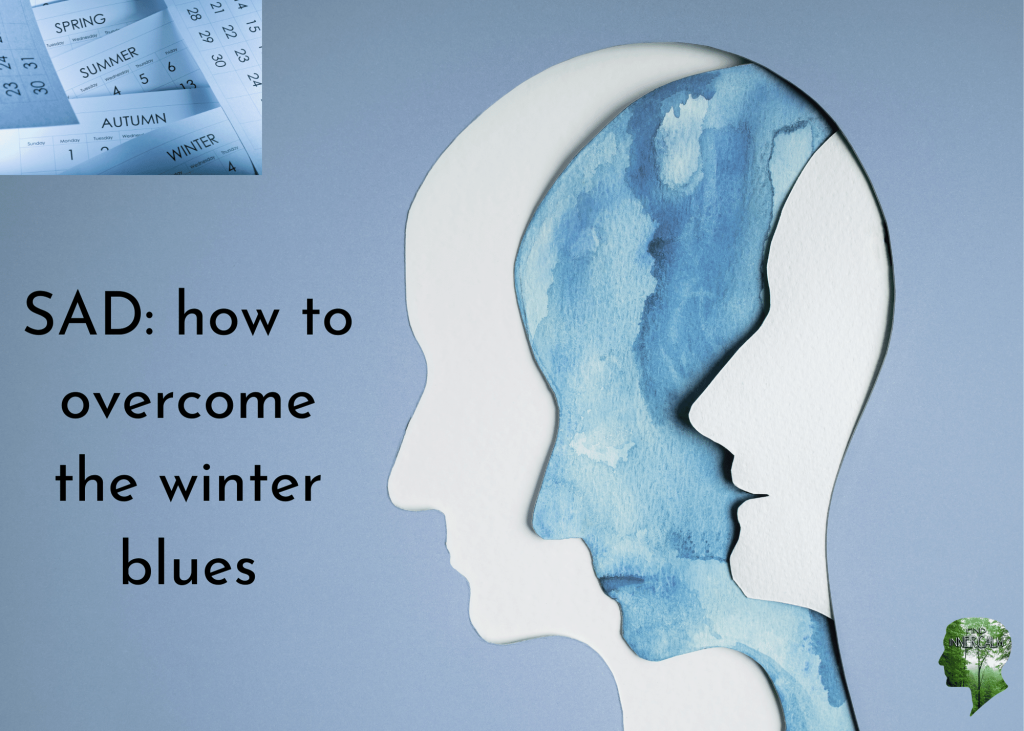
Seasonal Affective Disorder (SAD): Understanding Winter Depression Do you notice your mood dropping as the days get shorter and the temperature falls? You are not alone. Many Canadians experience changes…
A Series on Improving Your Relationship – Part 2B Struggling with avoidance, overthinking, or emotional distance in your relationship? Learn psychologist-approved strategies to build lasting connection. In Part 2A, we…